REVIEW · LORI PROVINCE
Scenic Trail Rides
Book on Viator →Operated by Lori Canyon Equestrian · Bookable on Viator
A ride that starts at Lake Tsover quickly turns into a countryside history lesson on horseback. You’ll ride local horses toward the eastern rim of the Debed Canyon, meet medieval cross-stones and a watchtower, then visit the St. Gregory Monastery area and end with time in Dsegh. I especially like how the route keeps things easy while still delivering real mountain-and-canyon views, and I also love that lunch is handled for you in a rural garden setting. One thing to consider: this is active time in the saddle (with a weight limit of 110 kg / 240 lbs), so you’ll want to be comfortable riding for hours and following the pace set by your guide, like Saro.
If you want a countryside day that feels more like local travel than a museum circuit, this works well. The guide brings the sights to life with practical commentary about what you’re seeing, including details around Sirun Khach (Beautiful Cross) and the medieval cross-stones along the trail. Your group stays small (2–12), and the tour uses an air-conditioned vehicle for transport, so the day doesn’t drag.
In This Review
- Why This Horse Ride Feels Worth Your Time
- Key Things I’d Prioritize Before Booking
- From Dsegh to Lake Tsover: The Start That Sets the Tone
- The Ride Across Pasturelands and Medieval Cross-Stones
- Pace and effort level: “Easy” doesn’t mean “no work”
- Optional Wooded Walk to St. Gregory Monastery
- What I like about pairing riding with a walk
- Cantering Toward Dsegh: A Change of Tempo
- Hovhannes Tumanyan House-Museum: Armenia Through a Poet’s Lens
- Quick tip for enjoyment
- The Mamikonyan Cemetery: A Medieval Footnote You’ll Feel
- Picnic Lunch With Local Berry Juice
- Transport and Group Size: How Logistics Affect Your Day
- Horses, Safety, and Comfort: What You Should Check
- What This Tour Costs (and Why It’s Not Just a Ticket)
- Who Should Book This Horse Ride
- Who Might Want to Skip or Adjust
- Should You Book Scenic Trail Rides in Armenia?
- FAQ
- Where does the tour start and end?
- Is hotel pickup available?
- How long is the experience?
- How big are the groups?
- Is this a private tour?
- What language is the tour offered in?
- Is lunch included, and what is it like?
- Do I need prior horse riding experience?
- Is the ride difficult?
- Are there weight limits for the horses?
Why This Horse Ride Feels Worth Your Time
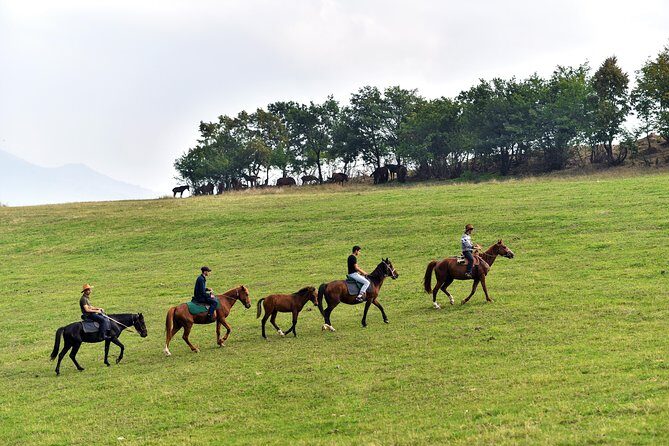
This experience mixes outdoors, culture, and a calm pace without pretending you’ll cover everything. You’ll start with coffee and fresh local fruits, ride through pasturelands and hillside forests, then add two key cultural stops that anchor the ride in Armenian place and story. For the price point, the big value is that you get transport + guide + lunch folded in, instead of budgeting for each item separately.
If you’re traveling in Lori Province and want a memorable half-day with a low-pressure hiking feel, it’s a strong pick. Just read the physical limits and plan for moderate saddle time.
Key Things I’d Prioritize Before Booking
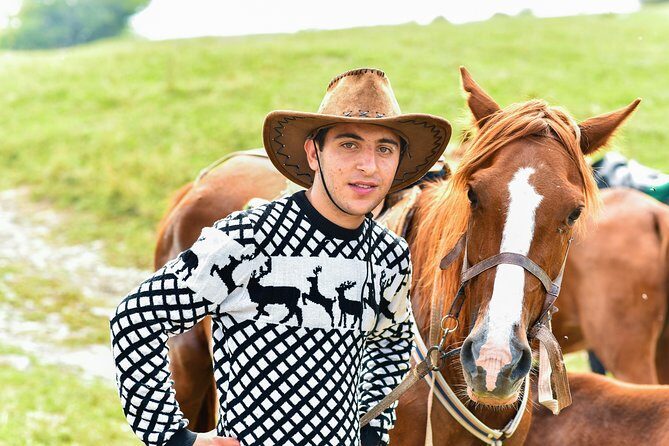
- Local horses and an easy ride pace: You’re not doing technical riding, but you’ll still be in the saddle for meaningful stretches.
- Medieval sights you can actually reach on horseback: cross-stones like Sirun Khach, a watchtower, and the St. Gregory Monastery area.
- The Debed Canyon viewpoints: you get wide, dramatic perspectives from the eastern rim as you ride.
- Lunch in rural gardens: picnic-style meal plus juice made from local berries.
- Small group size (2–12) with a guide: easier timing, more personalized attention, and you won’t feel lost in a crowd.
- Optional one-hour wooded walk: a nice choice if you want a break from only riding.
From Dsegh to Lake Tsover: The Start That Sets the Tone
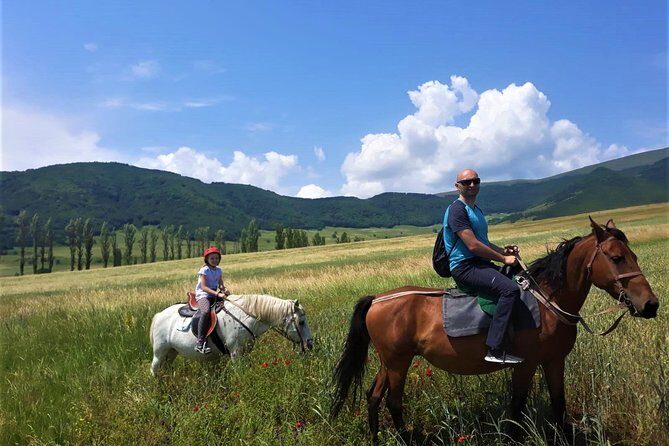
Your day begins back in Dsegh, Armenia, with pickup available from hotels in Lori Province. Once you connect with the group, you head to the trail area above the village where Lake Tsover sits on the upper hillside. The welcome isn’t fancy, but it’s thoughtful: coffee and fresh local fruits before you mount up.
This early moment matters because it’s when the day “clicks” into place. You’re not rushing straight into riding, and you’re able to get oriented before the route starts moving across pastureland. It also helps if you’re a bit nervous at first—having a buffer with food and coffee makes the first climb feel less abrupt.
The Ride Across Pasturelands and Medieval Cross-Stones
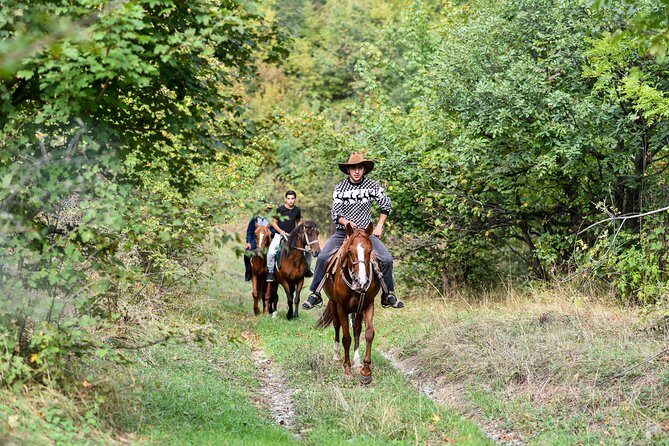
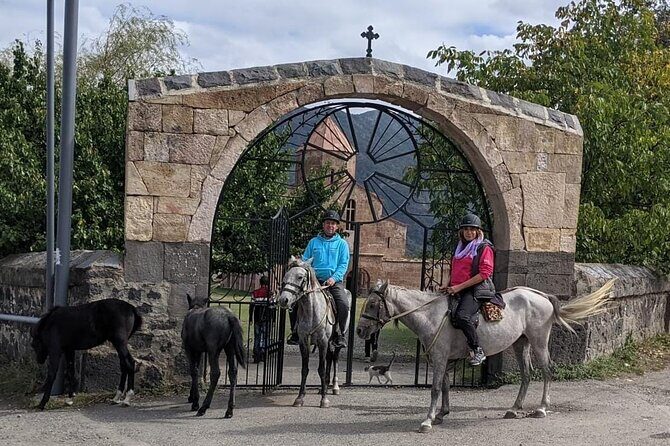
Once you’re mounted, the trail leads you through pasturelands toward the eastern rim of the Debed Canyon. This is where the ride becomes more than a transfer between sights. You’ll spot medieval features along the way, including a watchtower and numerous medieval cross-stones.
One name worth remembering here is Sirun Khach (Beautiful Cross), which won second prize at a Paris competition in 1970. That kind of detail gives you a quick sense of scale: these aren’t random roadside markers. They’re part of a recognized Armenian tradition, and the guide can point out why these stone crosses are culturally important.
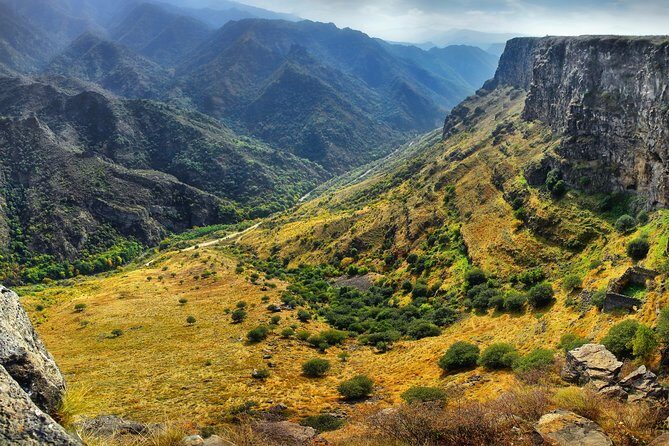
Along this portion, your view expands over the Marts River Gorge. Even on an easy-paced itinerary, canyon edges naturally slow people down. You’ll have moments where the group quiets, because the scenery does what words can’t.
Pace and effort level: “Easy” doesn’t mean “no work”
The ride is classified as easy, and you’ll be moving along a round-trip route of about 12.5 km (9.5 mi) total. Still, you’ll want to plan as if it’s a real outdoor activity. Think of this as moderate saddle time, not a stroller stroll.
If you’re within the weight limit (110 kg / 240 lbs) and you have a moderate fitness level, you should be fine. If you know you struggle with long periods in a seat, you might want to mentally pace yourself from the first hour.
Optional Wooded Walk to St. Gregory Monastery
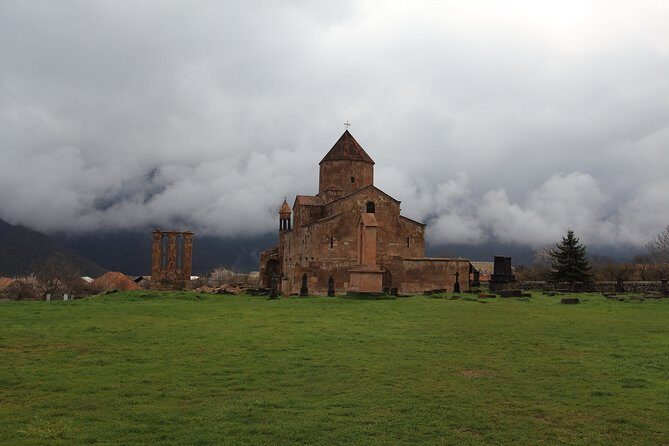
At a certain point, you’re offered an optional one-hour walk through a wooded path to the St. Gregory Monastery. This is smart planning on the operator’s side, because it lets you customize your day. If you want more fresh air and a slower rhythm, you take the walk. If you’d rather stick to riding the whole time, you can keep going by trail.
St. Gregory Monastery dates from the 12th–13th cc., which gives it the feel of a true medieval anchor. You’re not just passing by the idea of history—you’re stepping into a place that’s still clearly a place, with age you can feel in the setting.
What I like about pairing riding with a walk
A walk here breaks the day into two moods: moving views while riding, then a calmer moment at the monastery. You also get variety in scenery—pasture edges and canyon overlooks first, then wood and stone. It keeps the experience from turning into one long stretch of the same visual pattern.
Cantering Toward Dsegh: A Change of Tempo
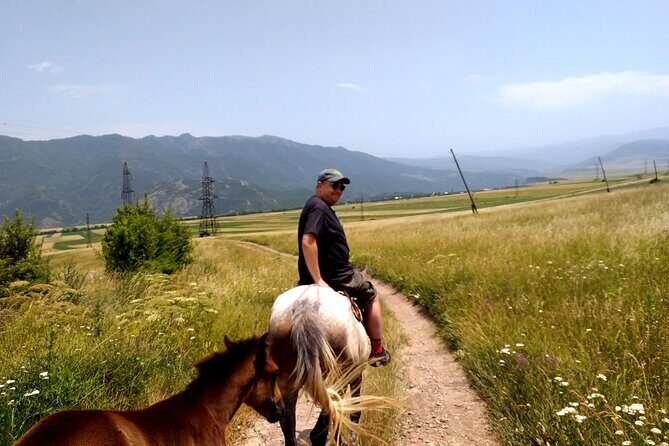
After the monastery time, the route shifts again. You’ll do some cantering toward Dsegh village, which is one of those moments that changes your pulse. This doesn’t turn into a wild ride, but it’s clearly a step up from the earlier easy movement.
For first-timers, this is where having an experienced guide matters. Guides are responsible for keeping the group aligned on pace and safety, especially when riders have different comfort levels. In the feedback you can feel this: the guide Saro is repeatedly singled out for kindness and historical knowledge, and that blend is exactly what you want when the tempo picks up.
Hovhannes Tumanyan House-Museum: Armenia Through a Poet’s Lens
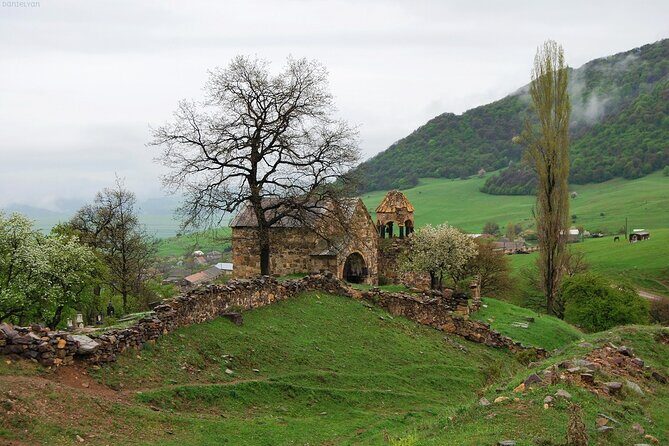
The next major stop is the House-Museum of Hovhannes Tumanyan. If you only know Armenia through churches and stone crosses, this adds a human scale. Tumanyan is a prominent Armenian poet, and the house-museum is presented as an early 19th-century Armenian peasant home.
For your visit, the value is in what the setting communicates. A home like this helps you understand daily life, not only big events and monuments. It’s a different kind of learning, and it fits well after the monastery. You move from medieval religious space into an intimate cultural landscape—still meaningful, just a different angle.
Quick tip for enjoyment
Give yourself time to look slowly at details. In a house-museum type stop, the best moments are often the small ones: textures, layout, and what the space suggests about everyday routines.
The Mamikonyan Cemetery: A Medieval Footnote You’ll Feel
Nearby the poet house-museum area, you can also see the 10th–12th-century cemetery of the Mamikonyan princely family. This isn’t framed as a long museum stop. It works more like a solemn add-on that deepens the day’s medieval theme.
If you like understanding how different eras layer into one place, this part is a quiet win. You get the idea that the landscape around Dsegh isn’t only scenic—it has written history in stone and soil.
Picnic Lunch With Local Berry Juice
Lunch is included, and it’s served as a picnic in rural gardens. You’ll get the meal plus juice made from local berries. This matters for two reasons.
First, it saves you from trying to find food on your own between monuments. Second, the garden setting fits the day. You’re eating in a countryside environment that matches the ride, instead of forcing the tour to end in a generic restaurant box.
If you’re sensitive to timing, this is also helpful: the tour is designed as a 4-hour experience (approx.), so you’re not stuck waiting around for long stretches before or after lunch.
Transport and Group Size: How Logistics Affect Your Day
The tour includes transportation in an air-conditioned vehicle inside the region. That’s not a small detail in Armenia. Hot afternoons and long transfers can drain energy, and having the main driving managed lets you focus on the riding and stops.
The group size stays 2–12, and it’s offered as a private tour/activity—only your group participates. That combination is great for comfort and pacing. With a smaller group, guides can manage horse timing and keep the experience feeling calm rather than rushed.
You also get mobile ticketing, and the tour is offered in English.
Horses, Safety, and Comfort: What You Should Check
The horses are described as local, and the tour can include an optional introductory horse riding lesson. That’s a practical advantage if you’ve never mounted a horse or you’re unsure how you’ll feel in the saddle.
There’s also a clear weight limit: 110 kg (240 lbs). If you’re above it, this isn’t the right option. Service animals are allowed, and the tour asks for moderate physical fitness level.
Trip type is round trip, and you’ll return back to the lakefront area at the end. Your trailhead begins at the Lake Tsover hillside, which makes the whole route feel like a loop through the area instead of a one-way transfer.
What This Tour Costs (and Why It’s Not Just a Ticket)
The price is $70 per person for about 4 hours. On its own, that might sound like a simple excursion. The value becomes clearer when you count what’s included: lunch, guide service, and transportation in an air-conditioned vehicle.
You’re not just paying for the horseback component. You’re paying for someone to handle timing, route flow, and on-the-ground interpretation at multiple stops. For Lori Province, where you might otherwise need separate planning for a ride, food, and transfers, this bundled approach is what makes the cost feel fair.
Still, it’s not a budget backpacker situation. This is a paid guided activity. If you’re trying to keep every cost low, you might compare it to independent car+driver plans. But if you want the work done for you and a knowledgeable guide leading the day, it’s a straightforward deal.
Who Should Book This Horse Ride
I think this fits best if you:
- Want a countryside Armenian day that includes history and scenery without intense hiking
- Like the idea of seeing medieval cross-stones and monuments from horseback
- Prefer a small group and a guide who can explain what you’re looking at
- Are comfortable with moderate physical activity and staying in the saddle for part of the day
It’s also a good pick for couples or small groups who want privacy. And if you’ve got some curiosity about Armenian culture beyond just church interiors—Tumanyan’s home and the cemetery add welcome balance.
Who Might Want to Skip or Adjust
This tour may not suit you if you:
- Need very low effort, since riding time is a core part of the experience
- Don’t meet the weight limit of 110 kg / 240 lbs
- Are looking for a long, detailed walking-only exploration instead of a ride + short walk option
Also note that the experience is weather dependent. If conditions are poor, you may be offered a different date or a full refund.
Should You Book Scenic Trail Rides in Armenia?
If you’re the type of traveler who loves being outside and you enjoy history that comes with place and movement, I’d book it. The combination of Lake Tsover, canyon views, medieval cross-stones like Sirun Khach, and the St. Gregory monastery area gives you a full-feeling day for the time.
My main reason to recommend it is the practical blend: guide service you can trust, lunch handled in a way that matches the setting, and transport taken care of. If you want a guided day that feels authentic and not overly complicated, this is a smart use of your time in Armenia’s Lori Province.
FAQ
Where does the tour start and end?
The tour starts in Dsegh, Armenia, and it ends back at the same meeting point.
Is hotel pickup available?
Yes. Pickup is available from hotels in Lori Province.
How long is the experience?
It’s listed as about 4 hours.
How big are the groups?
Group size is typically 2–12 people.
Is this a private tour?
Yes. It’s a private tour/activity, and only your group participates.
What language is the tour offered in?
The tour is offered in English.
Is lunch included, and what is it like?
Lunch is included as a picnic in rural gardens, with juice made of local berries.
Do I need prior horse riding experience?
No prior experience is required. There is an optional introductory horse riding lesson.
Is the ride difficult?
The pace is described as easy, and it’s best for travelers with moderate physical fitness.
Are there weight limits for the horses?
Yes. The weight limit is 110 kg (240 lbs).