REVIEW · YEREVAN
Armenian Spiritual Tour Discovering Sacred Sites and Cultural
Book on Viator →Operated by Envoy Tours · Bookable on Viator
If you want Armenia’s Christianity story in one long, well-run outing, this tour is a smart pick. You start with 7th-century Saint Hripsime and move through Etchmiadzin, Khor Virap, Noravank, and finally Areni, with a lot of meaning packed into a day that still feels human.
What I like most is how the sites link together as a timeline you can actually picture. I also enjoy the lunch with a local family, because it turns the day from sightseeing into real contact with everyday Armenian hospitality. One thing to consider: the day runs about 9 to 10 hours, and you’ll be doing some walking (including getting down into Khor Virap’s dungeon area), so wear comfy shoes and plan for a moderate pace.
In This Review
- Key highlights worth planning for
- Entering Armenia’s early-Christian world at Saint Hripsime
- Etchmiadzin Cathedral: why this is the mother church
- Khor Virap and the Ararat view that changes the mood
- Pokr Vedi: local craft, real food, and community support
- Noravank Monastery and Gnishik Canyon’s red stone drama
- Areni wine tasting: the ancient grape behind your glass
- The agricultural province drive: a quieter kind of Armenia
- Small group size, good guiding, and why that matters
- What the $62 price really covers
- Who this spiritual day trip suits best
- Before you book: small planning tips that pay off
- Should you book this tour of sacred sites and Areni wine?
- FAQ
- How long is the Armenia spiritual tour?
- Where does the tour start in Yerevan?
- What time does the tour start?
- Is the tour offered in English?
- What is included in the price?
- Are admission tickets included for the sacred sites?
- How many people are in a group?
- Is there any wine tasting on the tour?
- Is there a limit on physical fitness?
- Can I cancel for free?
Key highlights worth planning for
- UNESCO church-to-church storytelling that connects martyrs, cathedrals, and monastic life
- Khor Virap’s Mt. Ararat views paired with the dramatic setting of Saint Gregory’s 13-year imprisonment
- Noravank Monastery’s unusual architecture and the Gnishik Canyon viewpoint experience
- Areni wine tasting tied to an ancient grape tradition going back thousands of years
- Home-style lunch experience where you eat with local people, not in a tourist factory
Entering Armenia’s early-Christian world at Saint Hripsime
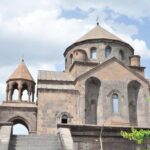
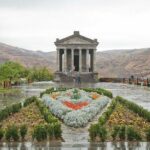
Saint Hripsime Church is the kind of stop that makes you slow down without trying. This 7th-century Armenian cathedral sits on the spot where Saint Hripsime was martyred, and that detail changes how you look at the building. It’s one of the oldest surviving churches in Armenia, and it’s listed as a UNESCO World Heritage site, so you’re not just seeing a church—you’re stepping into a key chapter of early Armenian Christian identity.
The best part is that the spiritual story isn’t treated like a footnote. You’ll hear the tragic history of Saint Hripsime and how one person’s martyrdom shaped the meaning of the site. Admission is free here, so you can focus on the experience rather than thinking about what you still need to pay for.
Practical tip: this is an early anchor point. If you’re sensitive to cold or heat, dress in layers—church interiors can feel cooler than outside.
You can also read our reviews of more tours and experiences in Yerevan.
Etchmiadzin Cathedral: why this is the mother church
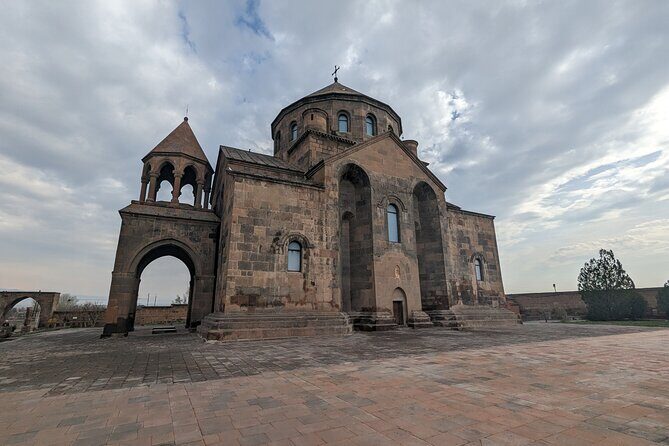
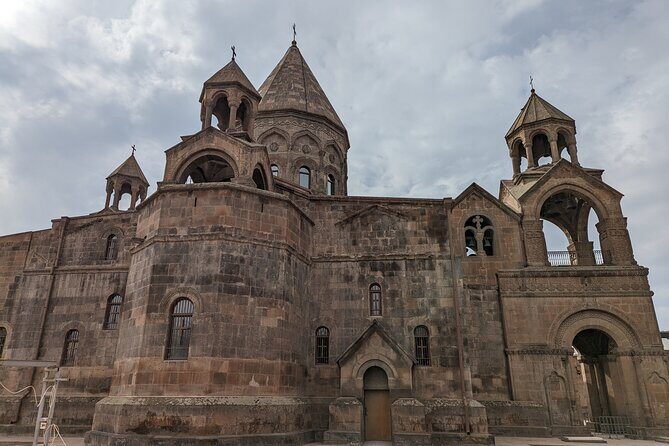
From Hripsime you head to Etchmiadzin, Armenia’s spiritual center. The Etchmiadzin Cathedral was built in the 4th to 5th centuries and functions as the mother church of the Armenian Apostolic Church. It’s often regarded as the oldest cathedral in the world, and it’s also a UNESCO World Heritage site.
What I love here is the breadth of what you’re seeing in a small area. In the cathedral’s grounds you’ll find the seat of the Catholicos, the head of the Armenian Apostolic Church. You’ll also see that the complex is tied to education—there’s the oldest university in Armenia within the grounds as well. So it’s not only faith and architecture; it’s faith plus institutions that shaped Armenian life over centuries.
Timing matters too. This stop gives you enough time to take in the scale and then absorb the context the guide is sharing, rather than rushing through as if the day were only checkboxes.
Khor Virap and the Ararat view that changes the mood
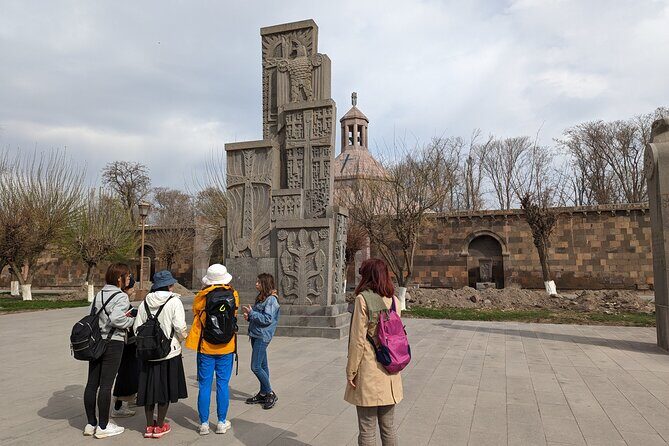
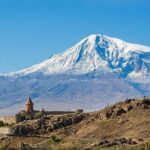
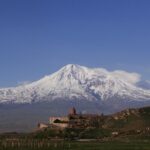
Khor Virap is famous for the view of Mt. Ararat, and it’s one of those places where the scenery and the spiritual story meet in a believable way. When you get up to the monastery, Ararat isn’t just a pretty backdrop—it becomes part of why the site feels powerful.
Then comes the part that makes Khor Virap unforgettable: you descend to experience the dungeon pit of Saint Gregory the Illuminator, who spent 13 years in captivity. The tour doesn’t treat this as spooky entertainment. You learn how Saint Gregory’s story connects to the wider conversion of Armenia to Christianity. It’s a personal narrative of endurance, not just a political footnote.
You should plan for moderate movement. The descent into the dungeon area is the type of spot where you’ll want stable footing and a steady pace. If you have mobility limits, you’ll want to think carefully before booking, since the setting is physical by nature.
Pokr Vedi: local craft, real food, and community support
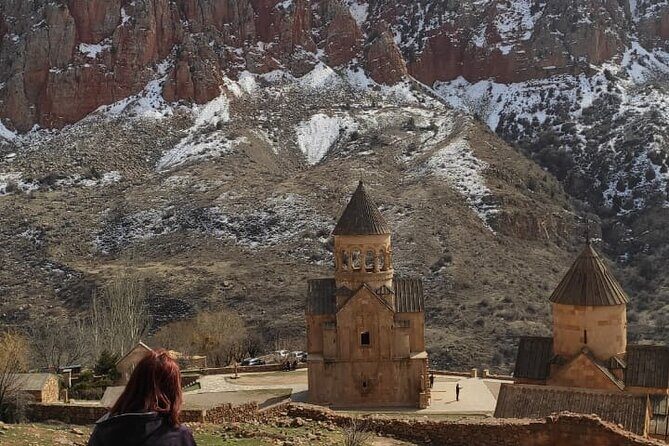
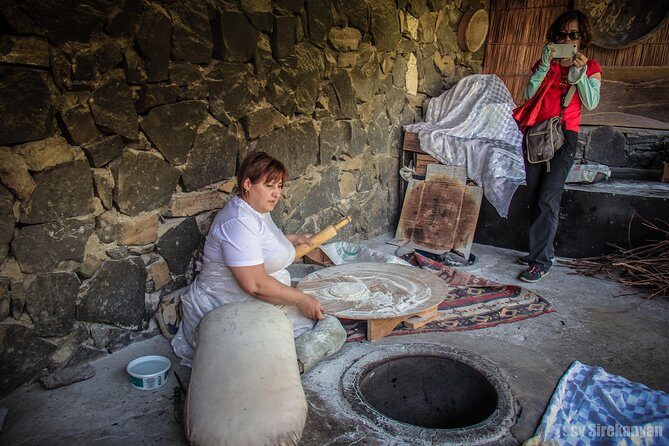
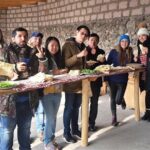
Pokr Vedi is where the tour shifts from monumental history to daily life. In Khor Virap village, you visit a local artisan, and then you enjoy a homemade lunch with a hospitable family. This is one of those parts of Armenia tours that often gets skipped or done too quickly, but here it’s built into the day as a genuine break.
You’re not just eating. The meal works like a reset button: it gives you time to talk, ask questions, and connect with the people behind the region. Lunch dietary requirements are taken into consideration, which matters because it’s easy to arrive hungry when you’re moving from site to site all day.
If you’re the kind of traveler who likes to understand how places are lived in, this stop delivers. If you only want churches and photos, you might find yourself wishing for more time at the monasteries—but honestly, the lunch is the human thread tying the spiritual sites to modern life.
Noravank Monastery and Gnishik Canyon’s red stone drama
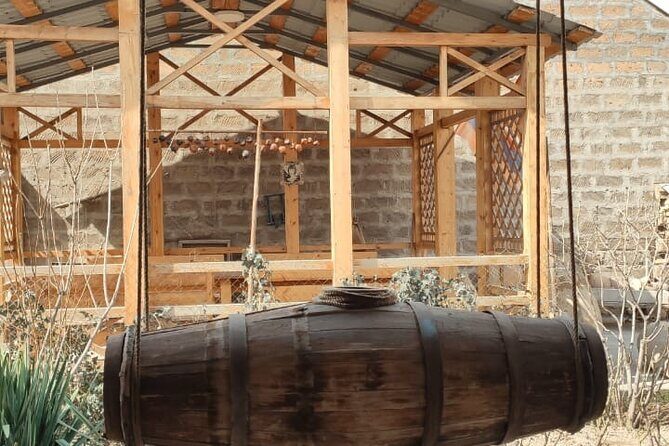
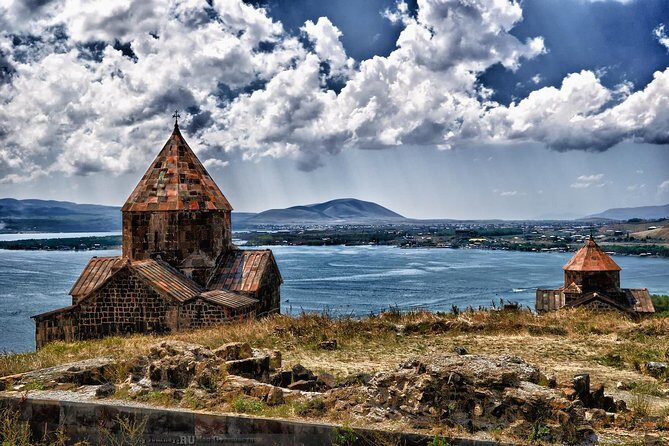
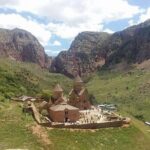
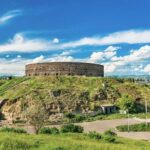
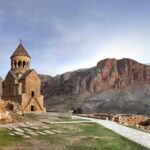
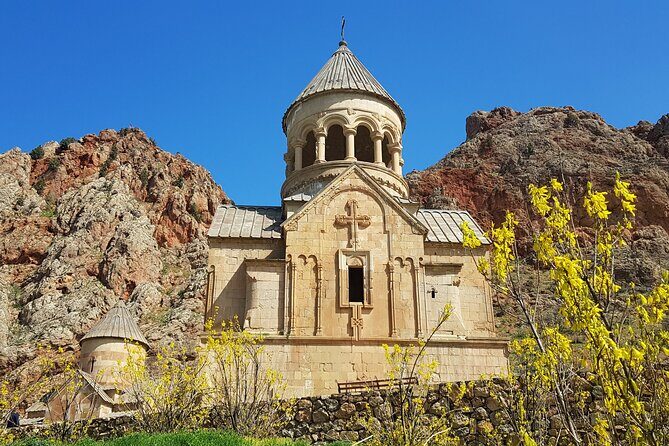
Noravank Monastery is often the highlight for travelers who like architecture with character. It dates to the 13th and 14th centuries and is one of the most special monastic complexes in Armenia. The setting helps: on the way, you get a view of Gnishik Canyon, with its red rock cliffs and peaks—people connect it to the idea of a Grand Canyon style of scale, even if it’s distinctly Armenian.
Noravank itself has two-story design elements and an open dome, which is a rare combination to see in a single monastic complex. The guide’s stories matter here. You learn the romantic story of Momik, the architect associated with Noravank, and you hear about the stonework heritage that made the place what it is.
Possible drawback: because Noravank’s setting is visually strong, you may find it hard to stop photographing. That can make time feel tighter. If you’re serious about photos, arrive mentally ready to pick your angles early and then take a second pass after the first rush of sightseeing.
Areni wine tasting: the ancient grape behind your glass
After monasteries and cathedrals, Areni is the change of pace that still fits the theme of the day. The local story here is about winemaking tradition—people in Areni have been making wine since the 4th millennium BC using the Areni grape. The key detail is that the tradition has lasted for millennia, and you get to sample local homemade wine from a traditional wine cellar.
You’ll also do a proper wine tasting as part of the tour, which is included. I like this stop because it doesn’t feel like a random add-on. It’s about continuity: ancient grape, long practice, and a community that still makes wine the way generations have.
Practical note: because you’ll be driving afterward, keep your tasting small. The goal is to experience it, not to overdo it.
The agricultural province drive: a quieter kind of Armenia
Between major sites, the tour includes time driving through the provinces known for producing a large share of Armenia’s agricultural products. This isn’t a high-drama stop, but it’s useful. It helps you understand what the country looks like beyond stone churches—how people live, farm, and feed communities.
You also get a gentle buffer between the more intense spiritual stops. That matters because the day is packed, and you’ll feel better if you take the drive time as downtime rather than trying to turn it into more sightseeing.
Small group size, good guiding, and why that matters
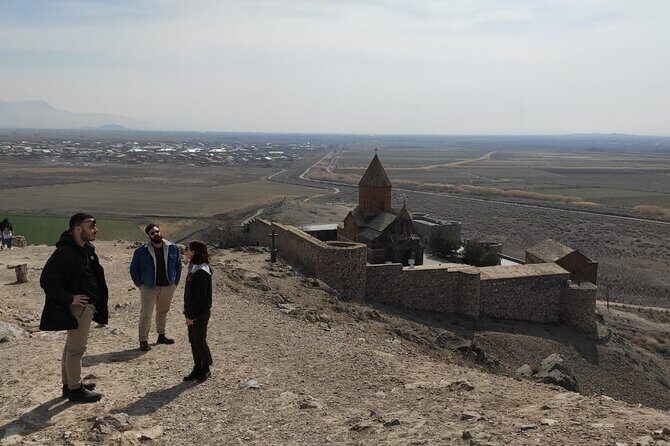
This tour caps at a maximum of 16 travelers, and that small-group feel changes the quality of the experience. When a group is that size, the guide can actually pace the day and explain without constantly repeating everything. It also keeps the stops from feeling like a traffic jam, especially at major landmarks like Etchmiadzin and Khor Virap.
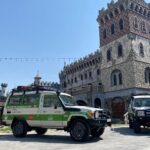
You’re riding in an air-conditioned vehicle with a professional and safe driver, plus bottled water. That combination helps a lot in Armenia’s weather swings, and it reduces the mental load. The day has a start time of 9:00 am, and the overall time sits around 9 to 10 hours, so comfort isn’t a luxury—it’s what keeps you attentive when you want to absorb the stories.
Guide quality is part of the charm too. From my perspective, the best sign is consistency: I’ve seen how guides like Marine keep the day running on time while still sharing interesting, connected information. I’ve also seen how Saten’s friendliness and passion make the architecture feel personal instead of distant.
What the $62 price really covers
At $62 per person, this tour is priced like a value day that prioritizes major sites plus experiences, not only transport. You get an air-conditioned vehicle, bottled water, and a professional driver. You also get lunch and wine tasting included, and lunch dietary requirements are considered.
A big point for value: admission tickets for the listed sites are free where stated in the tour flow. That means less money spent on individual entrances and more time focusing on what you actually came for—Hripsime, Etchmiadzin, Khor Virap, Noravank, and the Areni wine experience.
Where you should mentally budget beyond the included items: souvenirs, extra snacks during the drive, and your own comfort gear (like water if you prefer more than what’s provided). But as a whole, $62 feels like it fits the scope of the day.
Who this spiritual day trip suits best
This tour fits you best if:
- You like Christian history told with a sense of place, not lecture style
- You want to cover major Armenian spiritual sites near Yerevan without dealing with logistics
- You enjoy architecture, including unusual details like Noravank’s two-story design and open dome
- You’re interested in authentic food experiences, especially a homemade lunch connected to a local family
It might not be your ideal choice if you only want short stops and lots of free time to wander. This is a structured day. Even though it doesn’t feel rushed, it’s still built around scheduled site time and the full route from church to monastery to wine.
Before you book: small planning tips that pay off
- Wear shoes that work on uneven ground, especially if you’re going into Khor Virap’s dungeon pit area.
- Bring a light layer for church interiors and early morning hours around 9:00 am.
- If you care about photo timing, keep expectations flexible—views depend on conditions, and you’ll be moving between sites.
- If you have dietary needs, note them. Lunch dietary requirements are taken into consideration, which is exactly what you want to know ahead of time.
Should you book this tour of sacred sites and Areni wine?
I think you should book it if you’re building a first serious picture of Armenia’s spiritual story. The route makes sense: it connects martyrdom (Hripsime), church leadership and education (Etchmiadzin), conversion-era hardship (Khor Virap), monastic artistry (Noravank), and then a living tradition you can taste (Areni wine).
If you’re traveling with people who care about different things—history, faith, architecture, or food—this day gives each person something tangible. The small group size, the included lunch, and the wine tasting make the day feel complete rather than fragmented.
The only reason to hesitate is if your mobility is limited or if you prefer slower days with more free time. Otherwise, this is one of the better ways to spend a long day near Yerevan with both meaning and comfort.
FAQ
How long is the Armenia spiritual tour?
The tour lasts about 9 to 10 hours.
Where does the tour start in Yerevan?
The meeting point is Envoy Hostel & Tours at 54 Pushkin St, Yerevan 0002, Armenia.
What time does the tour start?
The start time is 9:00 am.
Is the tour offered in English?
Yes, the tour is offered in English.
What is included in the price?
The tour includes an air-conditioned vehicle, a professional safe driver, bottled water, lunch (with dietary requirements considered), and wine tasting.
Are admission tickets included for the sacred sites?
The tour information indicates admission tickets are free for the listed main stops.
How many people are in a group?
The tour has a maximum of 16 travelers.
Is there any wine tasting on the tour?
Yes, there is wine tasting, including sampling local homemade wine in Areni.
Is there a limit on physical fitness?
You should have a moderate physical fitness level.
Can I cancel for free?
Yes. You can cancel up to 24 hours before the experience starts for a full refund.