REVIEW · YEREVAN
Group Tour: Garni, Symphony of Stones, Geghard, Lavash Baking
Book on Viator →Operated by Hyur Service · Bookable on Viator
Pagan Armenia, medieval rock churches, and bread baking all in one go. This tour is a strong first taste of the area: you get entrance fees included, plus snacks and drinks, and the stops are explained clearly in English with Russian support when needed. One thing to plan for: there’s no lunch stop, so bring your energy (and maybe a small extra snack if you’re the type who gets hungry fast).
I really like how this feels efficient without feeling rushed. You spend real time at Garni Temple, walk around the Garni canyon formations at Symphony of Stones, and then go to Geghard, where the setting is perfect for quiet, thoughtful sightseeing. The only potential drawback is language flow—because the guide offers ENG + RUS consecutively, one group may wait while the other gets their turn.
For value, this is hard to beat. At about $28 for roughly 5–6 hours, you’re covering major sites, getting bottled water and Wi‑Fi on board, and finishing with a lavash baking master class and tasting instead of just a drive-by photo stop.
In This Review
- Key things you’ll notice on this tour
- Getting started at Hyur Service and how the day actually moves
- Charents’ Arch viewpoint: a quick snapshot before the big sights
- Garni Temple: Greco-Roman columns on an Armenian cape
- Lavash baking master class: the hands-on part you’ll actually remember
- Symphony of Stones: Basalt organ pipes from ancient lava
- Seasonal note: what changes in winter
- Geghard Monastery: rock-cut churches and khachkars in UNESCO territory
- Price and value: what $28 includes, and what you’ll plan for
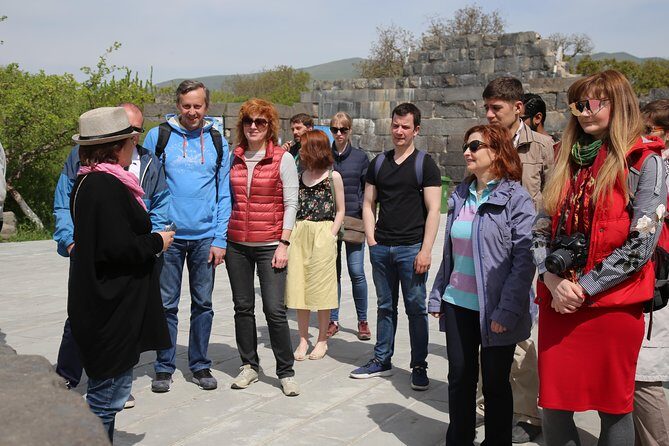
- Guides, pacing, and group size: comfort without becoming a parade
- Who this tour is for (and who should skip it)
- Should you book this Garni–Geghard tour?
- FAQ
- FAQ
- How long is the tour?
- What does the tour cost?
- What language is the tour offered in?
- What’s included in the price?
- Are entrance fees covered?
- Is lunch included?
- Where do we meet and where does it end?
- Does it run in bad weather?
- What happens if the road to the canyon is closed in winter?
- Is there a limit on group size?
Key things you’ll notice on this tour
- Entrance fees included, so you’re not doing surprise payments at the gate
- Lavash master class and tasting near Garni, with pastries and drinks to keep you going
- Comfort + practical extras like air-conditioned vehicles, bottled water, and on-board Wi‑Fi
- Geghard timing works: rock-cut churches and khachkars in about an hour, with time to explore
- Small-group feel inside a larger max size (up to 49), with guided stops at each location
Getting started at Hyur Service and how the day actually moves
Your day begins at Hyur Service (96 Nalbandyan poxoc, Yerevan). This is a simple setup: no hotel pick-up or drop-off, and the tour ends back at the same meeting point. You’ll check in, hop onto the vehicle, and settle in for a drive out of the city.
The tour runs about 5 to 6 hours total, with several short stopovers that keep the momentum. Expect a “see, hear, walk, photo, repeat” rhythm rather than a slow museum day. Since seat assignments aren’t guaranteed in advance, arriving close to your check-in time helps.
The vehicle is air-conditioned, and you also get Wi‑Fi and bottled water during the ride. One practical tip: bring small change for restroom stops, since facilities along the route may not accept cards and you don’t want to scramble.
You can also read our reviews of more tours and experiences in Yerevan.
Charents’ Arch viewpoint: a quick snapshot before the big sights
Before Garni, you’ll stop at Charent’s Arch for a short viewing break. It’s brief—about 15 minutes—but it gives you a useful reset before the day’s longer walks.
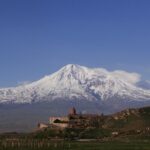
If conditions are clear, this is the kind of stop that often frames Armenia’s wide, dramatic skies and distant views (some groups note a classic Ararat view here). Use this time to take a couple of photos, stretch your legs, and be ready for Garni proper.
Garni Temple: Greco-Roman columns on an Armenian cape
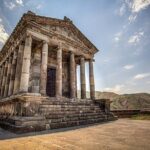
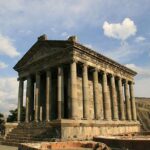
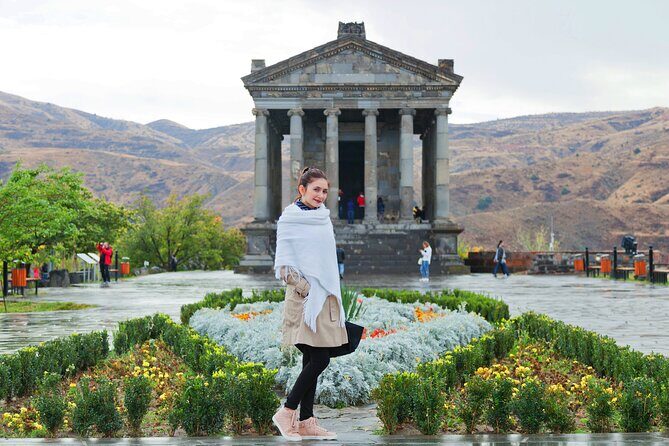
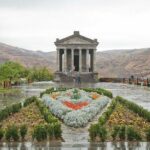
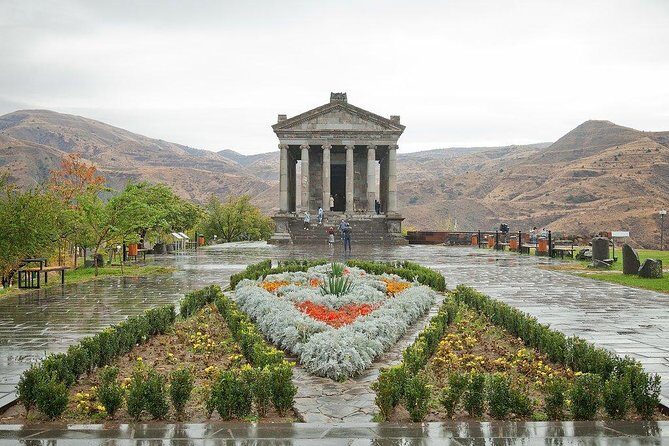
Garni Temple is the anchor stop, sitting above a triangular cape and rising like a stone reminder that Armenia has always been a crossroads of cultures. What makes it special is the mix of Greco-Roman and Armenian design, tied to a real royal story: King Trdat the First ordered the temple in the first century AD, dedicated to the god of the sun.
After Christianity was adopted in 301, the pagan temple lost its role. The Garni fortress then shifted into something else entirely—turning into a royal summer residence, leaving behind the ruins you can still see around the area. Near the temple, you can also spot the remains of the royal palace and even the famous mosaic work from the bathroom area.
When I think of this stop, I like that it’s not just “pretty ruins.” It’s a tangible timeline: pagan ritual architecture, then royal life, then the quiet survival of stone through centuries. And because you’re near a lavash preparation area, the mood shifts naturally from monuments to food culture.
Lavash baking master class: the hands-on part you’ll actually remember
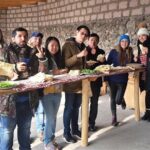
One of the best reasons to book this tour is that you don’t just eat lavash—you help make it. Near Garni Temple, you’ll participate in a lavash baking procedure and then enjoy a tasting. It’s about letting the bread story make sense with your hands, not only listening to someone describe it.
You’ll typically have pastries and bottled water as you transition between sightseeing and food time. The lavash experience tends to run smoothly because it’s part of the schedule, not an extra detour you have to chase down on your own.
For practical comfort, come ready for a short walk and standing time. Wear shoes you don’t mind getting a little dust on, and if you’re sensitive to heat, dress accordingly since you’ll be outdoors between stops.
Symphony of Stones: Basalt organ pipes from ancient lava
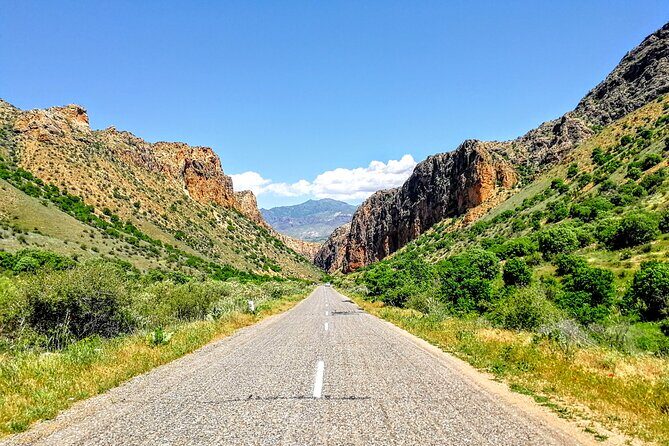
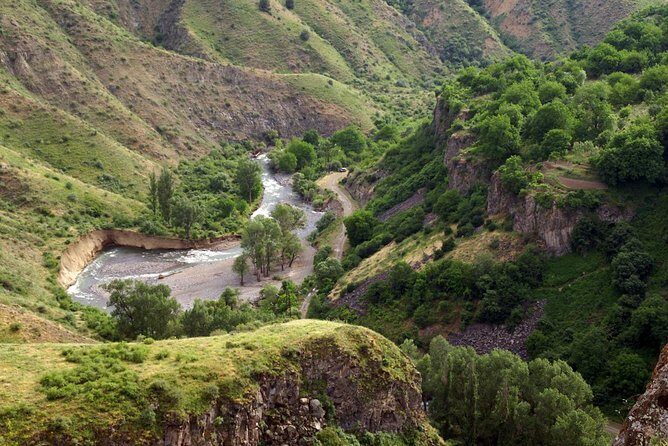
After Garni, the tour takes you to the Symphony of Stones in the Garni canyon. This is where the geology becomes the show. The formations are columnar basalts—basically lava flows that cooled into repeating polyhedral columns.
People often describe the look as a basaltic organ, because the shapes rise in regular “pipe-like” patterns. The visit time is about 30 minutes, so you’ll have enough time to walk around, take photos, and catch the main viewpoints without turning it into a hiking day.
If you’re the kind of traveler who likes “why does this exist?” moments, this stop delivers. You’re staring at the physical results of volcanic processes that happened long before people built temples or monasteries here. It’s a nice contrast to Garni Temple: from human-made symbolism to nature’s geometry.
Seasonal note: what changes in winter
The tour includes either a Symphony of Stones visit or, if the road to the canyon is closed in winter, a sujukh-making master class instead. So in cold months, you’re still getting a hands-on food or craft experience, even if the canyon portion can’t happen.
Geghard Monastery: rock-cut churches and khachkars in UNESCO territory
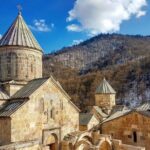
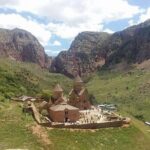
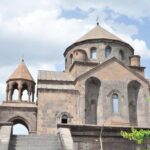
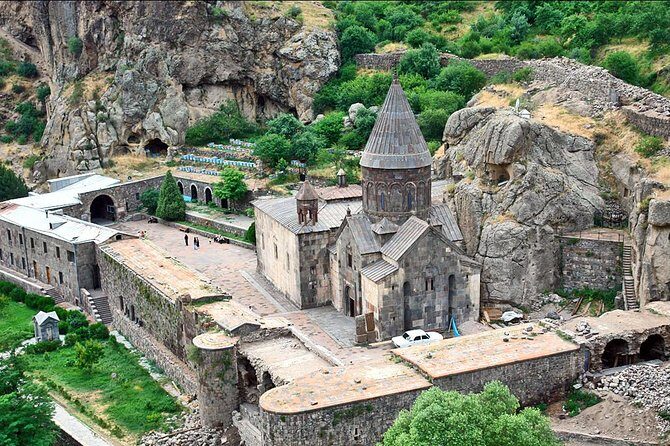
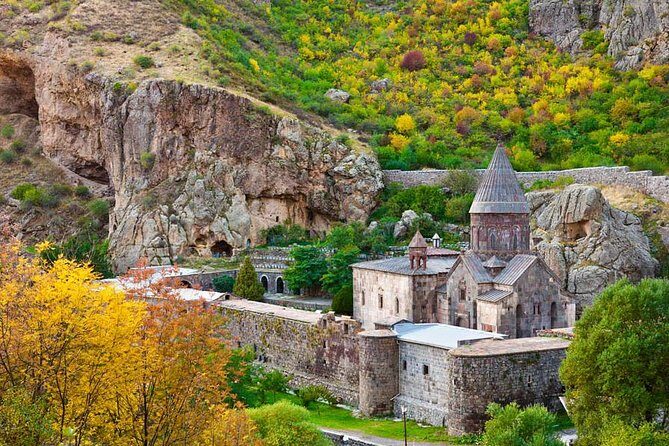
Geghard is the stop that often makes people slow down. This 13th-century Armenian architecture complex is famous for churches carved directly into huge rock. The setting does something rare: it makes the building feel like it grew from the mountain rather than sitting on top of it.
The complex’s original name was Ayrivank, meaning cave monastery. Later, it became known as Geghard (lance) because the lance used by the Roman soldier to sting Jesus Christ’s side was reportedly kept here for many centuries. Whether you come for faith, art, or pure architecture, the naming helps you understand why people cared so deeply about this place.
It’s also a standout for sculpture work and the khachkars—cross-stones—scattered throughout the area. UNESCO status is part of the reason this place is so protected and respected, but the real reason to go is visible on your first steps inside: the stone is carved with focus, not just decoration.
One more detail I love here: Geghard is known as an excellent location for singing spiritual songs. Even if you don’t sing yourself, the acoustics and the setting make you understand why that tradition belongs in this space.
Price and value: what $28 includes, and what you’ll plan for
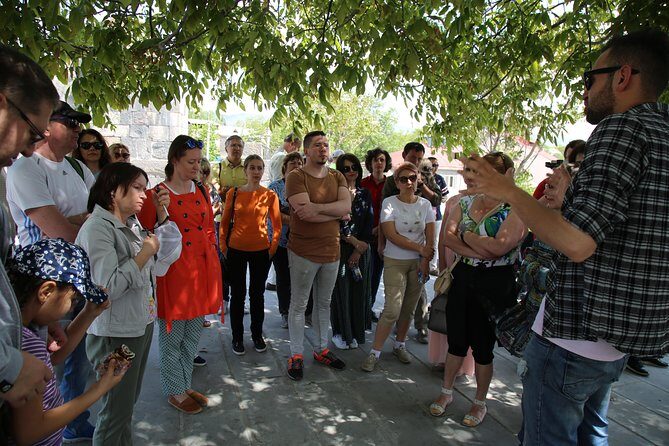
At $28 per person, this tour is priced like a practical “best-of” day, not a premium private experience. The big value points are the entrance fees included, plus snacks and beverages. You also get bottled water, Wi‑Fi in the vehicle, and insurance coverage as part of the package.
On top of that, you get a guided visit with English available (plus Russian consecutively). In other words, you’re not just moving between stops—you’re getting context so your photos mean something later.
What’s not included is also important. There’s no lunch stop. The tour provides snacks, pastries, and drinks, but if you know you’ll want a full meal, plan for either a light lunch earlier or something after the tour.
Also note: seats aren’t known in advance. If you’re tall, plan to arrive earlier for the easiest boarding and seating.
Guides, pacing, and group size: comfort without becoming a parade
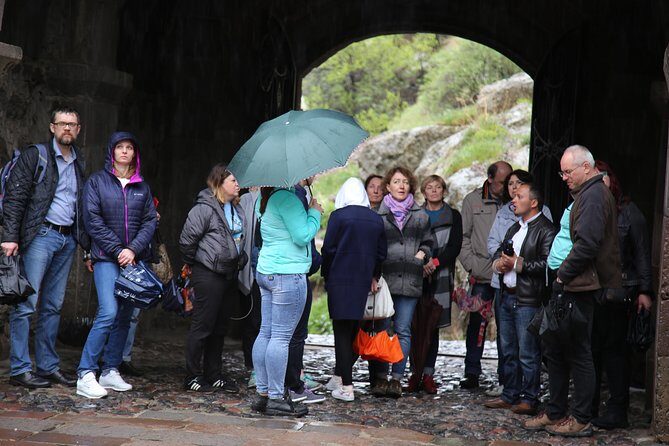
This tour runs with a maximum group size of 49. That usually keeps things organized, but you still get the reality of a bus day: you move as one group. The good side is that the schedule is tight, with time allocated at each major point rather than constant rushing.
The guide quality is a major factor in why this works for first-time visitors. I’ve heard from guides like Sam and Gayane (and others) who explain the sights at the right speed—clear enough to follow, detailed enough to be interesting, and friendly in how they handle questions. Some guides also incorporate local storytelling style that makes the architecture feel less like a diagram and more like a living culture.
One potential snag is language timing. Because the guide provides English and Russian consecutively, you may notice your group waiting briefly at certain moments while the other group hears their version. It’s not a deal-breaker, but it’s worth knowing so you don’t mistake it for poor organization.
If you get motion sickness, keep an eye on the road conditions and ride length between stops. One helpful strategy mentioned is going lighter on sweets before the drive, and having tools like Sea-Bands if they work for you.
Who this tour is for (and who should skip it)
This is an excellent choice if you want a first outing outside Yerevan that hits key monuments without needing to plan transport on your own. It’s especially good for couples, solo visitors, and small friend groups who like guided interpretation and short walks.
I’d also recommend it if you care about Armenian culture beyond restaurants—because lavash baking gives you a real-world skill, and Geghard shows how faith and art shaped the landscape over centuries.
If you dislike buses, short time at many sites, or anything that feels like a “schedule day,” you might want something slower and more focused. Here you’re trading depth at one place for a broader overview across several highlights.
Should you book this Garni–Geghard tour?
Yes, I’d book it if you’re short on time and want the best mix of ancient temple architecture, volcanic geology, and a rock-cut monastery—plus a food experience that’s actually interactive. The math works because you’re paying low for a day that includes entrance fees, snacks, pastries, and bottled water, not just transportation.
Skip it only if you strongly prefer unguided exploration, need a true lunch break, or get uncomfortable with the language-switching rhythm of an ENG + RUS format. If those don’t apply, this is a smart way to see more of Armenia in a single half-day block.
FAQ
FAQ
How long is the tour?
It runs about 5 to 6 hours total, with each main stop timed so you can see the sights and still have time to look around.
What does the tour cost?
The price is $28.00 per person.
What language is the tour offered in?
English is offered, and the guide also speaks Russian consecutively.
What’s included in the price?
You get a professional guide, air-conditioned vehicle, Wi‑Fi in the vehicle, bottled water and pastries, snacks and beverages, admission tickets, and the lavash master class and tasting. Vehicle insurance is also included.
Are entrance fees covered?
Yes. Entrance fees are included for the sites on the route.
Is lunch included?
No. There is no lunch stop included in the tour.
Where do we meet and where does it end?
You start and end at Hyur Service, 96 Nalbandyan poxoc, Yerevan. There’s no hotel pick-up or drop-off.
Does it run in bad weather?
It operates in all weather conditions, so dress appropriately for the day.
What happens if the road to the canyon is closed in winter?
If the Symphony of Stones route can’t be reached in winter, the program includes sujukh-making master class instead.
Is there a limit on group size?
Yes. The tour has a maximum of 49 travelers.