REVIEW · YEREVAN
Garni, Geghard & Sevan: Symphony of Stones & Scenic Views
Book on Viator →Operated by Memory Maker Travel Armenia · Bookable on Viator
Stone temples and lake views, all in one day. Garni Temple anchors this outing with Ionic columns and a sun-god story that still feels vivid. Then the day keeps widening—toward Geghard’s rock monastery and out to Lake Sevan’s dramatic heights.
What I really like is the blend of big landmarks and real setting time. You’ll get a guided visit style that doesn’t feel rushed, and you’ll have room to slow down for photos and details instead of just ticking boxes. One guide named Hovo gets specific praise for being helpful, explaining clearly, and knowing where to take the best shots.
The main thing to watch is that the day depends on the weather. If conditions are rough, the plan may change—one past group couldn’t go to Geghard but still got alternative options handled well. Also, a couple of key entry fees aren’t included, so your budget needs a small extra buffer.
In This Review
- Key highlights worth planning for
- The one-day route that makes sense from Yerevan
- Garni Temple: Ionic columns, Mihr, and why it survived
- Geghard Monastery: why a spear has a long trail to Armenia
- Lake Sevan at 1,900 meters: more than a scenic stop
- Sevanavank Peninsula: how Stalin-era draining reshaped the church site
- Symphony of Stones: brief, paid, and worth the stop time
- Price and logistics: what $140 per group really covers
- Weather can change your day (and that’s where the guide matters)
- Who should book this Garni, Geghard & Sevan day trip
- Should you book this tour?
- FAQ
- How long is the tour?
- What is the group size?
- Is pickup included?
- Do I need a mobile ticket?
- Are any entrance fees included?
- Is Lake Sevan admission included?
- What happens if the weather is bad?
- Can I cancel for free?
Key highlights worth planning for
- A private group of up to 3 means you’re not squeezed into a crowd.
- Hovo-style guidance is repeatedly praised for calm pacing and smart photo stops.
- Garni Temple’s Ionic design ties pre-Christian Armenia to later Christian-era transformations.
- Geghard at UNESCO status brings you into a medieval rock monastery with the spear relic legend.
- Lake Sevan’s altitude and ecosystem facts give the lake meaning beyond a postcard view.
- Symphony of Stones is short but memorable, with a small extra entry fee.
The one-day route that makes sense from Yerevan
This is a full day that stays efficient without feeling like a sprint. You’re out roughly 8–9 hours, seeing three major “pillars” of Armenia’s east: a pagan-era temple site at Garni, a rock-cut monastery at Geghard, and then the high-altitude Lake Sevan area.
Because it’s private transport with pickup offered, you spend less time waiting and more time looking. You’ll also have WiFi on board plus an air-conditioned vehicle, which is a quiet quality-of-life upgrade when you’re dealing with Armenia’s weather swings.
You can also read our reviews of more tours and experiences in Yerevan.
Garni Temple: Ionic columns, Mihr, and why it survived
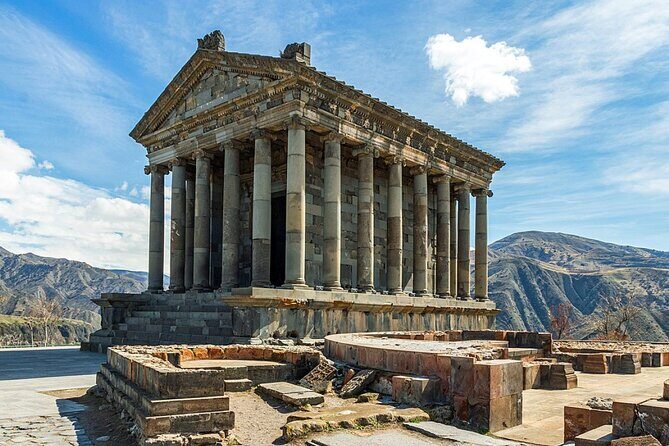
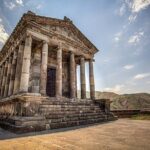
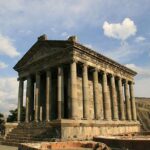
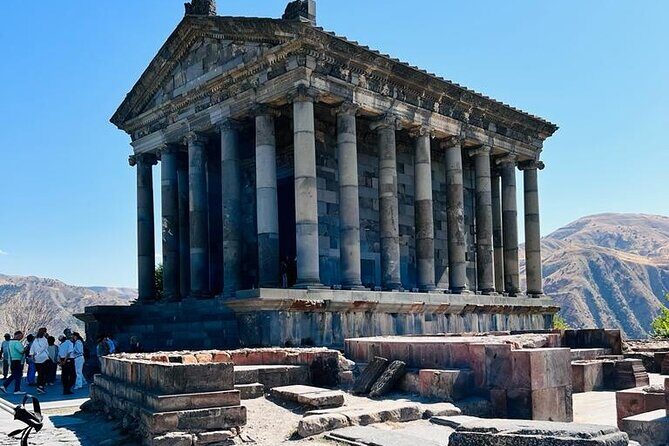
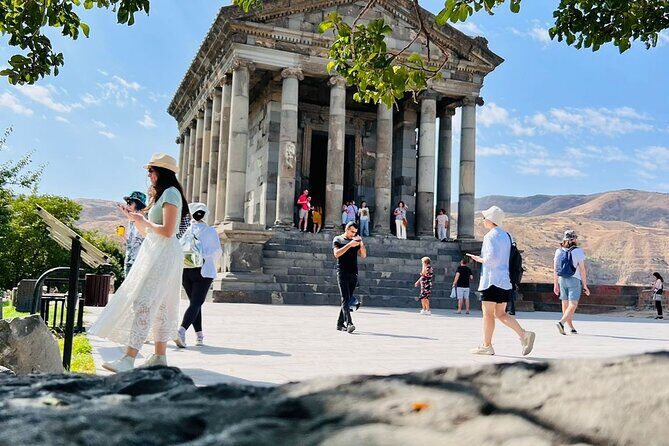
Garni Temple sits in the village of Garni, and it’s the best-known survivor of pre-Christian Armenia’s monumental architecture. The famous look is Ionic style, and the story starts in the first century AD, when King Tiridates I likely built it as a temple for the sun god Mihr.
Then it gets more interesting. After Armenia converted to Christianity in the early 4th century, the temple area was transformed into a royal summer residence associated with Khosrovidukht (the sister of Tiridates III). Some academics even argue it may have been a mausoleum rather than a temple—possibly explaining how it survived the destruction of many pagan structures.
What you’ll notice in practice: you’re not just viewing ruins. You’re standing inside a place where one belief system layered onto another. That makes it easier to understand why the building still commands attention today.
One practical note: entry to Garni Temple is listed as $4 per person and isn’t included. So plan on paying that day and keep it simple—bring a card or small cash.
Geghard Monastery: why a spear has a long trail to Armenia
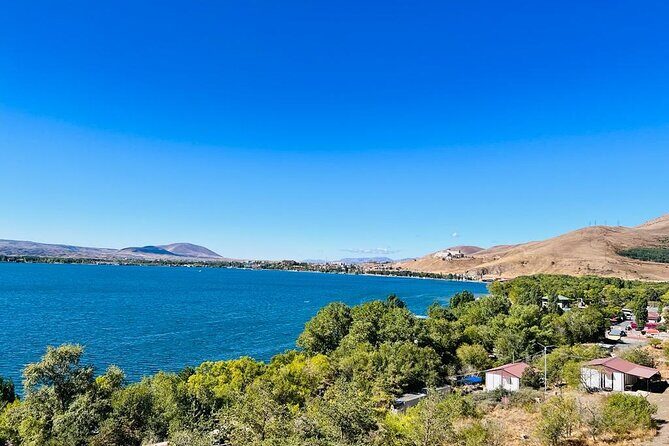
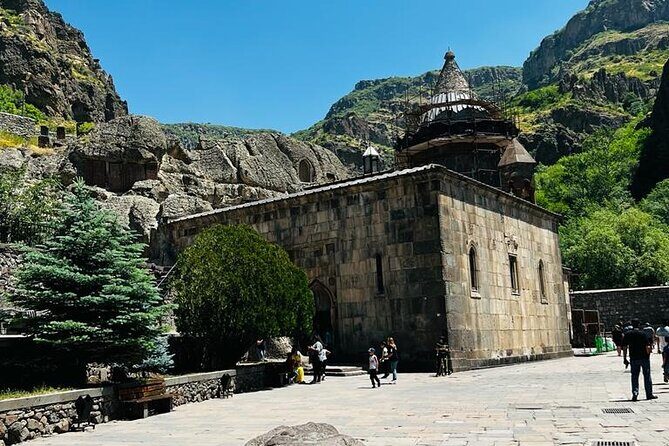
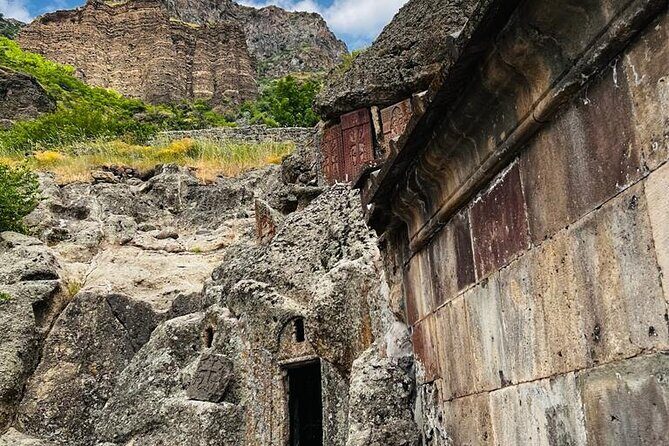
Geghard (meaning spear) is a medieval Armenian monastery and part of a UNESCO World Heritage Site. It’s the kind of place where the setting itself does half the storytelling—you’re meant to feel how a sacred site can be carved into the landscape and kept going across centuries.
The big legend is tied to a relic. The spear that wounded Jesus at the Crucifixion is said to have been brought to Armenia by Apostle Jude, also known here as Thaddeus. The spear was allegedly kept among other relics, and it’s now exhibited in the Treasury of Echmiadzin.
What you’ll love here: even with limited time, Geghard gives you depth. You can look at the monastery as art and architecture, then also as a map of Christian-era connections—without needing a lecture that eats your whole visit.
Time on site is about 1 hour. That’s enough for a meaningful walk and photos, but not so long that you’ll feel trapped. If weather turns, this is also the stop most likely to be affected, so keep your expectations flexible.
Lake Sevan at 1,900 meters: more than a scenic stop
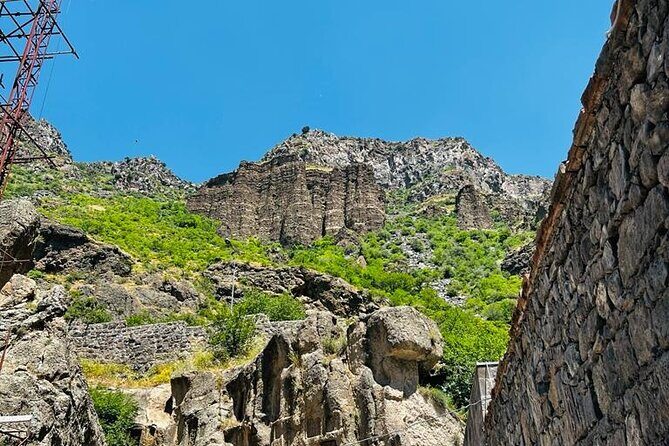
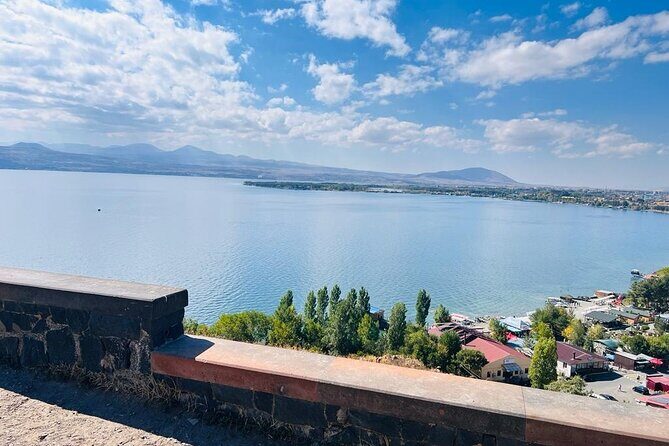
Lake Sevan is the largest body of water in both Armenia and the Caucasus region. It sits at about 1,900 meters above sea level, and it’s one of Eurasia’s largest high-altitude freshwater lakes. This isn’t just a pretty detour; it’s a working, vital system.
The lake is fed by 28 rivers and streams, and it plays a major economic role too. Sevan provides around 90% of Armenia’s fish catch and about 80% of the crayfish catch. You’ll also find cultural and recreational value, and the lake’s island (now a peninsula) ties directly into the next monastery stop.
Your best move: treat this stop as a reset. Even if you only have about 30 minutes, you can step back, scan the water, and then look for the monastery structures that dot the shore. It’s a fast stop, but the lake helps you connect the day—turning stone history into present-day scale.
Entry is listed as free for this part of the visit, so you’re not paying extra just to enjoy the water and views.
Sevanavank Peninsula: how Stalin-era draining reshaped the church site
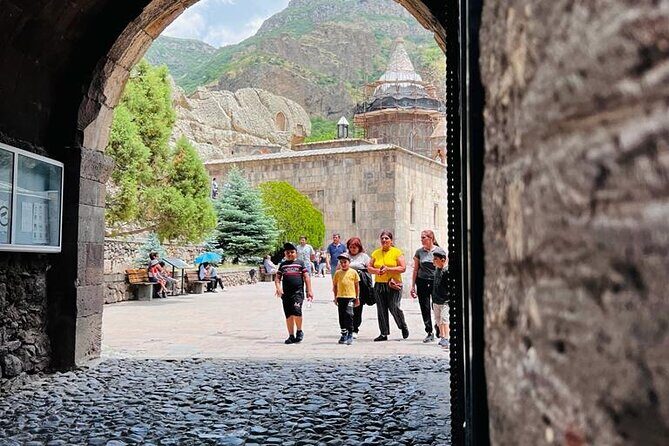
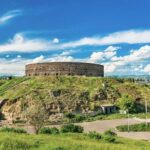
Sevanavank is a monastic complex on a peninsula at the northwestern shore of Lake Sevan. The origin is tied to geography: the monastery was initially built at the southern shore of a small island, and later, when the lake was artificially drained starting in the era of Joseph Stalin, the water level fell about 20 meters. That change turned the island into a peninsula.
This is why Sevanavank feels like it’s shaped by more than faith. It’s also shaped by engineering decisions and political history—yet the monastery still reads as spiritual place first.
A few shoreline details help you understand what’s around you:
- On the southern shore of the peninsula, a guesthouse of the Armenian Writers’ Union was built.
- The eastern shore is occupied by the Armenian president’s summer residence.
- The seminary of the monastery is active and moved to newly constructed buildings on the northern shore.
Time here is about 40 minutes, and it’s long enough to take in the peninsula layout rather than just snapping photos and leaving. Sevanavank is also listed with free admission for this tour.


Symphony of Stones: brief, paid, and worth the stop time
After the monasteries and lake breathing room, you’ll hit the Symphony of Stones. This is where nature lays down rock formations that look arranged, like time sculpted them into patterns you don’t see every day.
The stop is only around 30 minutes, so treat it like a focused photo and viewing window. You’ll probably want to arrive ready to walk a bit and change angles quickly.
Entrance is not included: it’s $0.50 per person. It’s small money, but still money—so check your total before you think you’re done paying for the day.
Why it works in this tour: it gives you a different kind of “story.” Instead of human-built layers of history, you get a geology-driven scene that helps your brain switch modes before the drive back.
Price and logistics: what $140 per group really covers
The price is $140 per group for up to 3 people. For a private day at this pace, that’s often what makes the difference between enjoying the sites and feeling like you’re trapped in a schedule.
Here’s what the tour cost includes:
- Air-conditioned vehicle and private transportation
- WiFi on board
- Fuel surcharge and parking fees
And here’s what isn’t included:
- Garni Temple entry fee ($4 per person listed)
- Symphony of Stones entry fee ($0.50 per person listed)
So, in real life, you’re paying mostly for the experience and the smooth ride—not a bundle of high ticket costs. That’s good value if you want privacy and control without surprises that blow up your budget.
One more practical angle: most bookings happen about 9 days in advance on average, but you don’t have to plan a month out to get value. One guide experience also shows that booking close to the date can still work.
Weather can change your day (and that’s where the guide matters)
This route has three big “places,” and weather can impact how comfortable those visits are—especially if conditions affect the timing at Geghard. When that happens, the tour approach matters.
In at least one real-world case, the guide explained the situation before calling it off and then provided alternative options that were still worth visiting. That’s the key skill: you don’t just cancel and shrug. You adapt, clearly, and keep the day meaningful.
This is also where the guide’s pacing philosophy matters. One guide named Hovo earned praise for never rushing and for giving enough time to enjoy the sites at your own speed. He also has a habit of picking good photo spots—so you spend less time wandering around trying to find a view that looks like your camera’s idea of “good.”
Who should book this Garni, Geghard & Sevan day trip
I’d point you toward this tour if you want:
- A private day with pickup offered and comfort on the road
- A strong mix of stone architecture (Garni, Geghard) and high-altitude nature (Lake Sevan)
- A guide who handles the timing with your pace in mind, including photo stops
- Enough structure to stay on track, but not so much that you feel dragged through
It’s also a solid fit for small groups—families included—because you’ll get support with family shots. One guide experience specifically mentioned extra care for family photos, including help taking snaps.
You might skip it if you prefer long, slow stays at one site. This is a “multiple stops, good rhythm” day. If you want all-day wandering at a single location, you may prefer a different format.
Should you book this tour?
Yes, if you want an efficient, meaningful day that connects Armenia’s layers—pre-Christian stone, medieval rock monasteries, and a working high-altitude lake. The best reason to book is the balance: private transport, a calm pace, and guidance that can adjust if weather interrupts the plan.
Before you go, do two simple things: plan for the small extra entry fees (Garni Temple and Symphony of Stones), and bring flexible expectations about timing at Geghard if conditions shift. If you do that, you’ll get a day that feels both structured and real—like you actually saw the region, not just drove past it.
FAQ
How long is the tour?
The tour runs about 8 to 9 hours.
What is the group size?
It’s a private tour/activity with your group only, up to 3 people.
Is pickup included?
Pickup is offered, and the tour includes private transportation.
Do I need a mobile ticket?
Yes. Mobile ticketing is included.
Are any entrance fees included?
Some entrances are listed as free for this tour, but not all are. Garni Temple ($4 per person) and Symphony of Stones ($0.50 per person) are not included.
Is Lake Sevan admission included?
Lake Sevan is listed with admission ticket free for the visit time included in the tour.
What happens if the weather is bad?
The guide may adjust the plan if needed. In one case, Geghard couldn’t be visited due to bad weather and the guide provided alternative options similarly worth seeing.
Can I cancel for free?
Yes. You can cancel up to 24 hours in advance for a full refund.