REVIEW · YEREVAN
Garni,Geghard, Lake Sevan & Dilijan Monasteries Private Tour
Book on Viator →Operated by Yerani Travel LLC · Bookable on Viator
Armenia hits fast on this private loop. This Garni, Geghard, Lake Sevan & Dilijan day strings together standout monuments, from an ancient temple and rock-cut monastery to views over Lake Sevan at 1,900 meters. I like that the route is built for comfort, with pickup and a smooth drive between sites.
Two things I really appreciate: the air-conditioned vehicle keeps the long day bearable, and the history comes with real explanations, not just dates. You’ll also get a practical mix of sights, so you’re not stuck choosing between monasteries and photo stops.
One possible drawback: it’s a full 10–11 hours, so expect a long sit in the car. Also, the Garni gorge stop called Symphony of Stones can be affected by weather, and that timing can’t be forced.
In This Review
- Key things I’d mark on your map
- Price and what you actually get for $85.70
- The comfort factor: AC vehicle, Wi‑Fi, and pickup that reduces friction
- Stop by stop: what each site adds to your Armenia story
- Charents Arch for the Ararat photo moment (and a quick reset)
- Garni Temple: pagan-age architecture and Roman bath mosaics
- Symphony of Stones at Garni Gorge: spectacular shapes, weather-based timing
- Geghard Monastery: the Holy Lance story, plus a church cut into rock
- Lake Sevan: 1,900 meters up, with Sevanavank khachkars
- Haghartsin Monastery: eagle-play name, big refectory, and quiet setting
- Dilijan town walk: Sharambeyan Street and the 19th-century wooden-house vibe
- Goshavank Monastery near Dilijan: Mkhitar Gosh and an embroidered khachkar
- Guides: history that sounds accurate, not recited
- Timing, pacing, and who this day trip fits best
- What to pack and how to handle the outdoor parts
- Should you book this Garni–Geghard–Sevan–Dilijan private tour?
- FAQ
- Is hotel pickup and drop-off included?
- How long is the Garni, Geghard, Lake Sevan & Dilijan private tour?
- Is this a private tour?
- What languages are available?
- Is lunch included?
- Are entrance tickets included?
- Does Symphony of Stones always happen?
- Is a mobile ticket provided?
- What if the weather is poor?
- Are children allowed?
Key things I’d mark on your map
- Hotel pickup and drop-off in Yerevan so you waste less time figuring out transport
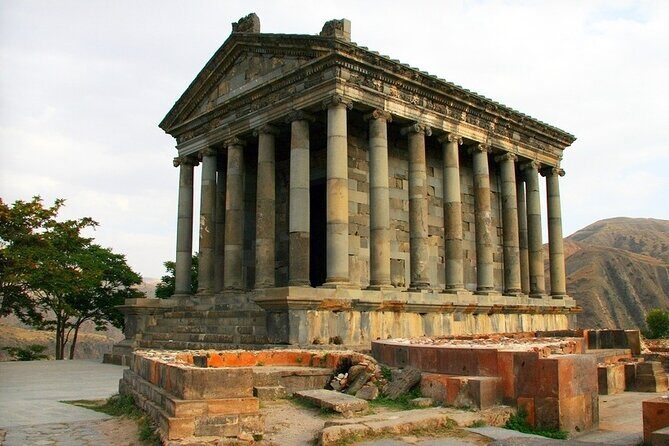
- Garni Temple plus Roman bath details like a mosaic made of 30,000 stone pieces
- Geghard’s rock-cut church tied to the Holy Lance story
- Lake Sevan panoramic views from the peninsula, plus a Sevanavank khachkar visit
- Dilijan walking time on Sharambeyan Street for wooden houses and old-town feel
Price and what you actually get for $85.70
This private tour runs at $85.70 per person for about 10 to 11 hours. What makes that number feel fair is what’s included versus what you still might pay.
You’re getting an AC vehicle, Wi‑Fi onboard, bottled water, and hotel pickup and drop-off in Yerevan. Then, most of the major stops on the day are free admissions—including Charents Arch, Geghard, Lake Sevan’s Sevanavank monastery time, Haghartsin, and Goshavank. The one place you should plan around is Symphony of Stones, where the admission is not included and the visit depends on the weather.
So if you’re comparing this to tours that nickel-and-dime each site, this one generally works out better. The only real “extra” tends to be food (lunch is not included, though it’s available on request) and whatever you decide about that Symphony of Stones ticket.
You can also read our reviews of more private tours in Yerevan

The comfort factor: AC vehicle, Wi‑Fi, and pickup that reduces friction
For a day packed with stone churches, outdoor viewpoints, and mountain driving, comfort isn’t a luxury. It’s the difference between finishing the day happy or feeling wrecked.
This tour includes an air-conditioned vehicle, plus Wi‑Fi on board and bottled water. Even with good driving, you’re still crossing multiple regions, so the AC matters when Armenia’s daytime heat shows up. The Wi‑Fi is handy for quick map checks when you’re trying to match what you see with what you’ve read about it.
The other big win is hotel pickup and drop-off within Yerevan. It removes the “how do we get there” stress, especially if your hotel isn’t near the main pickup points of other tours.
Stop by stop: what each site adds to your Armenia story
Charents Arch for the Ararat photo moment (and a quick reset)
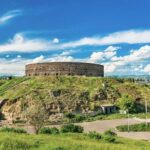
You start with a short stop at Charents Arch. It’s timed at about 20 minutes, and the ticket is free. The point isn’t a museum-style stop—it’s a viewpoint pause.
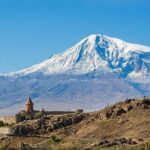
From here, you get one of the best chances to take in the view of Biblical Mount Ararat. It’s a good way to set the emotional tone for the rest of the day: ancient faith stories and modern Armenia geography in the same frame.
Tip for this stop: keep your camera ready, but don’t stand in the best light for ten minutes if the line moves. You want to come away with photos, then move on while the day still feels energetic.
Garni Temple: pagan-age architecture and Roman bath mosaics
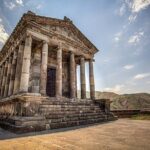
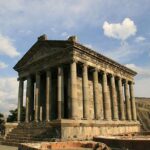
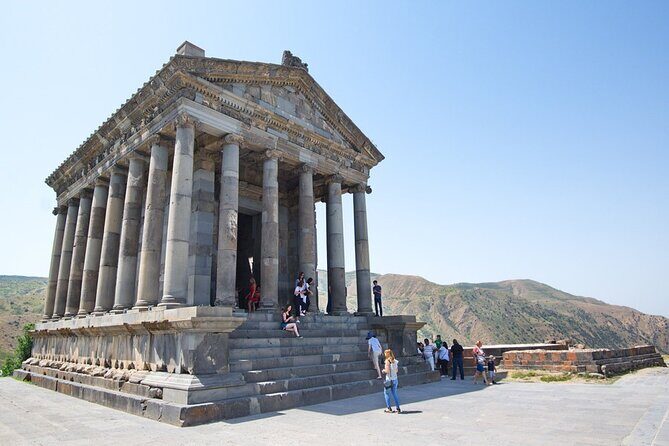
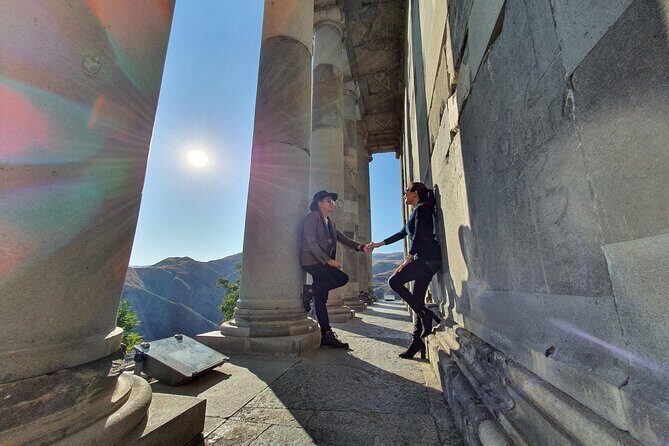
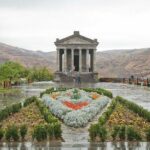
At Garni Temple, you’re stepping into the only standing heathen temple in the broader post-Soviet area, with the dating given as 77 A.D. You’ll have about 45 minutes, and admission is included.
The setting is dramatic: the temple sits on a plateau above the Azat River gorge. But the main payoff is the variety. This stop isn’t only “one temple and done.” You also see:
- the ruins of the royal palace dating back to the 3rd century A.D.
- the roman bath house with a mosaic described as made from 30,000 pieces of natural stones
That mosaic detail matters because it gives you a tactile sense of the site. You’re looking at a craft project, not just a foundation.
The drawback here is simple: if you’re not comfortable walking over uneven ground or spending time outside in sun, build in some water and shade breaks. The stop is still manageable at 45 minutes, but it’s not a sit-and-watch-only experience.
Symphony of Stones at Garni Gorge: spectacular shapes, weather-based timing
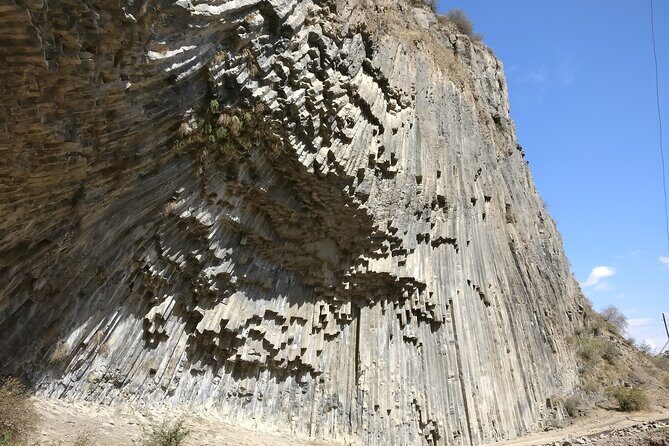
This is the stop that can make or break your day, depending on conditions. Symphony of Stones is described as a natural attraction known for rock formations that create a “symphony” of colors and shapes.
You’ll get about 40 minutes, but two things to know upfront:
- The visit is subject to weather conditions
- Admission ticket is not included
If the weather cooperates, this is a prime Armenia “wow” moment—when the stone formations do their thing and you feel like you’re standing inside a natural art exhibit. If it doesn’t, you may lose the stop or it may feel rushed. So come with flexible expectations and don’t plan on it being identical to the photos you might have seen online.
Geghard Monastery: the Holy Lance story, plus a church cut into rock
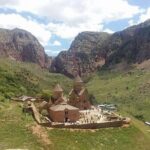
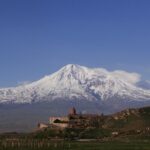
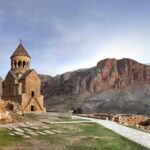
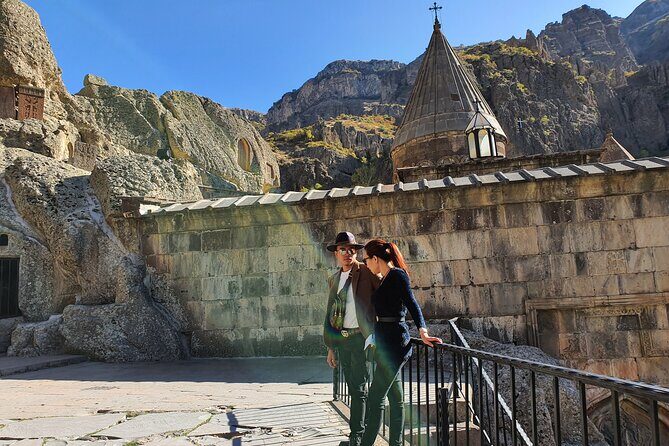
Geghard (Monastery of the Holy Lance) is the heart of the Christian side of this day. You’ll have about 40 minutes, and admission is free.
The name connects to the story of the Holy Lance—the lance that Longinus pierced Jesus with, and which, according to the tradition referenced here, was later brought to Armenia and kept at Geghard for five centuries.
What I love about Geghard is the physical design logic. The complex represents 13th-century Armenia, described here as the country’s Golden Age of architecture. And the standout detail is the architecture method: the church is cut right into solid rock, while still following Armenian architectural rules.
That combination—legend plus engineering—makes Geghard easier to understand, even if you’re not a long-time religious history reader. It’s a place where faith stories and stonework talk to each other.
Lake Sevan: 1,900 meters up, with Sevanavank khachkars
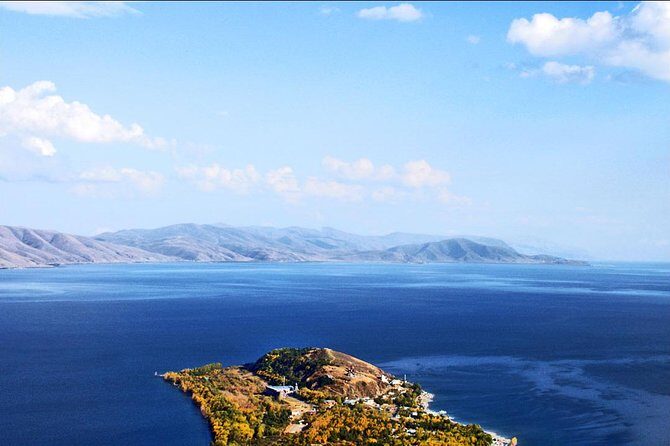
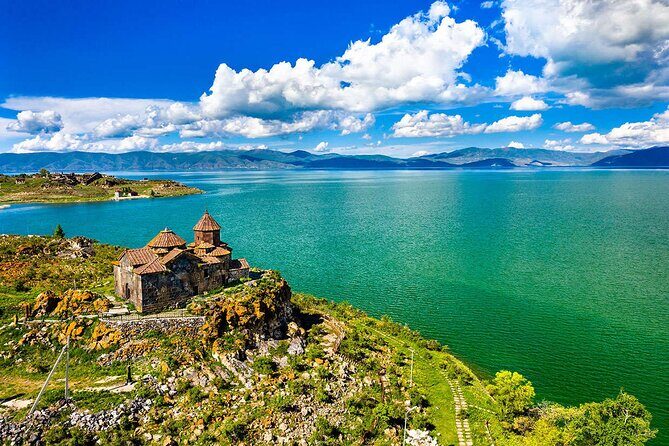
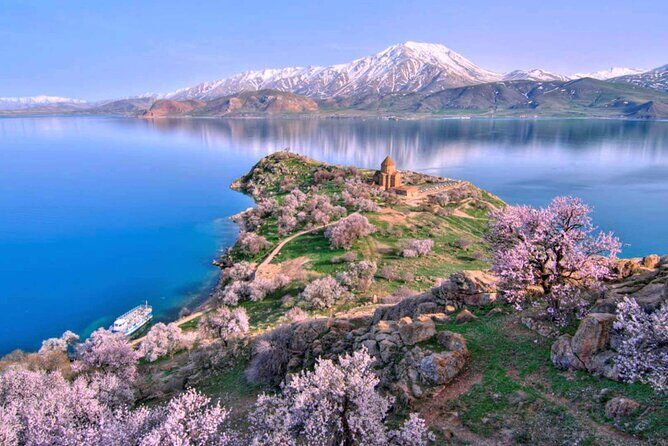
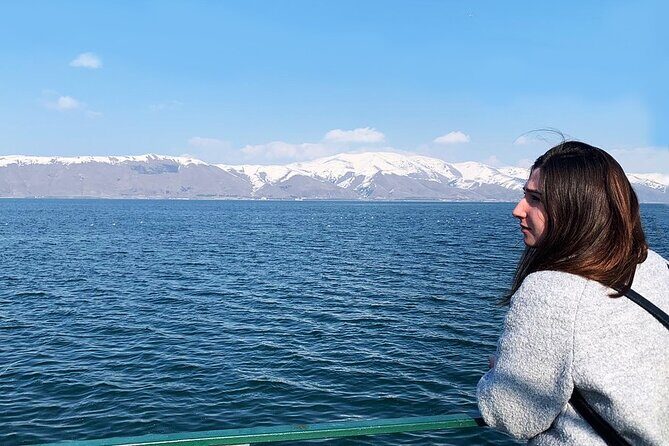
Then you shift from rock-cut monasteries to open mountain views. Lake Sevan sits at 1,900 meters above sea level, and you’ll have about 1 hour.
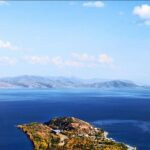
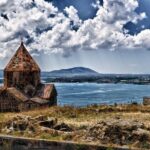
The day’s format here works well: you climb to the Sevan Peninsula, and from the summit you get panoramic views over the lake. Even if you’ve seen lake photos before, the altitude changes the feel. The water reads bigger and sharper, and the mountains frame it hard.
After the view, you explore Sevanavank Monastery. Admission is free, and you’ll focus on an important detail: an Amenaprkich (All Savior) khachkar. The tour description highlights that this cross-stone is among the rarest in Armenia and depicts Jesus.
This is also where your guide’s context really helps. With a short explanation, you start seeing khachkars not just as decorative stone crosses, but as art with meaning, symbolism, and regional style.
Haghartsin Monastery: eagle-play name, big refectory, and quiet setting
At Haghartsin Monastery, you’re looking at a site dating from the 10th to the 14th centuries. You’ll spend about 30 minutes, and admission is free.
The name translates as the play of the eagle, and you can see why from the general feel of the area—monastery and natural setting work together as a visual composition. There’s also an architectural reason to care: the refectory is described as the biggest among Armenian Church architecture and was considered an innovation in its time.
This stop can be more rewarding if you slow down slightly. Don’t rush through the main structures just because you’re seeing multiple churches in one day. Haghartsin feels like a breather compared with Geghard’s rock intensity and Lake Sevan’s wide view.
Dilijan town walk: Sharambeyan Street and the 19th-century wooden-house vibe
Next is Dilijan, often nicknamed the Switzerland of Armenia for its natural beauty. You’ll get about 25 minutes, with admission free since this is a town stop.
The goal isn’t a long city tour. It’s the walking stretch along Sharambeyan Street, where you’ll notice wooden houses, with many dating to the 19th century.
If your Armenia trip has felt mostly about stone monuments, this part balances it. You’re switching from “buildings in history” to “living town texture.” Even a short walk gives you a sense of where people actually stay and move through the day.
Goshavank Monastery near Dilijan: Mkhitar Gosh and an embroidered khachkar
Finally, there’s Goshavank Monastery (also noted as Gosh-Goshavank). You’ll have around 30 minutes, and admission is free.
This is another nature-linked stop. The tour description places it in the heart of a village that shares the name and emphasizes the setting.
The key human story here is Mkhitar Gosh. He’s described as one of the great intellectual powers of his time, author of works including the first code of civil and Canon law used in both Greater Armenia and Cilicia. He’s also buried near the church, which is said to have been built in 1188.
And there’s another khachkar highlight: you’ll see Pavghos’s (Poghos) Khachkar, described as the most beautiful “embroidered” khachkar in Armenia.
This stop is great for ending the day with meaning. You leave feeling you saw more than just architecture—you also saw how ideas traveled and got carved into stone.
Guides: history that sounds accurate, not recited
A big part of why this kind of day tour works is the guide voice. The data here points to guides who explain history in a way that feels accurate and attentive.
Examples from recent tours include Anastasia, Tatiana, and a pairing of Sam (guide) with Vatan (driver). The consistent theme is clear explanation and careful care for the group’s pace. If you’re trying to connect the dots between pagan-era Garni, early-Christian narratives at Geghard, and Armenian stone art like khachkars, you’ll want that kind of guiding.
What you can do: ask short questions during transitions—Why is this temple the only standing one? What makes khachkars different by site? Where should your photos be framed at each stop? A good guide will answer without making you feel rushed.
Timing, pacing, and who this day trip fits best
This is a private tour, meaning it’s only your group. That matters because the day is structured into fixed visit lengths—so a private group helps you keep things from turning into a cattle-car experience.
The total day is 10 to 11 hours, and that long duration is the main tradeoff. If you want slow travel, you’ll feel the pressure to keep moving. If you’re okay with a fast but well-organized day, it’s a smart way to cover a lot of Armenia in one go.
Best fit:
- First-time Armenia visitors who want the “big hits” without planning logistics
- People who enjoy mixing viewpoints and monasteries in one day
- Travelers who like religious and architectural stories tied to real places
Less ideal if:
- You prefer very relaxed schedules
- You’re sensitive to long stretches of driving or changing weather conditions
What to pack and how to handle the outdoor parts
Because several stops are outdoors or viewpoint-based, pack like you’re doing a mountain day:
- A light layer for changing temperatures
- Sun protection for Garni and Lake Sevan viewpoints
- Comfortable shoes for monastery grounds
- A simple power plan for photos (battery + storage)
Also, remember Symphony of Stones can be weather-dependent. If the day turns gray, don’t treat it like a failure. Adjust your expectations and focus on the stops that still deliver.
Should you book this Garni–Geghard–Sevan–Dilijan private tour?
I’d book it if you want a well-paced “greatest hits” day that’s still organized around meaning, not only sightseeing boxes. The value stays strong because pickup/drop-off, AC comfort, water, and Wi‑Fi are included, while most of the major admissions on the route are free. You’re paying mostly for the time, the driving, and the interpretive guidance.
Skip it if you want a slow, deep stay in one area. This day spreads your attention across multiple regions, so you won’t have hours in any single town or monastery.
One more quick note: the experience requires good weather, and Symphony of Stones depends on weather too. If you’re traveling during a shaky forecast window, plan to be flexible. That flexibility is usually what keeps the day feeling smooth.
FAQ
Is hotel pickup and drop-off included?
Yes. The tour includes hotel pickup and drop-off in Yerevan.
How long is the Garni, Geghard, Lake Sevan & Dilijan private tour?
It runs about 10 to 11 hours.
Is this a private tour?
Yes. It’s listed as private, so only your group participates.
What languages are available?
The tour is offered in English and Russian.
Is lunch included?
Lunch is not included. It’s available upon request.
Are entrance tickets included?
Garni Temple admission is included. Charents Arch, Geghard, Lake Sevan/Sevanavank, Haghartsin, and Goshavank are listed as free. Symphony of Stones admission is not included.
Does Symphony of Stones always happen?
No. The visit to Symphony of Stones is subject to weather conditions, and it also has an admission fee not included.
Is a mobile ticket provided?
Yes. A mobile ticket is included.
What if the weather is poor?
This experience requires good weather. If it’s canceled due to poor weather, you’ll be offered a different date or a full refund.
Are children allowed?
Yes, but children must be accompanied by an adult.