REVIEW · YEREVAN
Khor Virap, Azat Reservoir, Garni & Geghard Small-Group Day Trip
Book on Viator →Operated by Yerani Travel LLC · Bookable on Viator
Ararat views set the tone for this day trip. You’ll do a classic circuit just outside Yerevan—Khor Virap, Garni, and Geghard—with frequent chances to catch Mount Ararat on clear days. I especially love the Mt. Ararat photo moments and the hands-on lavash baking experience, both of which make the day feel real, not rushed sightseeing. One possible drawback: the schedule packs in multiple stops, so photo time can feel a bit quick between drives.
The comfort helps. You ride in a vehicle with Wi-Fi, bottled water, and sweet “gata,” and the guide keeps the day moving with explanations that connect the dots between religious history, ancient architecture, and volcanic geology.
If you want a slow, no-pressure day, this might not be your style. But if you like your time efficient and your views earned, this small-group day trip is a strong match.
In This Review
- Key highlights at a glance
- The day’s magic starts at Khor Virap’s Mount Ararat foot
- Azat Reservoir: the scenic breather between major monuments
- Garni Temple (77 A.D.): when Roman-era ruins meet Armenian pride
- Symphony of Stones: volcanic columns that look like stage props
- Geghard Monastery: the church-in-rock experience you’ll remember
- Charents Arch: your final Ararat viewpoint
- Food and snacks: lavash masterclass plus local sweet gata
- Price and value: what $33.85 buys you in real time
- Getting the story right: guides, mic checks, and time management
- Logistics you’ll actually care about (meeting point, timing, group size)
- Who should book this day trip?
- Should you book the Khor Virap, Azat Reservoir, Garni & Geghard trip?
- FAQ
- What is the duration of the Khor Virap, Azat Reservoir, Garni & Geghard day trip?
- How much does the tour cost?
- What language is the tour offered in?
- Where does the tour start and what time does it begin?
- What’s included in the price?
- Is lunch included?
- Can I get a full refund if I cancel?
- Is the tour suitable for children?
Key highlights at a glance
- Khor Virap first stop for Saint Gregory’s story and Ararat views
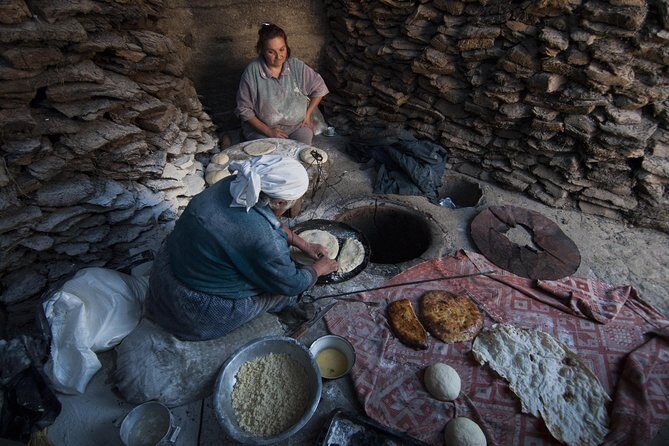
- Lavash baking masterclass plus tasting fresh-made flatbread
- Garni Temple (77 A.D.) and its Greek-Roman bath-house mosaic
- Symphony of Stones with dramatic column-like volcanic rocks
- Geghard Monastery churches carved into solid rock in Armenian architectural style
- Charents Arch for a final Ararat-and-valley viewpoint
The day’s magic starts at Khor Virap’s Mount Ararat foot
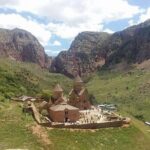
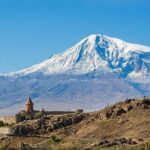
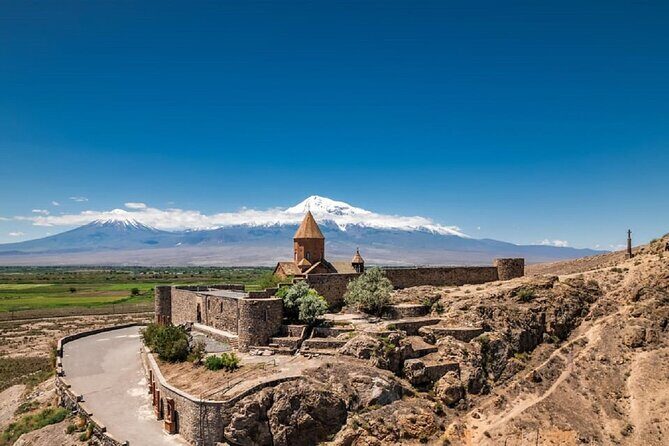
Khor Virap is where the whole Ararat obsession begins. The monastery sits at the foot of Mount Ararat, and on a clear day the mountain is the main character. It’s not just a scenic stop—you get context right away.
This is also the place tied to Saint Gregory the Illuminator. He was imprisoned here before playing a key role in bringing Christianity to Armenia. That history matters because Armenia’s Christian story isn’t just a date on a poster—it’s built into the way people understand place, power, and faith.
You’ll have about 50 minutes here. That’s usually enough time to walk, take photos, and absorb the story without feeling like you’re trapped in a queue. Also, admission tickets are listed as free for this stop, so you aren’t paying extra just to stand somewhere dramatic.
What to watch for: Ararat views depend on the weather. If the sky is hazy, still enjoy the monastery setting and the meaning of the site. Clear views are a bonus, not a guarantee.
A few more Yerevan tours and experiences worth a look


Azat Reservoir: the scenic breather between major monuments
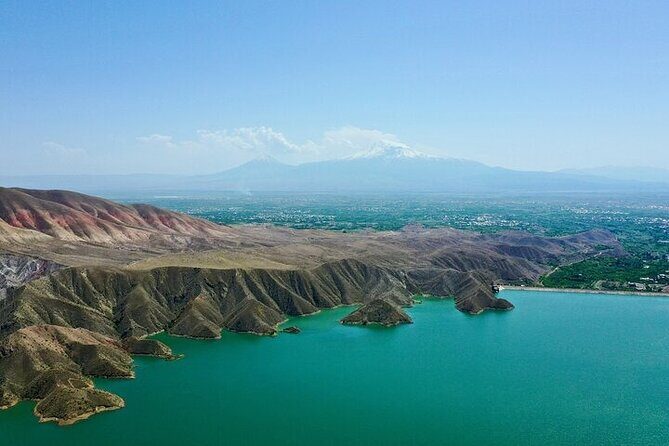
After the big history stop, the Azat Reservoir pause feels like a palate cleanser. You get around 25 minutes here, which is short—but the point isn’t to do a full hike. It’s to reset, look around, and grab photos with a calmer vibe.
The reservoir area gives you wide, open views and softer surroundings compared with monastery walls and temple ruins. It’s also a good moment to take a few photos that don’t all look like the same angle. If you’re the type who likes variety in a day, this helps.
Admission is also listed as free for this stop, so you’re paying with time, not ticket costs.
My practical tip: wear comfy shoes and use this stop to re-check your phone camera settings. If Ararat is visible later, you’ll want to capture it fast when the light hits.
Garni Temple (77 A.D.): when Roman-era ruins meet Armenian pride
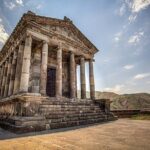
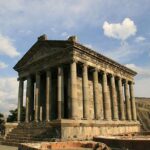
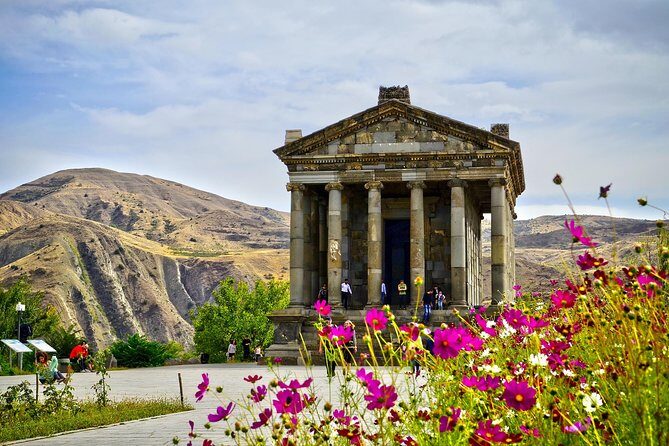
Garni Temple is one of those places that makes you stop and think, wait—this really is the only one like it in the region. The temple dates to 77 A.D., and it’s described as the only standing heathen temple in the whole post-Soviet area. That alone makes it unusual on a map.
From the high plateau, you also get sweeping views over the Azat River gorge. The setting is practical for photos because you’re not hunting around in the shadows of modern buildings.
What I love here is the mix of structures:
- The temple itself
- The Greek-Roman bath house with a mosaic made from 30,000 pieces of natural stone
- The ruins of the royal palace
You’ll get about 1 hour at Garni, and admission is included. That hour usually gives you enough time to see the main temple, look closely at details if you’re into it, and still have a few minutes for wide shots.
Consideration: this stop can feel busy because it’s a very “everybody wants the same photo angle” kind of location. If you’re patient, you’ll get your turn.
Symphony of Stones: volcanic columns that look like stage props
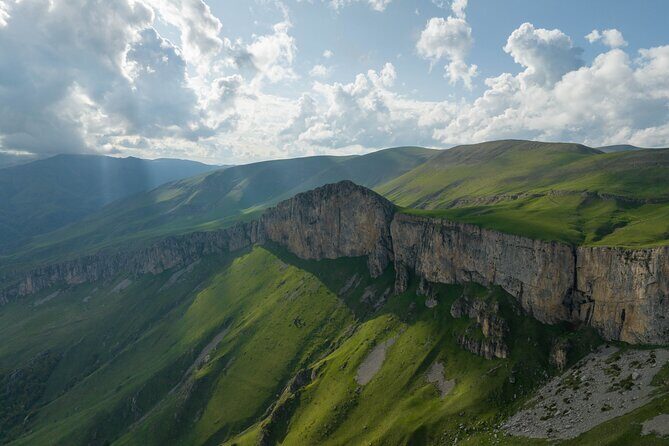
Next is the Symphony of Stones, a natural wonder shaped by volcanic activity. The formations are described as tall, column-like rocks that create a dramatic, almost engineered-looking scene.
You’ll spend about 40 minutes here. That’s a good length: enough time to walk around the viewpoint areas, take photos from a couple angles, and not feel like you’re being rushed through a nature stop.
Admission is included, so the value is built in. And this is one of the moments where the day stops being only about human history and becomes about the land itself.
What you’ll enjoy most: the contrast. You go from monastery stories and ancient temples to a place where nature is the storyteller. It also makes a nice break from sitting in the vehicle.
Practical note: bring a light layer. Stone sites can feel cooler than you expect, especially if the day starts crisp.
Geghard Monastery: the church-in-rock experience you’ll remember
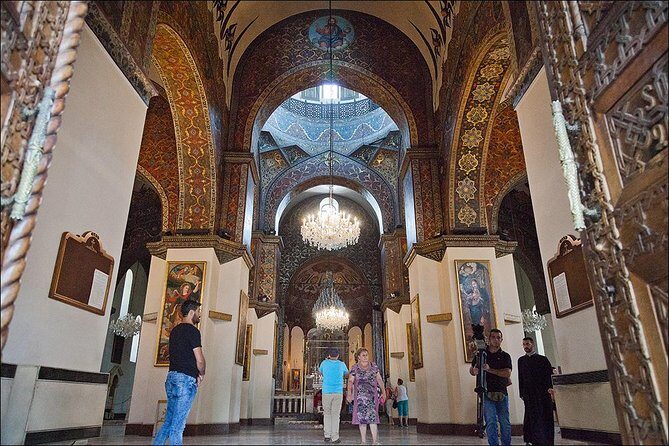
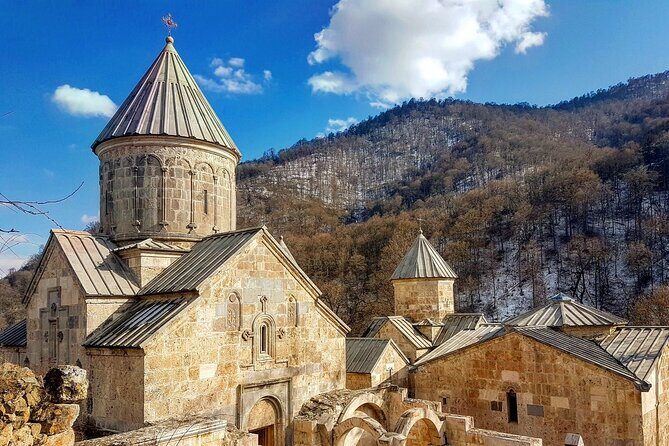
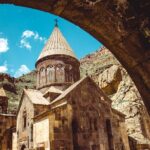
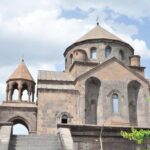
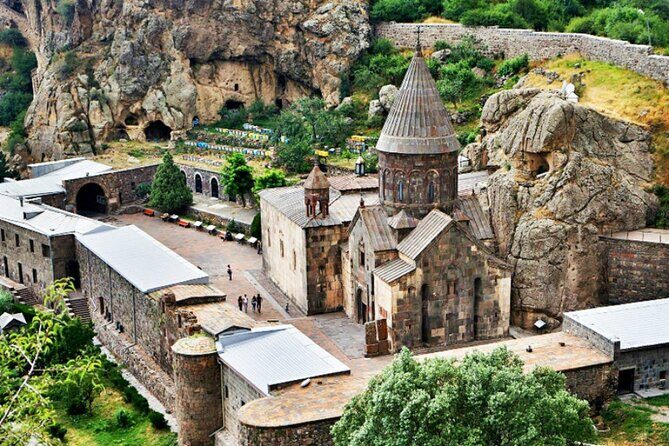
If there’s one stop that feels deeply “Armenia,” it’s Geghard Monastery. The complex is tied to Saint Geghard, symbolizing the lance associated with Jesus after the crucifixion. The lance, as described, was brought to Armenia and kept there for five centuries.
Geghard also shows Armenia’s architectural Golden Age. The complex presents the 13th century, known for major achievements in design. But the most astonishing part is how the churches are constructed.
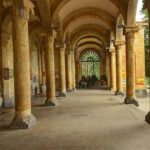
Instead of building on top of rock, the churches are described as drilled into solid rock using Armenian architectural rules. That means you’re not just looking at old buildings—you’re looking at a style that shapes the landscape into architecture.
You’ll have about 50 minutes here, with free admission for this stop. That’s a strong amount of time for a site that can easily make your brain go quiet while you stare at the rockwork.
Watch for: Geghard has a lot to look at. If you try to take in every carved detail, you’ll lose time. Pick a couple areas to study closely and then switch to wide-angle photos and overall context.
Charents Arch: your final Ararat viewpoint
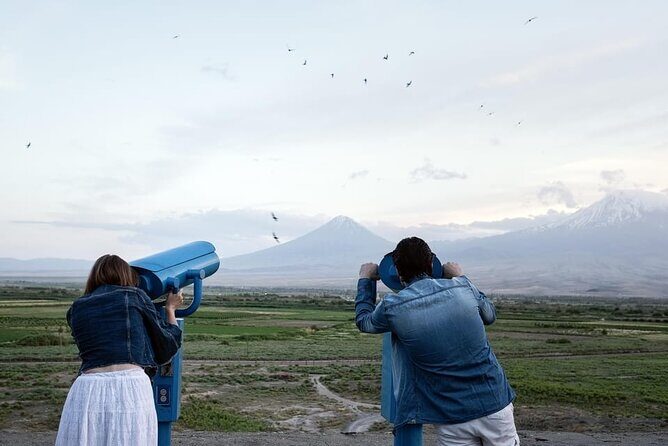
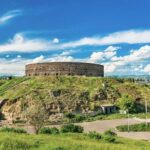
At Charents Arch, the itinerary tightens into a viewpoint mission. You’ll have around 15 minutes, and the goal is simple: see Mount Ararat and the valley below.
This is the kind of stop that matters even if the mountain isn’t perfectly clear. The arch itself frames the view in a way that makes photos look composed rather than accidental. If you’re lucky with weather, this is the moment that gives you your cleanest Ararat shot of the day.
Admission is free here, too. So even though it’s short, it’s not a “pay to stand there” stop.
My advice: treat Charents Arch like a photo sprint. Camera ready, water handy, and no wandering. Once you’ve got your shots, you can enjoy the view without feeling guilty about time.
Food and snacks: lavash masterclass plus local sweet gata
Food isn’t an afterthought on this trip. You’ll sample fresh-made lavash bread, and there’s also a lavash baking masterclass included. That’s the kind of experience that turns bread from a menu item into a story you can repeat at home.
The day also includes bottled water and local sweet “gata.” That’s useful when you’re switching sites all day. You’ll want small energy boosts before you sit down for anything heavier.
Lunch is not included, and the listing notes an estimated cost range of €6 to €14 per person. That means you should budget for a proper meal at a restaurant stop. In practice, lunch is often the time when you relax a bit and talk about what you’ve just seen—so don’t skip it mentally just because it costs extra.
Practical tip: bring a snack if you’re the type who gets hungry between stops. You’ll have water and gata, but having a little extra doesn’t hurt.
Price and value: what $33.85 buys you in real time
At $33.85 per person, this is priced like a bargain for the amount of ground you cover. The key is what’s included:
- Guide service
- Entry tickets (listed as included or free across stops)
- Bottled water and gata
- Comfortable vehicles with Wi-Fi
- Lavash baking masterclass
When a day trip includes both transportation and multiple sites with tickets, the value usually comes down to one thing: how smoothly the schedule runs. The day is built around tight stop blocks—Khor Virap (about 50 minutes), Azat Reservoir (about 25), Garni (about 1 hour), Symphony of Stones (about 40), Geghard (about 50), Charents Arch (about 15).
That’s not leisurely, but it’s efficient. It’s also why you’ll feel it if you prefer long hangs at monuments. One piece of feedback you should take seriously is that the pace can feel like a “full lap.” That doesn’t mean it’s poorly run; it just means you should go in knowing you’re seeing a lot in one day.
For best value: go with a camera mindset, not a “let me read every stone for an hour” mindset.
Getting the story right: guides, mic checks, and time management
A day trip rises or falls on the guide. Here, the guide role is central: you get history and context throughout the driving and at each stop. In prior departures, English-speaking guides such as Nare and Nektar have been highlighted for clear explanations and strong engagement with the group. You might also meet drivers like Egor, known for safe, smooth driving.
One small but important detail: the vehicles are described as having Wi-Fi, and in the real-world experience of guided tours, the working mic matters. When the guide can speak clearly, you don’t have to constantly lean in while the group is moving.
Most of the time, the day works because the guide helps you manage your time: when to look closely, when to move for the best photos, and when to step back and enjoy the view.
Practical tip: if you like asking questions, this is a good day for it. With stops close together, you’ll get quick answers and you won’t feel like your curiosity is slowing the group too much.
Logistics you’ll actually care about (meeting point, timing, group size)
The tour starts at 9:00 am from the Alexander Tamanian Statue, 10 Moskovyan pokhoc, Yerevan 0009, Armenia. It ends back at the same meeting point.
Duration is listed as 8 to 9 hours. Expect that to include driving time between sites plus your allotted visit times.
Group size is capped at 50 travelers, which is large enough to feel lively but small enough to keep the day from turning into chaos. You also get a mobile ticket, and the tour is offered in English.
The meeting point is described as near public transportation, so you’re not totally dependent on a taxi if you’re already moving around Yerevan.
What to pack: comfortable walking shoes for monastery and temple areas, a camera-ready outfit, and a light layer for the stone and rock stops.
Who should book this day trip?
This is a smart choice if you:
- Want a high-impact day beyond central Yerevan
- Care about Armenian history tied to real places, not just facts
- Like photo stops where the scenery is part of the experience
- Enjoy small upgrades like Wi-Fi, water, and organized pacing
It may not be ideal if you:
- Hate a tight schedule and want long stays at each site
- Need a fully relaxed day with minimal walking and fewer transitions
Best match: first-time visitors who want to see the big names—Khor Virap, Garni, Geghard, and the Ararat viewpoints—without renting a car.
Should you book the Khor Virap, Azat Reservoir, Garni & Geghard trip?
I’d book it if your goal is maximum Armenia in one day with clear guidance and included experiences. The combination of Khor Virap’s Christian origin story, Garni’s ancient Roman-era temple details, and Geghard’s churches carved into rock gives you three very different kinds of “why this place matters.” Add in the lavash baking masterclass and you get something hands-on, not only scenic.
Just go in knowing the day is full. You’re buying efficiency, not slow travel. If that fits your style, this is a strong value at $33.85 with tickets, water, snacks, and entry costs handled for you.
FAQ
What is the duration of the Khor Virap, Azat Reservoir, Garni & Geghard day trip?
The tour runs about 8 to 9 hours.
How much does the tour cost?
The price is listed as $33.85 per person.
What language is the tour offered in?
It’s offered in English.
Where does the tour start and what time does it begin?
It starts at the Alexander Tamanian Statue (10 Moskovyan pokhoc, Yerevan 0009) at 9:00 am.
What’s included in the price?
Included are the guide service, entry tickets, bottled water, the local sweet gata, comfortable vehicles with Wi-Fi, and a lavash baking masterclass.
Is lunch included?
Lunch is not included, and the listing notes an estimated cost of €6 to €14 per person.
Can I get a full refund if I cancel?
Yes. Free cancellation is available up to 24 hours in advance for a full refund.
Is the tour suitable for children?
Children can participate, but they must be accompanied by an adult.