REVIEW · YEREVAN
Private Tour to Garni Temple, Geghard & Khor Virap Monasteries, Azat Reservoir
Book on Viator →Operated by Jan Armenia Tours · Bookable on Viator
Ararat views plus ancient Armenia in one day. What I like most is how this private route connects big spiritual stops with real scenery, without wasting your morning on logistics, and it gives you time to actually look up at the Ararat views. Khor Virap hits hard with the story of Gregory the Illuminator and a dramatic view of Ararat from the monastery grounds. Geghard is the one that feels most special in person: it’s a medieval cave monastery with UNESCO-level status. One drawback to plan for: the day is busy, and Garni Temple has an extra entrance fee (plus lunch is not included).
You’ll book this as a private group (up to 3) with hotel pickup and drop-off in Yerevan. It runs about 9 hours, offers English, and includes an air-conditioned vehicle, WiFi on board, and bottled water, so you’re not stuck feeling tired and overheated between sites.
In This Review
- Key highlights worth circling
- A private 9-hour route from Yerevan: how the day actually flows
- Khor Virap: the prison that turned into a pilgrimage site
- Azat Reservoir: a quick photo stop with big scenery payoff
- Geghard Monastery: a UNESCO cave monastery you can actually feel
- Garni Temple: Armenia’s only preserved pagan temple
- Charents Arch: short stop, serious Ararat panorama
- Price and logistics: why $125 per group can be a smart deal
- Comfort tips for a day that can switch moods fast
- Guides, drivers, and the difference between seeing and understanding
- Who should book this tour
- Should you book this Garni–Geghard day trip?
- FAQ
- How many people is this private tour for?
- Where does the tour start in Yerevan?
- What’s the total duration of the tour?
- Do I get hotel pickup and drop-off?
- Is the tour offered in English?
- Are tickets included for all stops?
- Is lunch included in the price?
- What’s included for comfort during the drive?
- Do I need to book far in advance?
- Is the tour weather dependent?
Key highlights worth circling
- Khor Virap’s Gregory the Illuminator story: a monastery built on the royal prison site tied to the first head of the Armenian Apostolic Church
- Geghard’s cave setting (UNESCO): a 4th-century cave monastery built around a sacred spring
- Ararat viewpoints at multiple stops: Khor Virap + Charents Arch give you repeated chances to frame that iconic mountain
- Garni as the classic contrast: Armenia’s only preserved pagan temple, then a quick hop into Christian-era history
- Comfort built into the transport: A/C, WiFi, and water for a long day of driving and short walks
A private 9-hour route from Yerevan: how the day actually flows
This is a “high sights per hour” kind of outing, which is great if you have limited time in Armenia and want the headline stops in one go. You’ll typically spend about 45 minutes at Khor Virap, 30 minutes at Azat Reservoir, 45 minutes at Geghard, 45 minutes at Garni, and about 15 minutes at Charents Arch, with driving time filling the rest of the day (the total is listed at about 9 hours).
What makes this format work for me is the mix: you’re not bouncing only between churches or only between ruins. You get a prison-and-pilgrimage story, a medieval cave monastery, a pagan temple that survived major historical chaos, and then quick breaks where the scenery does the talking.
The tour is priced at $125 per group (up to 3), and it includes pickup/drop-off, private transportation, bottled water, WiFi, and taxes/fees. Mobile tickets are included too, so you’re not juggling paperwork all day.
You can also read our reviews of more private tours in Yerevan


Khor Virap: the prison that turned into a pilgrimage site
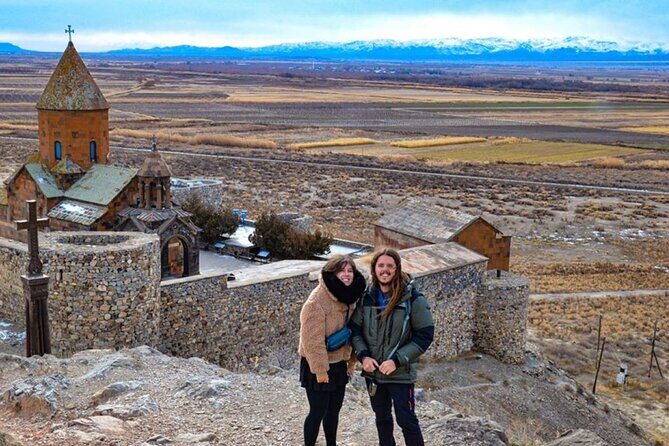
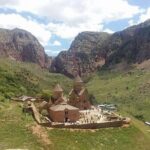
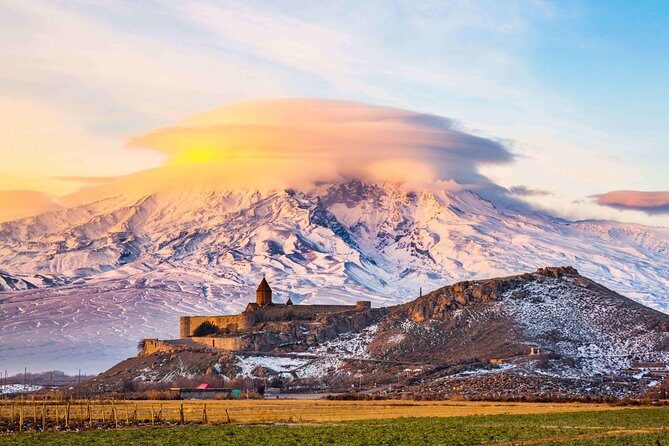
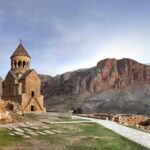
Khor Virap is one of Armenia’s best-known spiritual stops, and it earns that reputation. The monastery dates to 642, and the Armenian name translates as deep hole—a nod to the site’s history as a royal prison.
Here’s the key story: Khor Virap is built on the location where Gregory the Illuminator was imprisoned by an Armenian king. He was held for 13 years, before becoming the patron saint and the first official head of the Armenian Apostolic Church. That makes the visit feel more than scenic. It’s history you can trace through the place itself.
And then there’s the view. From the monastery territory, you get a distinctive line of sight to the biblical mountain Ararat. If you’re timing your photos, don’t assume the best moment is only at the first overlook—take a few minutes to wander inside the monastery grounds and find the angle where Ararat looks cleanest against the sky.
Practical note: Khor Virap gives you about 45 minutes, so come in ready to soak up the story, take your photos, and still move on. This is not a slow, linger-and-read-every-stone stop. It’s a powerful “got it” kind of place.
Azat Reservoir: a quick photo stop with big scenery payoff
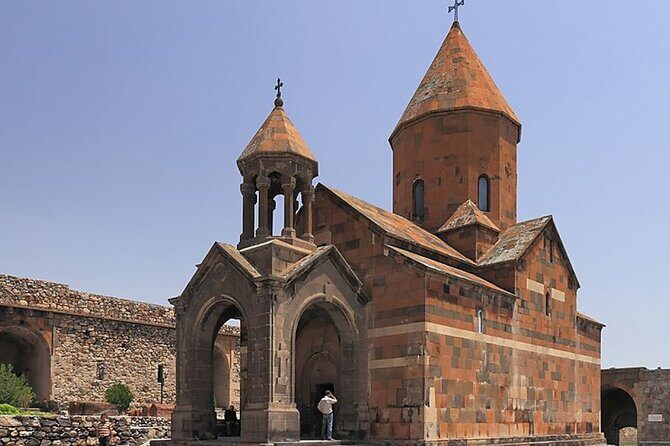
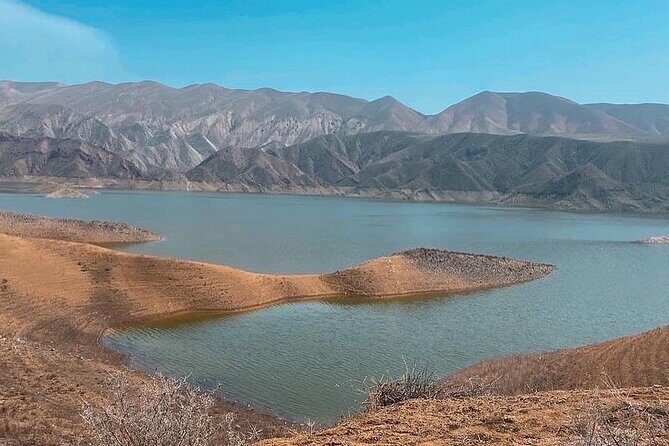
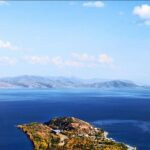
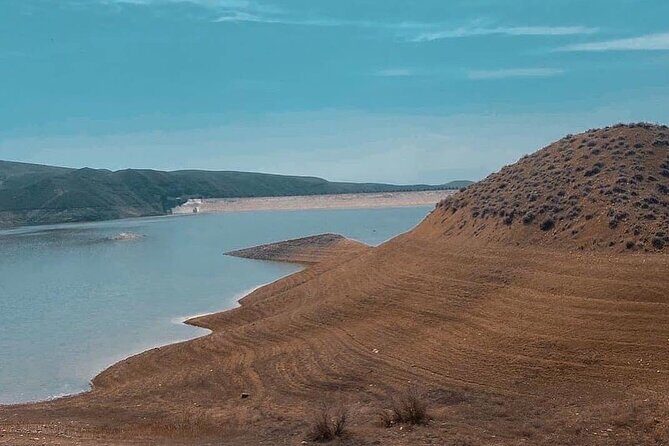
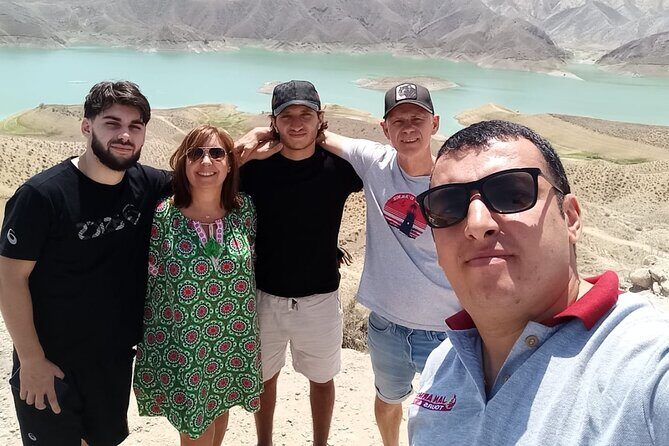
After the spiritual intensity of Khor Virap, the day shifts into nature mode at Azat Reservoir. This stop is about 30 minutes, and it’s built around one simple goal: a photo break near the water with the Ararat region as the backdrop.
The reservoir sits fairly close to the Garni area, so this is a natural connector stop. You’re not meant to do a deep hike here. You’re meant to step out, get your camera ready, and enjoy that Armenia rhythm where history and scenery trade roles.
Bring a lens you like for landscape-style shots, but also don’t forget your “quick detail” photos—light can change fast, and water can reflect color in a way that looks different even over short time spans.
Geghard Monastery: a UNESCO cave monastery you can actually feel
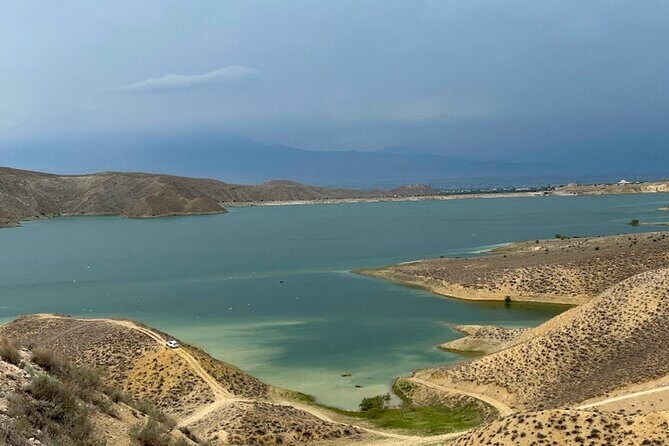
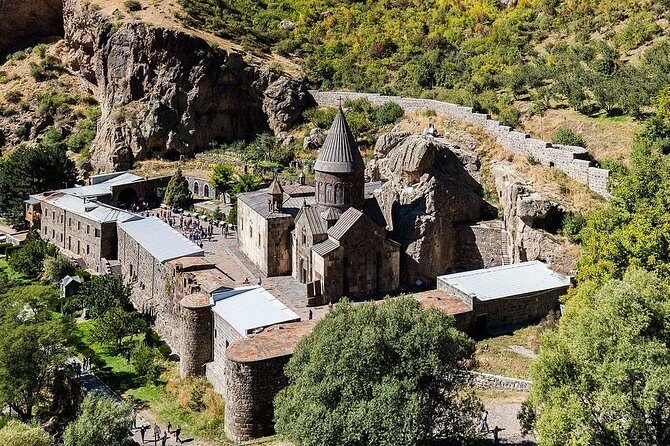
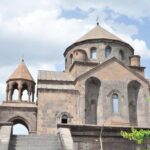
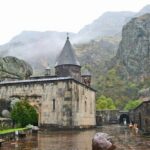
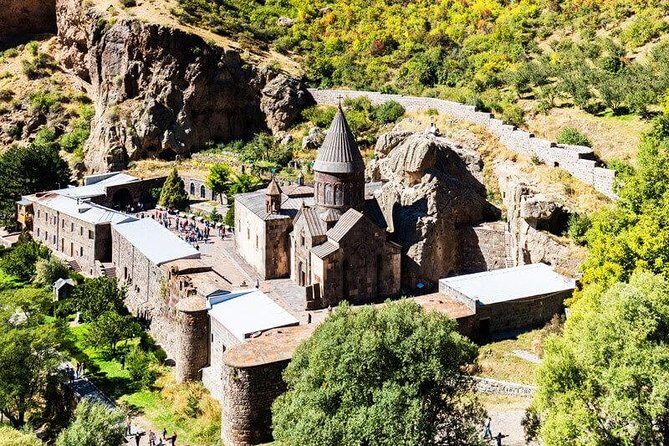
If you want one stop that most consistently surprises people, Geghard is it. This monastery complex is completely hollowed out in a cave, which is why it’s often called a cave monastery. It was founded in the 4th century AD, built around a sacred spring that originates in the cave.
Geghard also brings an Old Testament/New Testament link through its name. The name is tied to the Langin’s spear, believed to have pierced Jesus Christ. The spear itself is kept in the museum of Etchmiadzin—so when you’re there, you’re standing in a site connected to a broader religious story, even if the main relic isn’t onsite.
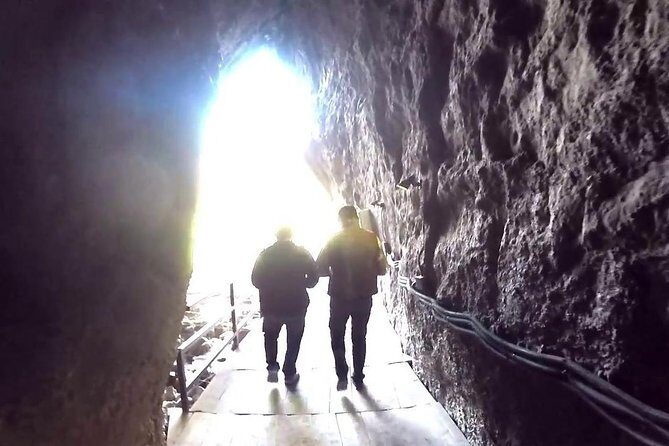
UNESCO status matters here not as a label, but because it’s a good clue that the architecture is genuinely exceptional. The cave setting shapes everything: the way you walk, the way you look for light, and the way the place feels like it’s made rather than decorated.
You get about 45 minutes. That’s enough to see the main cave spaces and take in the core atmosphere, especially if you keep your questions focused. One word of advice: dress for cool cave air even in warmer months, since caves can feel noticeably different from outside.
Garni Temple: Armenia’s only preserved pagan temple
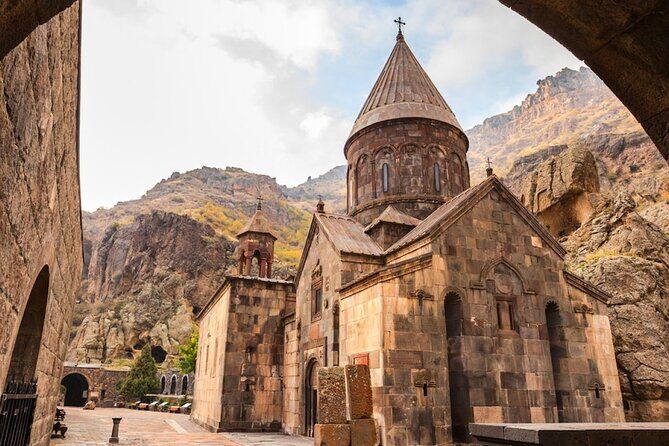
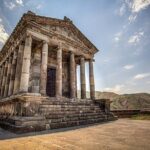
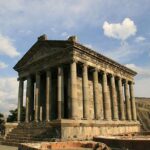
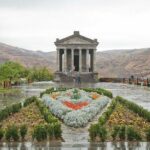
Garni Temple is where the day becomes a history-contrast lesson. This is the pagan temple of Garni, built in the second half of the 1st century by King Trdat III. The big selling point is simple: it’s the only pagan temple preserved in Armenia’s territory.
When Christianity arrived, Garni didn’t vanish. Instead, it became the summer residence of Khosrovadukht, sister of King Trdat III. Then came the part that makes Garni feel real rather than perfect: the temple was destroyed in 1679 by an earthquake. You’ll see the remains—fragments of columns and wall stones spread around the site.
It’s also associated with Mithra, the god of the sun. So even though this is a Christian era country in many ways, Garni helps you understand that Armenia’s past includes serious pre-Christian layers too.
Time at Garni is about 45 minutes, and here’s the money part: Garni Temple admission is not included in the tour price. You’ll want to plan extra for the ticket on arrival (the exact amount isn’t listed here).
Also, keep an eye on the area timing because this route is described as covering the Garni region in a way that often includes the rock formation known as Symphony of the stones, and the tour notes that entrance fees for Symphony of the stones are not included. Translation: you may see extra paid entry somewhere around this stop area, even if most other stops are free.

Charents Arch: short stop, serious Ararat panorama
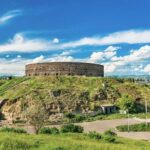
Charents Arch is easy to miss if you’re judging it from first glance. The spot is located near Yerevan in the village of Vokhchaberd, between Garni and Geghard. At first, it can look like a simple arch, not much more.
Then you go inside and onto the platform. The difference is the point of the visit: the arch frames a panorama of Ararat, letting you feel like the mountain is part of the view composition rather than just a distant target.
This stop is brief—about 15 minutes—and admission is listed as free. In practice, that means you’ll want to have your camera ready when your group reaches the arch. Don’t spend the first two minutes deciding where you’ll stand. Pick your spot fast, take a few shots, and you’ll still have enough time to enjoy the moment without feeling rushed.
Price and logistics: why $125 per group can be a smart deal
Let’s talk value like adults.
At $125 per group up to 3 people, you’re paying for a private day with pickup and drop-off in Yerevan, air-conditioned private transport, WiFi onboard, and bottled water. Taxes and fees are included, and mobile tickets are part of the package.
Most stops on the route list free admission:
- Khor Virap: admission free
- Azat Reservoir: admission free
- Geghard: admission free
- Charents Arch: admission free
That leaves the paid pieces:
- Garni Temple entrance is not included
- Symphony of the stones entrance fees are not included
- Lunch is not included
So your real “budget math” is: tour price + Garni/Symphony of Stones ticket(s) + lunch. If you’re splitting between up to three people, it tends to stay reasonable compared with paying for separate taxis, separate guides, and separate entry tickets on a self-planned day.
For me, the real value is not just money. It’s the time saved. You avoid scheduling headaches and you get a driver who knows the route, which matters on a day where you’re hopping between places in different directions around Yerevan.
Comfort tips for a day that can switch moods fast
This tour requires good weather. That matters because the day runs between multiple outdoor viewpoints and historic sites, where visibility is part of what makes the stops worth it.
One practical strategy: pack layers. Even if you’re traveling in a season that usually feels stable, weather can flip. In past outings, people described snow around Geghard and then sudden warmth later. If that happens to you, you’ll be glad you brought something warm.
Footwear counts too. You’ll move around monastery and temple areas, plus you’ll step onto viewpoints. Comfortable shoes help you enjoy the day instead of just surviving it.
Lunch is not included, so decide your plan ahead of time. If you like eating in a typical Armenian restaurant, your driver and guide (if requested) can usually help you fit a meal into the schedule. Just don’t expect it to be baked into the price automatically.
Guides, drivers, and the difference between seeing and understanding
This tour includes a professional driver and a guide service upon request. Even when you travel without a guide, having a driver who can keep you on schedule and explain basics helps a lot when you’re learning Armenian history on the fly.
The strongest pattern in the feedback is comfort and clarity. People repeatedly praised friendly drivers and guides who explain what you’re seeing in plain language, not just dates. Some past pairs included guides such as Arev, Anna, and Vaag, with drivers like Davit, Ara, and Gevorg. A manager named Luiza was also described as responsive on WhatsApp when questions came up.
If you care about context, request the guide service. It turns the stops from checklist items into a story you can follow: Gregory’s imprisonment becomes a reason for a pilgrimage; Geghard’s cave becomes a setting for how faith shaped architecture; Garni shows you how pre-Christian history survived.
Who should book this tour
This tour is a great fit if:
- You’re doing a first visit to Armenia and want the major highlights in one day
- You like history tied to specific places, not just general facts
- You want private comfort for up to 3 people, with A/C and WiFi to make the travel less tiring
- You enjoy viewpoints and want multiple chances to frame Ararat
It may be less ideal if:
- You want long, slow visits with lots of free time at each site
- You dislike paying extra for entrances at the Garni area (Garni Temple and possibly Symphony of the stones)
- You’re traveling when weather might be unstable, since the experience needs good conditions
Should you book this Garni–Geghard day trip?
I’d book it if you want a single, well-connected day that balances sacred sites, medieval architecture, and Ararat viewpoints—without the stress of renting a car or piecing together directions yourself. The pricing works especially well for small groups, since most stops are free and you only budget extra for the paid entrances around Garni plus lunch.
If you’re flexible on weather and okay with a schedule that keeps each main stop around 15–45 minutes, this is the kind of day that gives you big Armenia energy fast. And if you care about understanding the stories behind what you’re seeing, request the guide service so the history lands along the way, not after you’ve already left.
FAQ
How many people is this private tour for?
It’s a private tour for your group, up to 3 people.
Where does the tour start in Yerevan?
The start point is Jan Armenia Tours and Travel2 Abovyan poxoc, Yerevan 0010, Armenia.
What’s the total duration of the tour?
The duration is about 9 hours.
Do I get hotel pickup and drop-off?
Yes, hotel pick-up and drop-off are included.
Is the tour offered in English?
Yes, it’s offered in English.
Are tickets included for all stops?
Admission is listed as free for Khor Virap, Azat Reservoir, Geghard Monastery, and Charents Arch. Garni Temple admission is not included, and entrance fees for Symphony of the stones are also not included.
Is lunch included in the price?
No, lunch is not included.
What’s included for comfort during the drive?
You get an air-conditioned vehicle, bottled water, and WiFi on board.
Do I need to book far in advance?
On average, this tour is booked about 20 days in advance.
Is the tour weather dependent?
Yes. The experience requires good weather, and if it’s canceled due to poor weather you’ll be offered a different date or a full refund.