REVIEW · YEREVAN
Private tour to UNESCO heritage Echmiadzin churches, Zvartnots and Sardarapat
Book on Viator →Operated by Hyur Service · Bookable on Viator
If you like church history, this day hits hard. You’ll visit several UNESCO-listed sites close together, with a private group feel, hotel pickup and drop-off, and a guide who can connect the dots between faith, politics, and Armenian identity. Two things I especially like here are the tight pacing (you see five major stops in a single outing) and the peace of mind of a professional driver + guide team, including names like David, Airpin, Tamara, and Meline I’ve seen people credit for clear explanations. One possible drawback: the Mother Cathedral at Etchmiadzin may only be visible from the outside because of reconstruction, so plan your expectations.
This is also the kind of day trip that works well for a first time in Armenia. You’ll start at the Etchmiadzin complex, then move through St. Hripsime and St. Gayane, catch the dramatic ruins view at Zvartnots, and finish at Sardarapat’s symbolic memorial in the Ararat valley. Because it’s private for up to 3 people, you’re not stuck waiting on a crowd—your guide can keep the day comfortable and tailored to your pace.
In This Review
- What Makes This Private UNESCO Route Worth Your Time
- The Best Part: A Clean, Efficient Day Plan (With Time to Breathe)
- Stop-by-Stop: Etchmiadzin, Hripsime, Gayane, Zvartnots, Sardarapat
- Etchmiadzin Monastery and the Mother Cathedral (UNESCO)
- St. Hripsime Church (UNESCO)
- St. Gayane Church (UNESCO)
- Zvartnots Temple Ruins (UNESCO)
- Sardarapat Memorial in the Ararat Valley
- Price and Value: What $116.10 Gets You (And What Costs Extra)
- How the Private Guide Changes the Experience
- Pacing, Comfort, and Weather: Real-World Considerations
- Who This Tour Suits Best
- Should You Book This UNESCO Day Trip?
- FAQ
- How long is the private tour?
- What group size is this tour for?
- Is hotel pickup and drop-off included?
- Is lunch included in the price?
- Are entrance fees included for all sites?
- What entrance fees should I plan for at Zvartnots and Sardarapat?
- Can I see the Mother Cathedral inside?
- Do I need a guide, and what languages are available?
- What happens if the weather is bad?
What Makes This Private UNESCO Route Worth Your Time
This tour is built for people who want history that’s concrete and close-up, not just photos from a distance. In around 6–7 hours, you cover multiple world-recognized religious sites plus a 20th-century memorial, all starting and ending with free transport from your Yerevan hotel.
The “private” part matters more than you might think. When your guide is working only with your party, they can slow down for questions, handle timing better between churches, and keep you from feeling rushed—something guides like Tamara and Hamas have been praised for.
The Best Part: A Clean, Efficient Day Plan (With Time to Breathe)
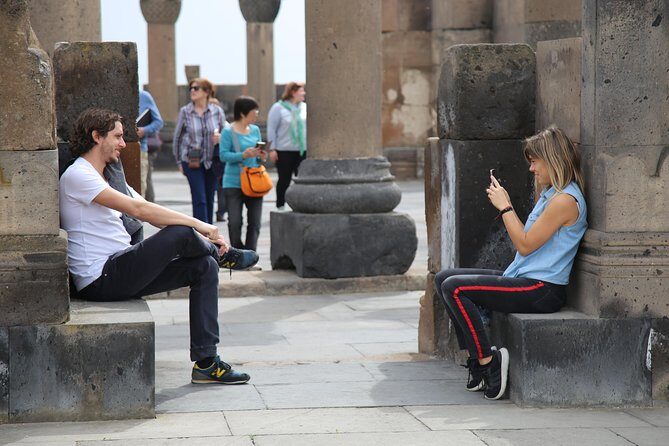
One reason this outing gets a perfect score in practical terms: the stop lengths are realistic. You’re not stuck sprinting between places, and each stop has enough time to take in the setting and the key story points.
Here’s the rhythm you can expect:
- Etchmiadzin Monastery (about 1 hour) to start your day with Armenia’s major Christian landmark.
- St. Hripsime (about 40 minutes) and St. Gayane (about 40 minutes) for two UNESCO church sites with shorter visits that still feel complete.
- Zvartnots (about 50 minutes) where ruins meet big views.
- Sardarapat Memorial (about 1 hour) to close the loop with Armenian resilience and symbolism tied to 1918.
If you like a day that feels organized without feeling stiff, this pacing is a strong match.
You can also read our reviews of more private tours in Yerevan

Stop-by-Stop: Etchmiadzin, Hripsime, Gayane, Zvartnots, Sardarapat
Etchmiadzin Monastery and the Mother Cathedral (UNESCO)
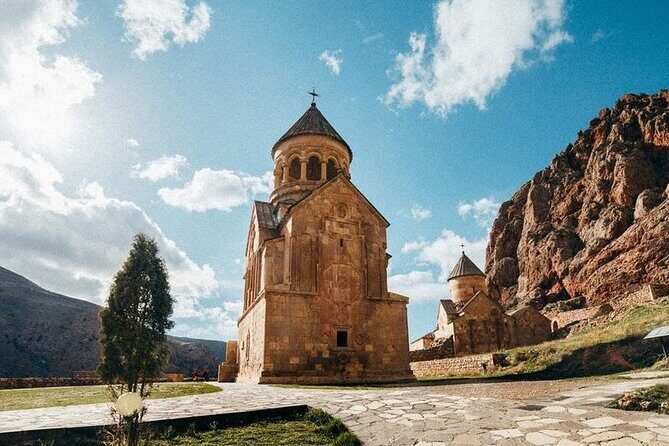
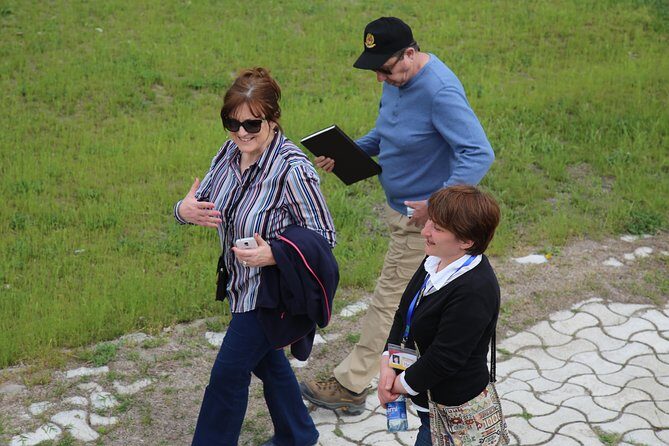
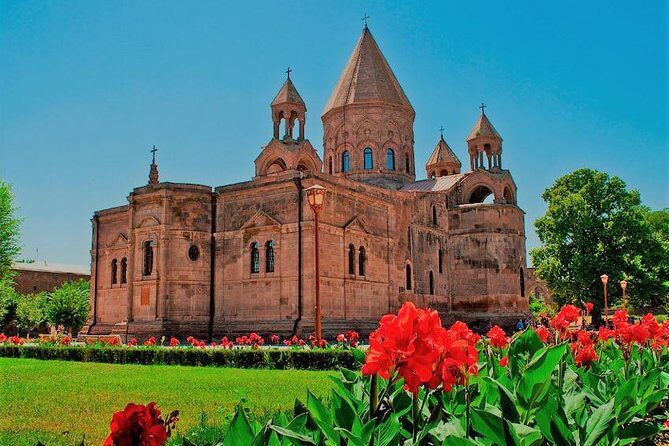
This is the starting heavyweight: the Mother Cathedral of Armenia, described as the 1st Christian church in the world, and a UNESCO heritage site. Expect a full introduction to why Etchmiadzin matters in Armenia’s religious story—and why it became a focal point for identity over centuries.
One key planning note: due to reconstruction works, you might only be able to see the Mother Cathedral from the outside. That can sound disappointing, but it’s also a chance to appreciate the architecture and the sacred layout from a respectful distance. If you’re someone who enjoys history more than “standing inside every building,” you’ll still get value from this stop.
Admission isn’t included, so budget separately for tickets.
St. Hripsime Church (UNESCO)
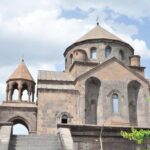
St. Hripsime is another UNESCO stop, with about 40 minutes on the schedule. The main draw here is the tomb of St. Hripsime located at the church.
This is the kind of visit that feels focused: fewer moving parts than the larger Etchmiadzin complex, but still loaded with meaning. Good if you want a quieter, more concentrated church experience after the first stop.
Admission is listed as free.
St. Gayane Church (UNESCO)
Right after Hripsime, you’ll head to St. Gayane, also a UNESCO heritage site. You’ll get about 40 minutes here, and admission is free.
Think of Gayane as your second anchor in the Etchmiadzin-era story. Two churches, both tied into the same broader UNESCO context, lets your guide explain how these sacred spaces fit together in time and tradition.
You can also read our reviews of more historical tours in Yerevan
Zvartnots Temple Ruins (UNESCO)
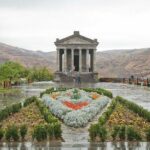
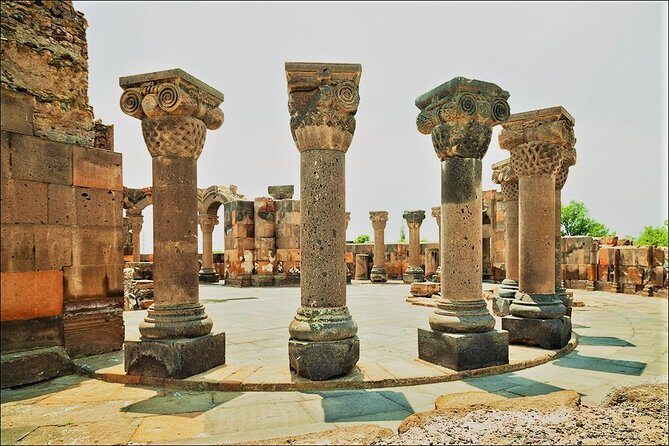
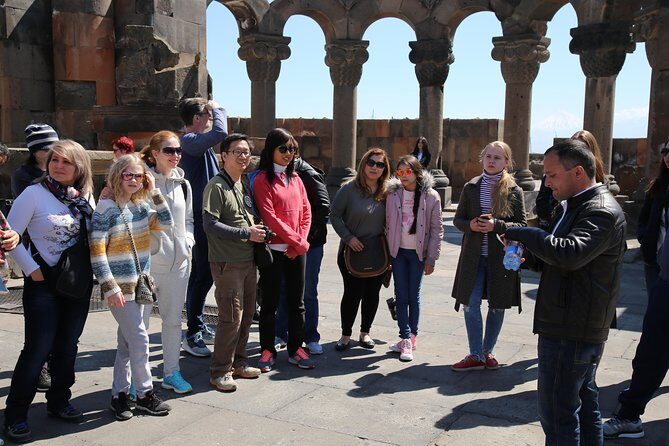
Zvartnots is the “wow, look at that” stop. You’re visiting ruins of the Zvartnots temple, and you’ll get an incredible view along with the site itself. Expect about 50 minutes, with the ruins giving you a sense of scale even when much of the structure is gone.
This is also where a good guide pays off. Ruins can feel like “just stones” if you don’t have context, but with interpretation you start seeing what mattered architecturally and spiritually.
Admission isn’t included, and you’ll want to plan for the entrance fee.
Sardarapat Memorial in the Ararat Valley
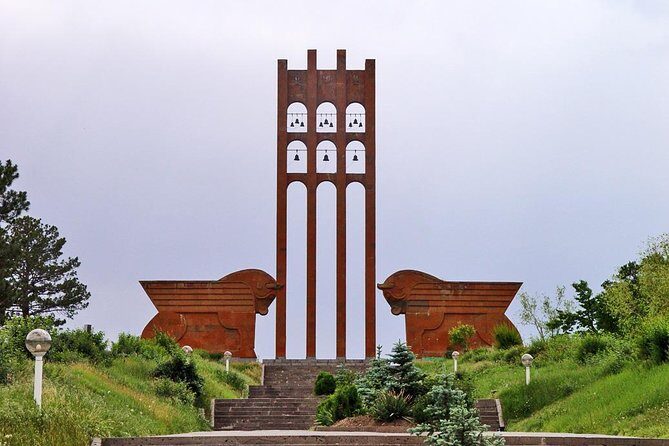
Finish with Sardarapat, a memorial sculptural complex in the sunny Ararat valley. The site uses allegory to represent the Armenian–Turkish battle in 1918 and glorifies the Armenian victory, so it’s not just sightseeing—it’s a national story told through design.
A few details to watch for:
- Large winged bulls near the entrance, described as symbolizing persistence of the Armenian nation.
- An alley fringed by five eagles, leading toward an ethnography museum.
- The museum nearby with exhibitions related to Armenian culture, trades, and crafts.
You’ll have about 1 hour here. Admission isn’t included, so budget for the site fee.
Price and Value: What $116.10 Gets You (And What Costs Extra)
The headline price is $116.10 per group (up to 3), which is a key value point. Instead of paying per person for everything, you’re buying a private day with transport, guiding, and the structure to see multiple major stops efficiently.
What’s included that helps your budget:
- Professional English or Russian speaking guide service if you choose that option
- Air-conditioned vehicle and professional driver
- Bottled water
- Free pickup and drop-off within Yerevan
- Vehicle and passenger insurance
- Extra stops on the route upon request
What costs extra:
- Lunch: 6500–7000 AMD (roughly $17–18)
- Zvartnots and Sardarapat entrance fees: 2300 AMD (about $6) per person
Then there’s the Mother Cathedral and some other site admissions that are specifically marked as not included. Plus, if you see the cathedral only from the outside due reconstruction, you might want to think of your “ticket money” as more about access to the complex area than about entering every interior space.
Bottom line: if you split the group price across friends (or go with family), this can be a smart way to get both UNESCO sites and Armenian memorial history without losing half your day to commuting and ticket planning.
How the Private Guide Changes the Experience
This tour works even if you only use the guide for directions, but it shines when you let them interpret what you’re seeing. People praise guides such as David and Airpin for explaining Armenian history and the context around churches, and Tamara for being patient and never rushing—so you can take photos and ask questions without the day feeling chopped into boxes.
You also get a practical benefit: with a private setup, your guide can help you time the stops around what’s open, what’s under reconstruction, and how long you personally need at each place.
Pacing, Comfort, and Weather: Real-World Considerations
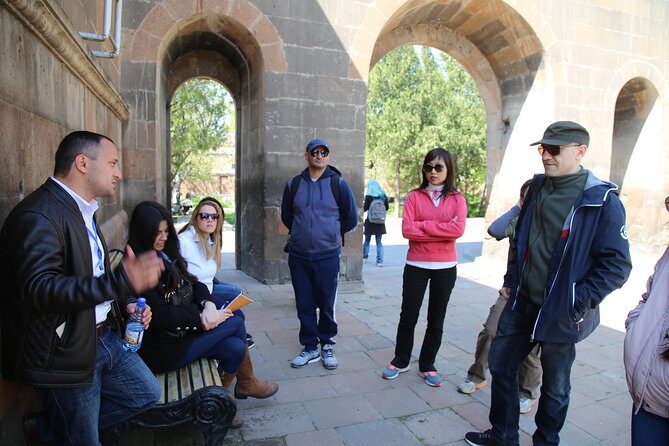
You’re going to spend several hours outside and traveling between sites, so good weather matters here. If conditions are poor, the experience may be canceled and you’ll be offered another date or a full refund.
Transport is handled for you: you’ll ride in an air-conditioned vehicle with bottled water included, and you’ll start and finish with free hotel pickup and drop-off within Yerevan.
Also, the tour states that most people can participate. If you have mobility constraints, you’ll want to ask in advance how much walking is involved at ruins and memorial areas, since the specific terrain isn’t detailed here.
Who This Tour Suits Best
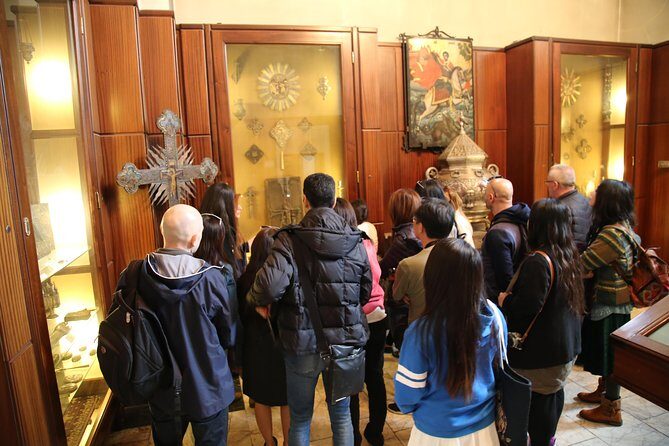
This is a strong fit if:
- You want a first-day or early-trip orientation to major Armenian religious and national themes.
- You care about UNESCO sites and want them grouped efficiently into one outing.
- You prefer private tours where the guide can adapt to your pace.
- You’re traveling with a parent or someone who benefits from a calm schedule; several people highlight the comfortable, not-rushed experience with family-friendly pacing.
It may be less ideal if:
- You expect to tour the Mother Cathedral interior—reconstruction can limit what you see there.
- You dislike adding entrance fees and lunch planning on top of the base tour price.
Should You Book This UNESCO Day Trip?
Yes—if your goal is a high-impact day that combines Armenian Christian heritage with a meaningful 1918 memorial, all from Yerevan. The value is strongest for small groups (up to 3), especially when you want private transport, a guide, and a schedule that doesn’t feel rushed.
Before you book, do two quick reality checks:
- Accept that the Mother Cathedral may be viewable only from the outside due to reconstruction.
- Budget for Zvartnots and Sardarapat entrance fees plus lunch.
If that works for you, this is the kind of structured day that leaves you with both images and understanding, not just a checklist of stops.
FAQ
How long is the private tour?
It lasts about 6 to 7 hours.
What group size is this tour for?
It’s a private tour for your party, up to 3 people.
Is hotel pickup and drop-off included?
Yes. Free pickup and drop-off within Yerevan is included.
Is lunch included in the price?
No. Lunch is not included, and it’s estimated at 6500–7000 AMD.
Are entrance fees included for all sites?
No. Etchmiadzin Monastery (Mother Cathedral), Zvartnots, and Sardarapat have entrance fees that are not included. St. Hripsime and St. Gayane are free.
What entrance fees should I plan for at Zvartnots and Sardarapat?
The entrance fee listed is 2300 AMD per person (about $6).
Can I see the Mother Cathedral inside?
Due to reconstruction works, you may only be able to see the Mother Cathedral from the outside.
Do I need a guide, and what languages are available?
A professional English or Russian speaking guide service is available if you choose the with-a-guide option.
What happens if the weather is bad?
This experience requires good weather. If it’s canceled due to poor weather, you’ll be offered a different date or a full refund.