REVIEW · YEREVAN
Symphony of Stones, Garni, Geghard, photo stop at Charents arch
Book on Viator →Operated by Land of Noah Travel Agency · Bookable on Viator
Basalt columns meet ancient faith in Armenia. This half-day route is interesting because you move fast—from a poetic arch to a pagan sun temple, then to a cave monastery carved into rock. I love how the tour explains the link between paganism and Hellenism through Garni and then flips to early Christianity at Geghard.
I also like the simple, practical format: hotel pickup and drop-off, air-conditioned transport, and an English-speaking experience built for a small group (up to three people). One possible drawback to plan around: the Symphony of Stones stop can be cancelled in winter if conditions are bad, and its entrance is not listed as included.
In This Review
- Quick Take: Why This Tour Works
- Key Points You’ll Care About
- A Half-Day That Threads Paganism to Christianity
- Charents Arch Stop: A Free Poetic Detour
- Garni Temple: Mithra, Trdat, and the Only Pagan-Hellenism Link
- Geghard Monastery: Airivank to Geghard and the Meaning of the Spear
- Garni Gorge: Symphony of Stones and the Weather Rule
- The Drive: Pickup, Private Vehicle, and Small-Group Comfort
- English Commentary and the “Driver-Guide” Advantage
- What the Timing Feels Like (5–6 Hours)
- Ticketing, Admissions, and the One Detail to Confirm
- Value for Money: Paying $91 for a Private Heritage Hit
- Who Should Book This Tour
- Book or Skip? My Honest Take
- FAQ
- How long is the tour?
- How much does it cost?
- Is hotel pickup and drop-off included?
- Is the tour offered in English?
- What stops are included in the itinerary?
- Are entrance tickets included?
- What happens in winter with Symphony of Stones?
- Is food included?
Quick Take: Why This Tour Works
If you want Armenia’s big heritage hits without doing the whole day on the road, this one is a strong match. You get a tight set of stops, enough time at each place to actually look, and you travel comfortably from Yerevan. Just remember that one natural-formation stop depends on the weather.
Key Points You’ll Care About
- Charents Arch for a fast, free photo break: named after Armenian poet Yeghishe Charents, with free admission.
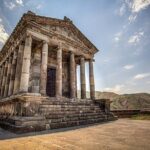
- Garni Temple connects paganism and Hellenism: built in the 1st century AD by King Trdat and dedicated to the sun god Mithra.
- Geghard is a cave monastery with a Christian story behind its name: originally Airivank, later renamed Geghard meaning spear.
- Short stops that respect your time: about 5–6 hours total, with roughly 1 hour at each main monument.
- Your on-road guide can be your driver: the experience is built around a personalized vehicle; in at least one private setup, the driver also acted as an English explainer.
- Winter can change the plan: Symphony of Stones may be cancelled due to weather.
You can also read our reviews of more tours and experiences in Yerevan.

A Half-Day That Threads Paganism to Christianity
This tour is built like a storyline. You start with a modern-sounding name tied to Armenian literature (Charents Arch), then you step into the ancient world with a pagan temple, and you end in one of Armenia’s most famous rock-cut spiritual sites.
The big value is that the stops aren’t random. Garni Temple is tied directly to Armenia’s ancient pagan roots and to Hellenistic influence, centered on Mithra. Geghard then shifts the mood—still ancient, still stone-carved, but now tied to Gregory the Illuminator and early Armenian Christianity.
If you like seeing how one place’s “era” connects to the next, this route does that without dragging. It’s also realistic: the drive from Yerevan is manageable, and the monument time is long enough to slow down and look.
Charents Arch Stop: A Free Poetic Detour
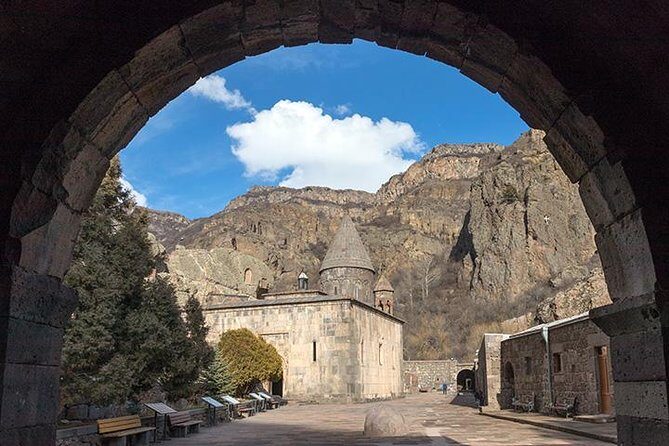
You’ll spend about 20 minutes at Charents Arch, and the good news is simple: admission is free. The arch is named for Armenian poet Yeghishe Charents, so even though it’s not a religious site, it sets a cultural tone right away.
This is the kind of stop that helps you reset your brain after travel. You get a quick stretch of legs, a photo that doesn’t feel rushed, and a local reference point that ties Armenia’s identity to art and language—not just stone monuments.
Practical tip: treat this as a photo break, not a deep dive. If you’re tight on time, use the moment to check your bearings and get ready for the longer religious sites next.
Garni Temple: Mithra, Trdat, and the Only Pagan-Hellenism Link
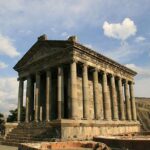
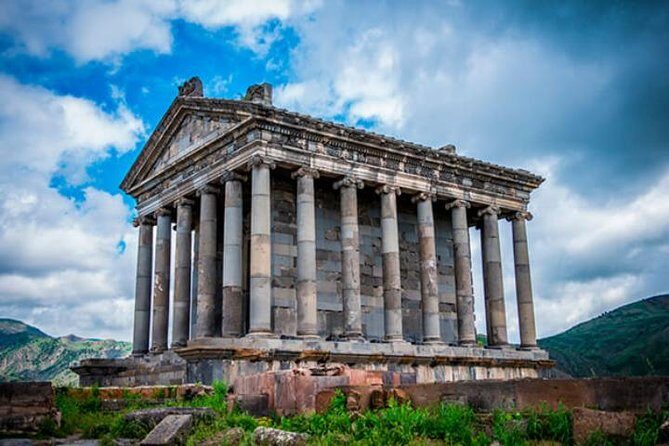
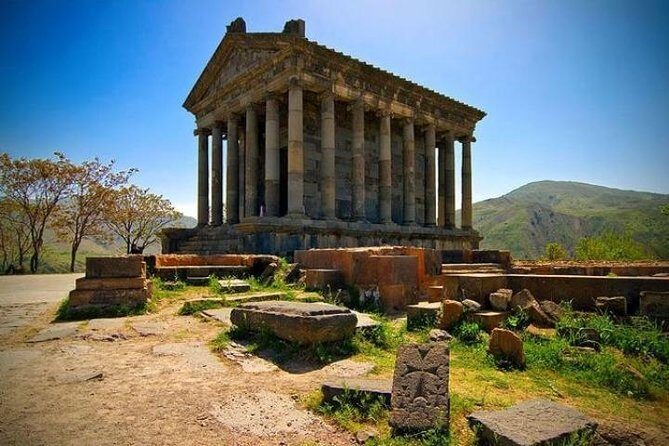
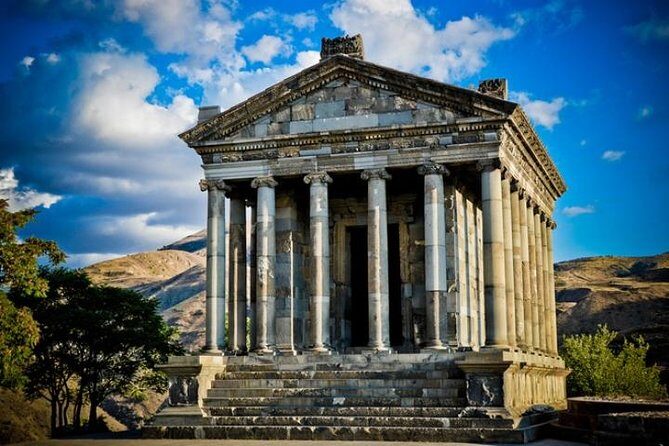
Garni Temple is the first major “wow” stop, and it’s also the one with the clearest ancient anchor. The temple was built in the 1st century AD by Armenian king Trdat, and it’s described as the only monument connecting with the era of paganism and Hellenism—dedicated to the sun god Mithra.
So what do you actually do at the site? You look at scale and symmetry, then you try to place it in its context: this wasn’t a church. It was built for a solar deity and a political-religious world that came before Christianity became dominant in Armenia.
You get about 1 hour here, which is enough time to:
- walk around and take photos
- read the basics and connect the “Mithra / Hellenism” idea to what you’re seeing
- let the guide (if provided) explain the bigger picture in plain language
One note to keep you from surprises: the price breakdown you receive can be inconsistent about entrance tickets. The itinerary says Garni admission is included, but the listed “Not included” items mention Garni entrance tickets. Before you go, confirm exactly what’s covered so you don’t hit the desk and feel stuck.
Geghard Monastery: Airivank to Geghard and the Meaning of the Spear
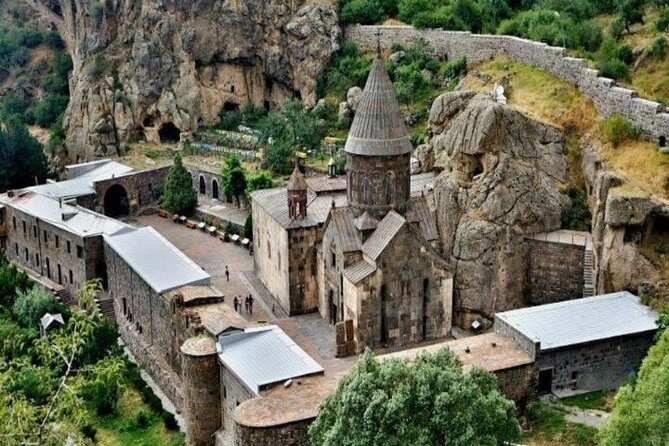
Next comes Geghard Monastery, with about 1 hour on-site. Admission is listed as free, and the site itself is built to reward slow looking.
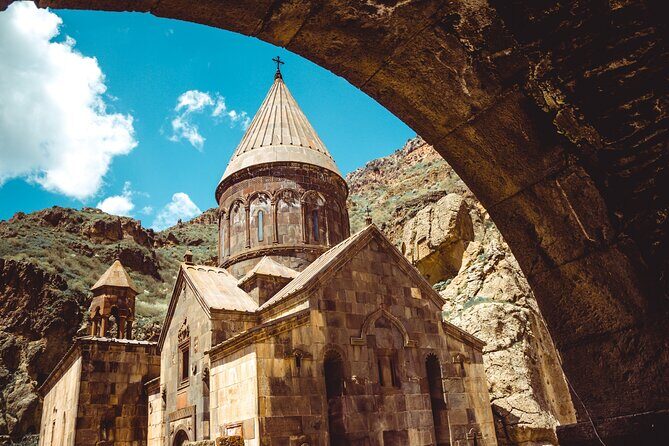
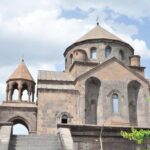
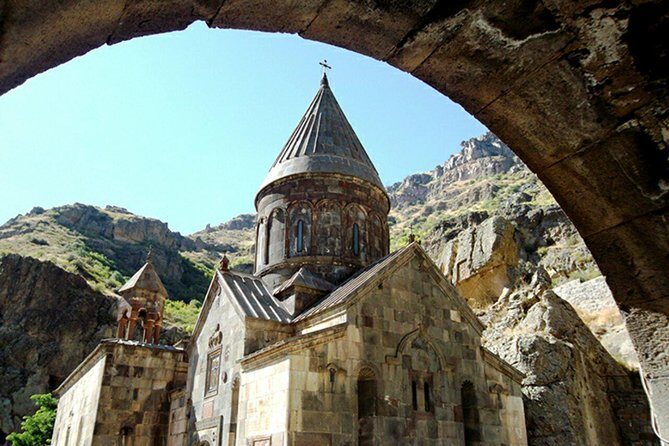
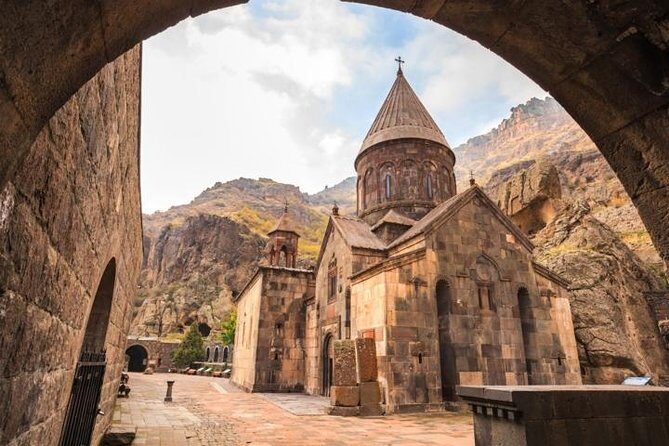
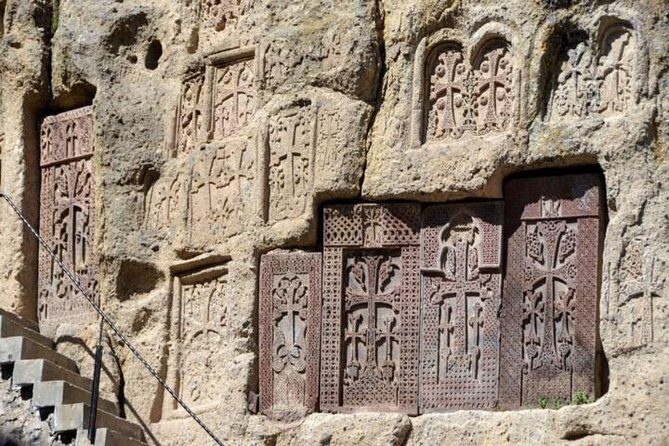
Geghard is described as being built in the 4th century by the First Armenian Catholicos, Gregory the Illuminator. It began as Airivank, a cave monastery, then later received the name Geghard, meaning spear. The explanation given for the name is linked to the spear of the Roman soldier who pierced Jesus Christ’s body.
That matters because it gives you a way to read the site beyond the obvious beauty. You can look at the stone, then ask yourself: what kind of belief system would inspire a place like this? Why build in rock? And why would a “spear” story become part of the name?
In a place like Geghard, you don’t just watch history. You feel how the rock shapes devotion. The caves and stone architecture create a natural quiet, and that makes the story easier to take in.
Practical tip: if you’re visiting with a kid, this is a good stop. One family-focused experience I saw included a guide who worked well with children, which suggests Geghard can be handled in a kid-friendly, not lecture-only way.


Garni Gorge: Symphony of Stones and the Weather Rule
Then you get a short nature stop at Garni Gorge for the Symphony of Stones. You’ll have about 20 minutes, and it’s described as towering basalt columns rising from a canyon floor like a stone “arrangement.”
This stop is the most time-efficient part of the tour, which is perfect if you want nature without losing your whole schedule. But it comes with a big planning caveat: in winter, the visit can be cancelled depending on weather conditions.
It’s also listed as not included for the Symphony of Stones entrance ticket. So even if you get there, you may want some cash or a card ready for the site fee.
My advice: when you book, think of this as bonus nature, not guaranteed viewing. If you care a lot about the basalt columns, ask the operator what their usual winter plan is so you can manage expectations.
The Drive: Pickup, Private Vehicle, and Small-Group Comfort
The best part of this tour format is that it respects your energy. You get hotel pickup and drop-off in Yerevan, and transport is by air-conditioned vehicle sized to the number of participants. That matters in Armenia, especially on day trips when weather can shift and you don’t want to spend time wrestling with public transit.
This is also a private experience. Your group only. That helps with pacing. You’re not forced to keep moving at someone else’s speed, and you can ask questions as they come up while you’re looking at monuments.
One practical detail: pickup is arranged for a city center meeting point, and you need to specify the exact location you want picked up. If you’re staying outside the center, make sure you plan how you’ll reach the pickup spot.
If you’re the kind of person who hates awkward logistics, this setup usually feels like a win.
English Commentary and the “Driver-Guide” Advantage
The tour is offered in English, and the experience is set up with a private guide and vehicle for a personalized feel. In at least one private setup, the driver also acted like the on-road explainer. For example, Artur was praised as a great driver and shared lots of Armenia insights. Another experience highlighted Meline as a guide who provided a good amount of information and worked well with a daughter.
So what does that mean for you? Even if your role shifts from guide-led to driver-led interpretation, you’re still likely to get context. And because you’re traveling privately, you can ask follow-up questions right then, instead of waiting for a tour-group moment.
If you care about stories—why Garni looks the way it does, or why Geghard carries a spear name—this is one of the reasons the tour earns high marks.
What the Timing Feels Like (5–6 Hours)
On paper, the tour is about 5–6 hours. In real life, that schedule lands well if you want depth without exhaustion.
A typical flow looks like:
- Charents Arch: quick 20 minutes
- Garni Temple: about 1 hour
- Geghard Monastery: about 1 hour
- Symphony of Stones: about 20 minutes (if weather allows)
That mix is intentional. Two “longer look” stops at major monuments, plus two shorter moments for context and nature. You’re not doing marathon site-hopping.
Dress code is smart casual. You’ll be outdoors for parts of the day, so bring layers if you’re traveling outside summer.
Ticketing, Admissions, and the One Detail to Confirm
From the information provided, these admissions are listed:
- Charents Arch: free
- Geghard Monastery: free
- Garni Temple: appears included in the itinerary but listed under not-included entrance tickets
- Symphony of Stones: not included
That conflict is the only thing that could cause friction. It’s also the type of issue you can prevent in five minutes: confirm what’s included for Garni entrance at booking and/or ask what you’ll pay on-site.
Also, you’ll use a mobile ticket. If your phone is your only ticket method, check that you’ll have signal or that your ticket works offline.
Value for Money: Paying $91 for a Private Heritage Hit
The price is $91.00 per group (up to 3). That’s the big value driver: you’re paying for privacy and transport, not per person.
If you book with two others, your effective cost drops quickly. Even for a couple, you’re often in a sweet spot compared with multiple separate taxis and buying your own tickets plus arranging everything yourself.
What you’re getting for that money:
- hotel pickup and drop-off
- air-conditioned vehicle
- an English experience
- time at major sites with enough duration to enjoy, not just pass through
What you’re not getting:
- food and drinks
- lunch
- potential entrance fees depending on the stop
- Symphony of Stones is conditional and may have an admission fee
So my practical rule: if you want a stress-free day and you can travel with someone to share the group cost, this is strong value.
If you’re traveling solo and you don’t want to rely on the winter cancellation possibility, consider whether you’d rather control everything independently. But if your priority is an efficient “heritage circuit” with minimal hassle, this tour fits.
Who Should Book This Tour
This is a great choice if you:
- want to see Armenia’s top monument cluster around Garni and Geghard in one half-day
- like religious history and cultural context (paganism, Hellenism, then early Christianity)
- prefer private transport and a small group pace
- want someone to connect the dots between what you’re looking at and what it means
It’s also a good fit for families if your guide works well with kids—one experience specifically praised a guide who was great with a daughter.
If you’re very picky about going to Symphony of Stones no matter what, keep in mind it can be cancelled in winter. In other seasons it may work fine, but winter changes the odds.
Book or Skip? My Honest Take
I’d book this tour if you want an efficient, private day trip that explains what you’re seeing and gets you to both Garni and Geghard without the usual logistics headache. The structure is solid, the time at the main sites is long enough, and the setup with English explanation in a small group feels worth the money.
I’d think twice if your travel dates are in winter and Symphony of Stones is a must-do for you. Plan for that stop to be uncertain, and confirm entrance-ticket coverage for Garni so the day stays smooth.
FAQ
How long is the tour?
The tour runs about 5 to 6 hours in total.
How much does it cost?
It’s $91.00 per group, up to 3 people.
Is hotel pickup and drop-off included?
Yes. Hotel pickup and drop-off are included, and you’ll need to mention the exact location in the city center you want to be picked up.
Is the tour offered in English?
Yes, the tour is offered in English.
What stops are included in the itinerary?
You’ll visit Charents Arch (photo stop), Garni Temple, Geghard Monastery, and (if weather allows) the Symphony of Stones at Garni Gorge.
Are entrance tickets included?
Charents Arch and Geghard Monastery are listed as free. The information provided is mixed for Garni entrance tickets, so it’s smart to confirm at booking. Symphony of Stones entrance is listed as not included.
What happens in winter with Symphony of Stones?
The visit to Symphony of Stones can be cancelled depending on weather conditions, especially in winter.
Is food included?
No. Food and drinks, including lunch, are not included.