REVIEW · YEREVAN
Group Tour: Hovhannavank, Saghmosavank, Chocolate House, Aghtsk
Book on Viator →Operated by Hyur Service · Bookable on Viator
Churches and chocolate in one tight loop. In about 5 to 6 hours from Yerevan, you’ll cover Hovhannavank and Saghmosavank’s dramatic canyon setting, then finish with a guided stop at Ashtarak’s chocolate production and tasting, all run in a friendly, first-timer-friendly way. The price covers the essentials, so you can focus on the sights, not your wallet.
I like two things a lot. First, entrance fees are included, so there’s no surprise add-on as you hop from one site to the next. Second, the tour is set up to keep you comfortable and fueled: bottled water, pastries, snacks, and even WiFi on board, plus an air-conditioned vehicle when the weather turns. With guides such as Marina or Karina (both mentioned in past departures), you often get clear, professional explanations and a good sense of timing.
One drawback to consider: this is a bilingual setup (English and Russian are delivered consecutively), so if your group is split by language, you may lose some time while the guide covers one language before switching to the other.
In This Review
- Key things to know before you go
- Why this Ashtarak route feels like a smart first taste of Armenia
- Meeting at Hyur Service and the flow of the day
- Hovhannavank: John the Baptist, a 5th-century basilica, and carved motifs
- Saghmosavank on the Kasakh canyon edge: scriptorium manuscripts and rebuilding after 1988
- Karmravor Church in Ashtarak: the 7th-century jewel that feels monolithic
- Gourmet Dourme mini chocolate museum: production glass window and tasting
- Aghdzk and the Arshakid mausoleum: Daniel in the lion den and symbolic carvings
- Timing reality: how much you’ll see in 5 to 6 hours
- Bilingual guidance: great for context, sometimes tricky for pacing
- Price and value check: what your $29 buys you
- Who should book this tour, and who should pass
- Should you book this Hovhannavank–Saghmosavank–Chocolate–Aghtsk tour?
Key things to know before you go
- Entrance fees included across all the main stops, so budgeting is easy.
- Snacks, pastries, and bottled water come with the ride, not just the sites.
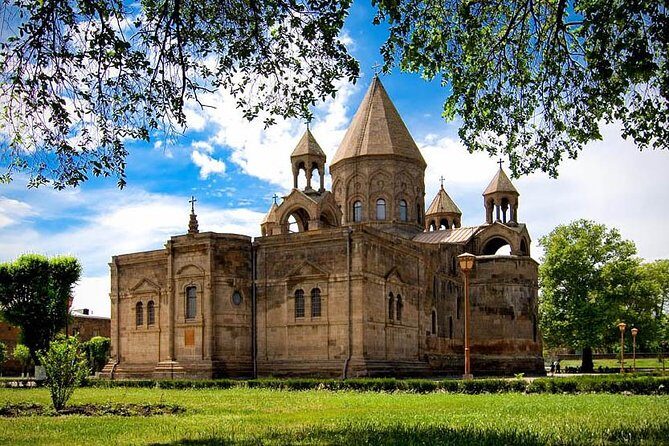
- A strong church-and-monastery route focused on Armenian Apostolic heritage and local building history.
- Saghmosavank’s scriptorium angle and its post-1988 earthquake reconstruction are a big part of the story.
- Ashtarak chocolate experience with production viewing through a transparent window and a tasting.
- Small group size (up to 18), which helps keep the day moving.
Why this Ashtarak route feels like a smart first taste of Armenia
This isn’t the kind of tour that throws a dozen stops at you. It’s a tighter route designed for an “I want to understand what I’m seeing” day. You start in Yerevan, then head out to the Ashtarak area for a mix of monasteries, churches, and a chocolate museum stop that actually ties into Armenian everyday culture, not just tourism.
The best value here is the pairing. Armenia’s church architecture can feel abstract if you only look at stone. With a guide talking you through what you’re seeing, the details start to make sense: older basilicas, later additions under local patrons, manuscript work, earthquake scars, and the way symbolism shows up on walls.
If you’re new to Armenia, this tour gives you a clean introduction: how to read Armenian religious sites, where to look for carvings and plans, and how the region’s history connects from one stop to the next.
You can also read our reviews of more tours and experiences in Yerevan.
Meeting at Hyur Service and the flow of the day
You meet at Hyur Service at 96 Nalbandyan poxoc in Yerevan. The start time is 10:00 am, and the tour runs about 5 to 6 hours total. There’s a short check-in period at the meeting point, so build in a little extra time to get there smoothly.
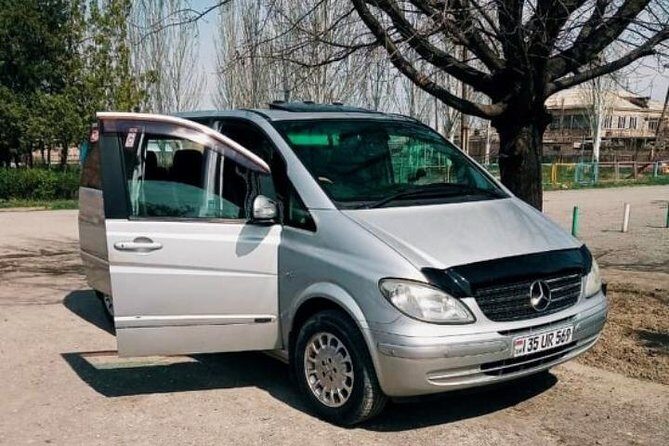
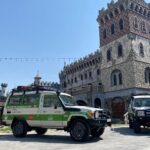
Transportation is handled in an air-conditioned vehicle, and you also get WiFi onboard. That matters more than you’d think when you’re bouncing between sites for several hours. You can keep your plans straight, look up what you want to photograph next, and avoid that post-drive stress.
A practical note: seats aren’t assigned in advance. If you get motion-sensitive or you really want the best viewing angle, arrive a few minutes early and pick your spot fast when the group boards.
Hovhannavank: John the Baptist, a 5th-century basilica, and carved motifs
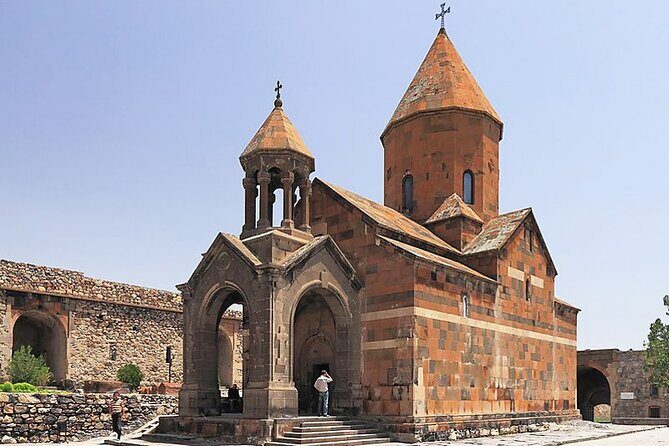
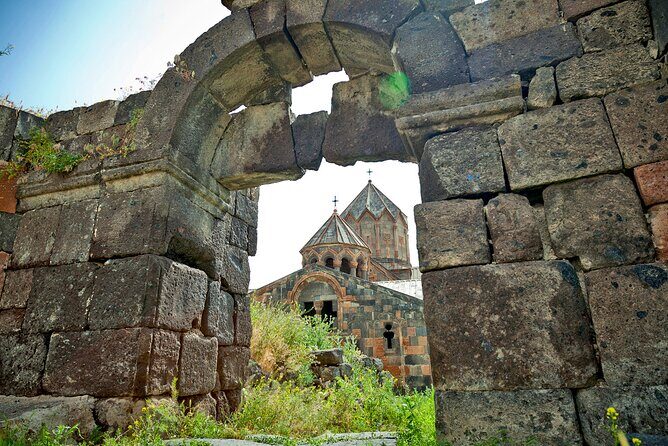
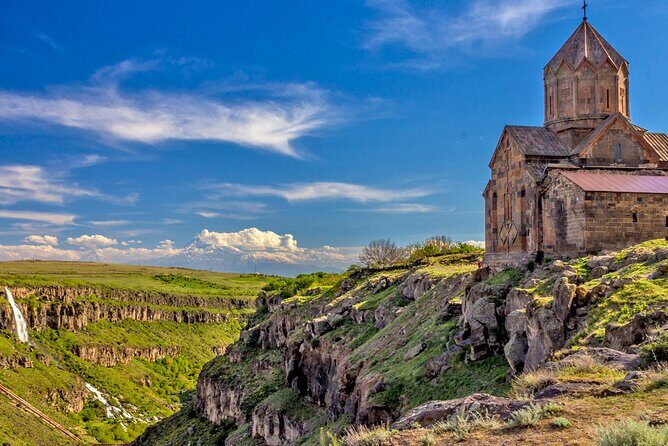
Your first real site stop is Hovhannavank. The monastery is named for John the Baptist, and it’s the kind of place where “old” isn’t a vague word. The oldest church here is a one-naved basilica from the 5th century. Then, in the 13th century, new structures were added under the patronage of local Vachutian dukes.
What you should focus on during your time there:
- The shift from the early church core to later additions. Even if you’re not an architecture person, you can usually spot the different phases by how the structures sit together.
- The main church portal, which is described as being decorated with evangelical motifs. This is the moment to slow down and look closely—portals like this are where religious art turns into storytelling.
You’ll have about 40 minutes here. That’s enough time to get oriented, take a few steady photos, and still hear the key explanation without rushing.
Saghmosavank on the Kasakh canyon edge: scriptorium manuscripts and rebuilding after 1988
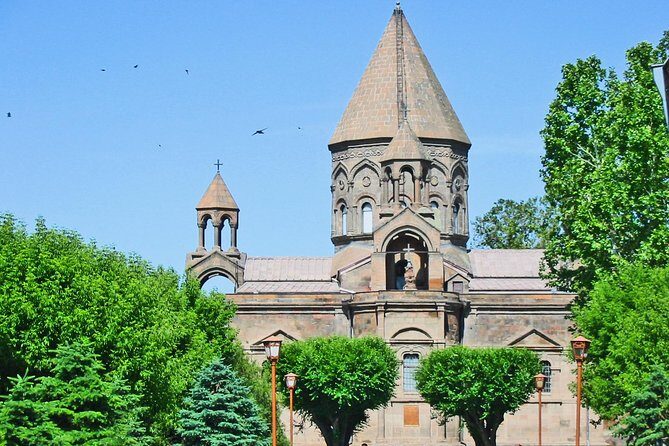
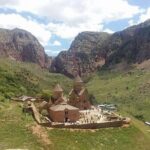
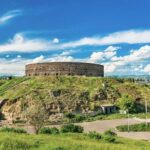
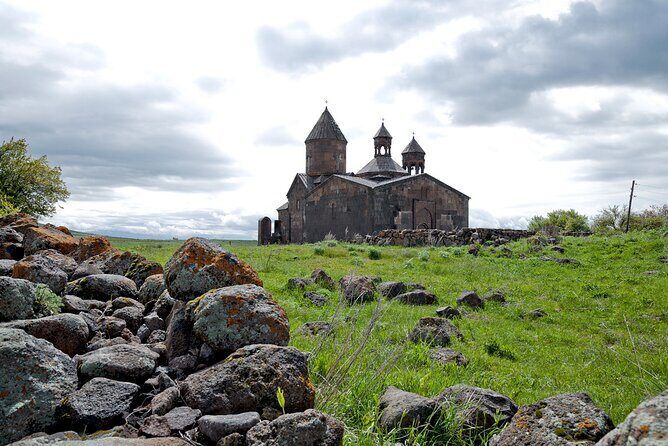
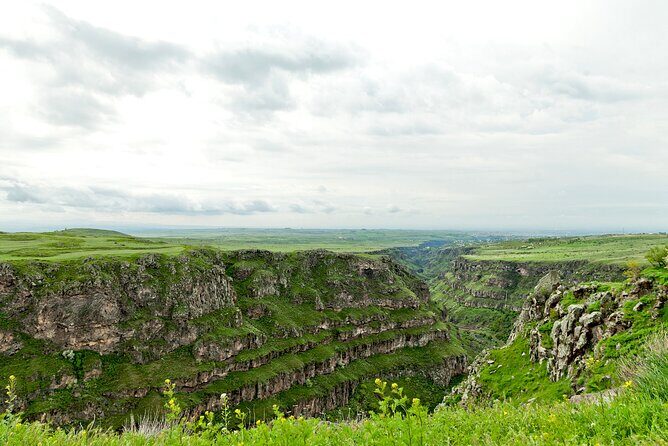
Next comes Saghmosavank, about 5 km from Hovhannavank and set on the edge of the Kasakh River canyon. That canyon location matters because it adds drama and scale. The buildings don’t sit in a flat, forgettable setting—they feel placed in the real geography of the area.
Historically, Saghmosavank is tied to the 13th-century Vachutian dukes. The main church sits adjacent to the scriptorium, a space where manuscripts were produced over centuries. If you’re the type who likes to picture medieval learning happening in real rooms, this is a strong stop. You’re not just looking at a church; you’re standing near where text work happened.
There’s also a modern chapter. Saghmosavank was hit hard by the 1988 earthquake, and reconstruction finished in 2000. That means you’ll see a site that carries both history and recovery—stone that was damaged, then rebuilt to return its earlier form.
You’ll get about 40 minutes. Use that time to look beyond the main church. If the guide points out details of the scriptorium area, don’t let your eyes glaze over—those are the kinds of features that make this stop memorable later.
Karmravor Church in Ashtarak: the 7th-century jewel that feels monolithic
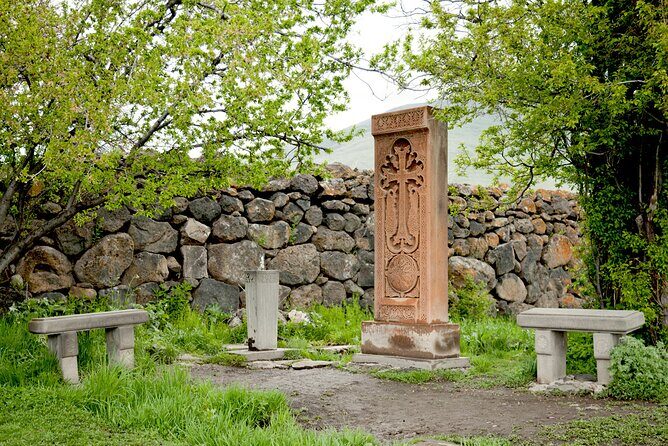
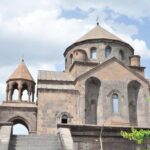
Karmravor Church is brief but special. It’s often described as the jewel of Ashtarak, with a look that resembles a monolith pillar. Part of the effect comes from its small size and smart architectural choices.
Built in the 7th century, it has come down to today almost intact, so it’s a real “you are looking at something close to original” kind of experience. The church also has a cross-shaped ground plan, both inside and out. That’s the kind of detail that’s easier to appreciate when someone tells you what shape you’re looking for—so don’t skip the guide’s explanation here.
Timing is about 15 minutes, so treat it like a focused stop:
- Get photos quickly.
- Then give yourself a second pass to understand the cross-shaped layout.
If you only do one thing, do the second pass. It turns 15 minutes into a payoff.
Gourmet Dourme mini chocolate museum: production glass window and tasting
Now for the fun pivot: Ashtarak’s Gourmet Dourme mini chocolate museum.
This Armenian chocolate brand was founded in 2007 by Pierre and Diran Bagdadians, two brothers from France and Austria. The name combines Armenian and French roots: gourmet as an epicure idea, and dourme as the chocolate side of the word.
The tour portion runs about 30–40 minutes. You watch the production process from behind a transparent window, then you get a chocolate tasting afterward. There’s also an audio version covering chocolate history and the stages of making, which is handy if you’d rather absorb the story while you watch.
If you like gifts, this stop can also serve as a practical souvenir. There are shops in Yerevan where you can find regular, gift, and even personalized options.
This is one of those experiences that doesn’t require prior interest in chocolate. Even if you mostly came for churches, it’s a nice, low-effort reset that feels genuinely local.
Aghdzk and the Arshakid mausoleum: Daniel in the lion den and symbolic carvings
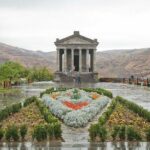
The final major history stop is Aghtsk (Aghdzk), where you’ll find the Arshakid kings’ mausoleum. It’s in the Aragatsotn region, in a small village setting, and the story here mixes layers: the remains of both pagan and Christian kings are said to have been placed there.
The mausoleum is a small, rectangular hall with decorative and thematic elements that are worth your attention because they show how symbols can shift over time. The northern wall includes a relief of Daniel in the lion den. You’ll also see ornaments and symbolic carvings tied to both pre-Christian ideas and Christian art.
Right next to the mausoleum, there are ruins of a 4th-century church, which adds another depth layer: it’s not one era carved into place, but several.
You’ll have about 30 minutes. This stop rewards slow looking. If you’re rushed, you’ll miss the symbolic connections that make it more than a quick photo wall.
Timing reality: how much you’ll see in 5 to 6 hours
This day is built around short, efficient blocks:
- A short 15-minute segment at the meeting point.
- About 40 minutes at Hovhannavank.
- About 40 minutes at Saghmosavank.
- About 15 minutes at Karmravor Church.
- About 35 minutes at the chocolate museum experience.
- About 30 minutes at Aghdzk.
That’s a lot of variety in one outing, and it moves because it’s designed for a group. The upside is you don’t spend all day in transit. The downside is you don’t get a long, empty “wander time” at each site.
You also don’t get a dedicated lunch stop included. You’ll have snacks and beverages, plus pastries and bottled water, which helps. Still, if you know you get hungry fast, plan to eat a proper meal before you go, or keep a small snack stash of your own just in case.
Bilingual guidance: great for context, sometimes tricky for pacing
The guide delivers information in English and Russian consecutively, and that’s a real plus for making sure more people can follow. It can also be a small drag on pacing if your language group has to wait.
Here’s how to make it work for you: when you hear your language, pay extra attention and take notes mentally. Then, while the other language is being spoken, use that moment to read carvings, check the church plan orientation, or just reset your eyes for the next stop. It turns the waiting into useful observation.
If you prefer a quieter, strictly solo pace, you may find this style less ideal than an English-only small-group option.
Price and value check: what your $29 buys you
At $29 per person, the value comes from how much is included, not from how long the trip is.
You get:
- Admission tickets to the stops that require them
- Professional guide (English + Russian consecutively)
- Air-conditioned transport
- Bottled water & pastries, plus snacks and beverages
- WiFi in the vehicle
- Vehicle & passengers insurance
- A mobile ticket
What’s not included:
- Lunch
- Hotel pickup and drop-off
So the math is simple. You’re paying for a guided introduction plus transport and the paid entry part of the day. If you were to do these sites on your own, you’d spend money on tickets, time coordinating, and transport anyway. The only real caveat is that lunch and a longer day aren’t part of this setup.
Who should book this tour, and who should pass
This tour is a great fit for you if:
- You’re visiting Armenia for the first time and want a fast way to understand church history.
- You like religious sites with clear explanations of what’s older, what was rebuilt, and what symbolism means.
- You want something fun at the end that’s not just shopping.
- You prefer small groups and a structured day.
You might want to look for something else if:
- You hate any wait time for bilingual pacing.
- You need long free time at each stop.
- You want a full-day with lunch baked in.
Should you book this Hovhannavank–Saghmosavank–Chocolate–Aghtsk tour?
If you want a compact, well-priced route that mixes Armenian Apostolic architecture with a real tasting experience, I’d say yes. The combination of included entrance fees and the way the day is structured makes it a low-risk way to get your bearings in the Ashtarak region. Just go in expecting a bilingual rhythm and a schedule that’s efficient, not slow.
If that sounds like your kind of day, book it and show up early with comfy shoes and a curious mindset.