REVIEW · YEREVAN
Vayots Dzor Areni Wine Route
Book on Viator →Operated by GoArmenia · Bookable on Viator
One day in Vayots Dzor can feel like time travel. You’ll go from 6,000-year-old winemaking evidence in a cave to two different winery tastings, with a dramatic monastery stop in between. It’s a focused route that pairs Armenian wine history with real tastings, not just a drive-by photo stop.
I especially like the private vehicle setup. You start from Yerevan around 10:00 am and spend about 6–8 hours on the go, so you’re not stuck on a long, slow group schedule. I also like that the tour builds in teaching moments: your guide connects what you see at the cave to what you taste at wineries.
One thing to think about: there’s a single reported past issue where the tour didn’t show up as expected. The operator later said they escalated the problem, but I’d still treat this like any important pickup—confirm details the day before and keep an eye on your communication.
In This Review
- Key highlights worth planning for
- Why Vayots Dzor Turns Wine Into a Story
- Getting There From Yerevan: Private Ride and Real Timing
- Trchuneri (Bird) Cave and the Areni Winemaking Clues
- Momik Wines: Vineyard-Linked Tasting With a Guide’s Context
- Noravank Monastery Over the Amaghu River Gorge
- Old Bridge Winery: Second Tasting, Better Comparisons
- Price and Value: What You Get for $192
- Who This Tour Suits Best (and Who Might Want Something Else)
- A Note on Reliability: How One No-Show Impacts Your Plan
- Should You Book the Vayots Dzor Areni Wine Route?
- FAQ
- What time does the tour start?
- How long is the Vayots Dzor Areni Wine Route tour?
- Is transportation private?
- What stops are included during the day?
- Are entrance tickets included?
- What is the cancellation window?
Key highlights worth planning for
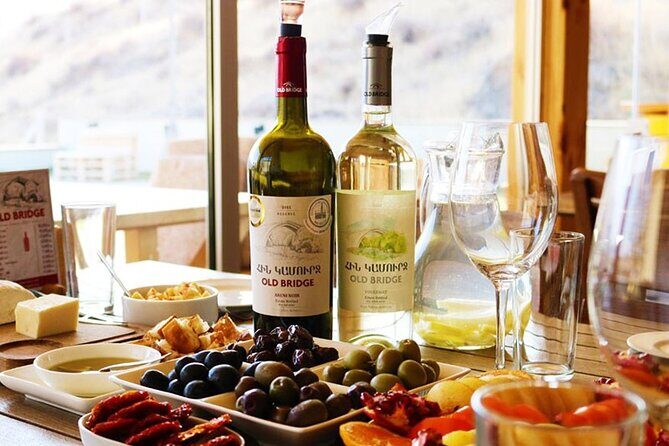
- Areni Cave (Trchuneri/Bird Cave) evidence of ancient winemaking, including a wine press and traces tied to red wine
- Two winery stops with tours and tastings at Momik Wines and Old Bridge Winery
- Noravank Monastery perched above the Amaghu River gorge, built in the 13th century
- Comfort-first transportation in a private vehicle with pickup offered
- Admission value built into the day: cave and winery tickets included, monastery entry free
Why Vayots Dzor Turns Wine Into a Story
Armenian wine isn’t just something you sip—it’s something you can literally hunt for in the ground. This route is built around that idea. You’ll start by seeing the archaeological clues that point to very early winemaking in the Areni area, then you’ll move into modern production through vineyard and winery visits.
The big draw is how the day connects the dots. The cave stop isn’t a generic “wow, underground room” experience. You’re looking at details tied to what scientists concluded about winemaking use about 6,000 years ago, including traces found in the cave context. Then, later, when you’re tasting at Momik Wines and Old Bridge Winery, you can connect the flavors to a place with a long paper trail—and an even longer tradition.
You also get variety in a small radius. That matters because a wine route can turn into a repeat loop: drive, look, taste, leave. Here you get history, production, and scenery in one stretch—so the day feels like more than alcohol tourism.
You can also read our reviews of more wine tours in Yerevan
Getting There From Yerevan: Private Ride and Real Timing
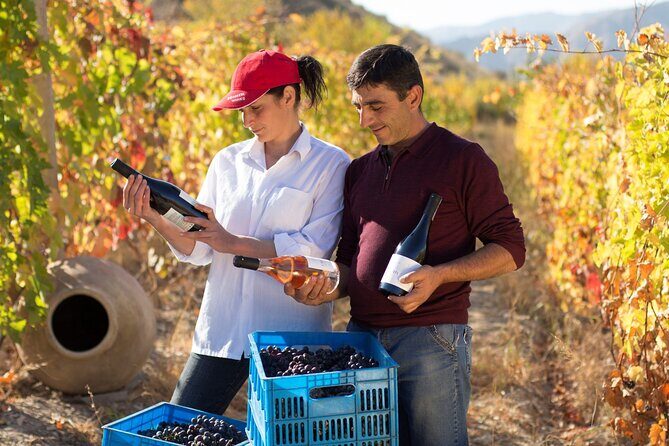
The schedule is designed for a full day without feeling rushed. You meet around 10:00 am, and the overall duration is about 6 to 8 hours. That time window is useful because Vayots Dzor isn’t next door. With a private vehicle, you’re not spending your day negotiating transfers or waiting on other groups.
Pickup is offered, which is one of those small things that can make or break a tour day. When you start with less logistics, you can focus on the stops. You’ll also have a mobile ticket, which is handy if you don’t want to juggle paper.
One practical note: you’ll be in transit between locations, and cave and monastery stops often mean uneven footing. Wear shoes you’re comfortable walking in. Bring layers too—gorges and caves can feel cooler than the city, especially if the weather changes during the day.
Trchuneri (Bird) Cave and the Areni Winemaking Clues

The cave stop is the anchor of the whole day. This region’s caves weren’t always understood as more than places people passed through. Excavations starting in 2007 changed the story.
At this stop, you’ll learn that the Areni Cave complex wasn’t just a “simple cave.” Evidence suggests it was used for religious and economic purposes. In one room, a wine press was discovered. The description matters: there’s a hard area that drains into a jug, which is exactly the kind of functional setup you want when you’re trying to connect the past to an actual process, not just legend.
Even more compelling are the traces found in the cave context: seeds and stems, plus a compound tied to the red wine color. Those clues are part of why researchers concluded the area was used as a winery roughly 6,000 years ago.
This stop is short—about 30 minutes—but it’s one of those “quality beats quantity” moments. It’s enough time to absorb what you’re seeing, then move on without boredom. Just don’t plan to spend ages here. If you want deeper questions, ask your guide at the beginning so you don’t miss the chance when the group is moving.
Momik Wines: Vineyard-Linked Tasting With a Guide’s Context
After the cave, you’ll head into the living side of Armenian wine with Momik Wines. Expect a tour and wine tasting there, lasting about 1 hour, and the admission is included.
What makes this stop valuable isn’t only the tasting itself—it’s the framing. Your guide helps you connect the early winemaking evidence you just heard about to how modern producers work in the region. That turns the tasting into something you can learn from, rather than just sample and forget.
Since the itinerary specifically calls out both a tour and tasting, plan on doing more than standing around. You’ll likely get explanations tied to how grapes are grown and how the winery approaches its wines. Even if you don’t consider yourself a wine expert, this kind of structured visit helps you ask better questions about what you’re tasting.
A practical tip: if you’re the type who likes to compare, pay attention to how the wines are served and what your guide emphasizes. With two winery stops later, small differences can become clearer when you take mental notes right away.
Noravank Monastery Over the Amaghu River Gorge
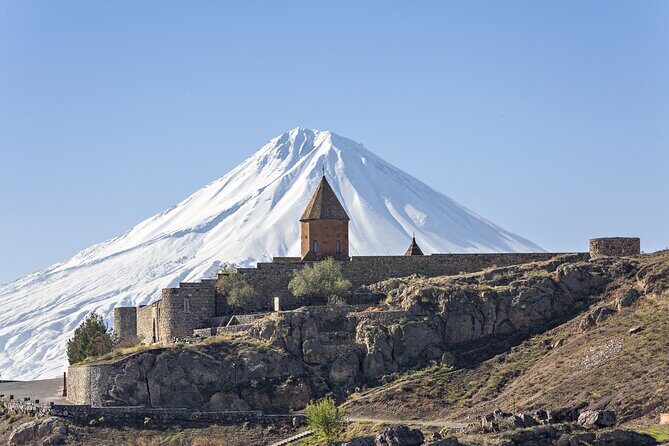
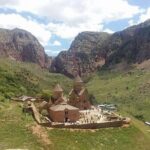
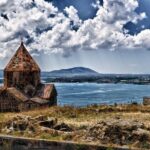
Then the day shifts gears. Noravank Monastery is on the ledge of a narrow, winding gorge above the Amaghu River, near Yeghegnadzor. It’s a 13th-century site, and the setting is part of the point.
Noravank also has a name story. It means New Monastery in Armenian, even though the complex is more than seven centuries old. You’ll also hear it referred to as Amagu Noravank sometimes, to avoid confusion with another Noravank in Goris. That distinction is helpful because it shows how Armenian historical sites can share names, even when they’re not the same place.
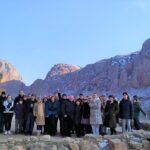
This stop is about 45 minutes, and admission is free. I like this length because it gives you enough time to slow down, look at the church lines against the red cliffs, and take photos without rushing. The drawback is simple: the setting is dramatic, but it can be physically demanding—so go at a steady pace, especially if there’s uneven ground.
You’ll also get a mental break from wine for a bit. That’s not a small thing. A good day of tastings needs pauses where your brain can reset.
Old Bridge Winery: Second Tasting, Better Comparisons
After Noravank, you’ll return to wine mode with Old Bridge Winery. This is another stop with a tour and wine tasting, around 45 minutes, with admission included.
Two winery visits in one day is smart if you like variety. Momik and Old Bridge won’t taste identical, and the differences become clearer after you’ve just seen the historical context in the cave and taken in the scenery at Noravank. In other words, the day sets you up for pattern recognition.
Old Bridge’s shorter time window means you’ll likely focus on a curated set rather than a full deep-dive into production. Still, that can be a benefit. If you want to compare more than you want to sit through long explanations, this stop hits the right tone: learn a bit, taste, move on.
When you’re tasting here, try to recall what stood out earlier. Was there a preference in aroma? A difference in weight on the palate? A shift in how your guide described the grapes? Those comparisons turn two tastings into a mini-education.
Price and Value: What You Get for $192
At $192 per person, this day tour sits in the “reasonable for a private, full-day experience” range, mainly because the tour isn’t only driving and sightseeing. It includes multiple paid experiences: Areni Cave (admission included), Momik Wines (admission included), and Old Bridge Winery (admission included). Noravank Monastery is free.
You’re also paying for comfort and time management. A private vehicle with pickup offered reduces wasted time, and group discounts are available (which can help if you’re booking with others). The day runs roughly 6–8 hours, which is long enough to feel like a real outing, but short enough that you’re not eating up your entire trip.
So where’s the real value? It’s the mix. A lot of wine routes do one winery well and call it a day. This one adds a deep historical anchor in the cave and throws in Noravank for a strong visual and cultural reset. For the money, you’re buying variety plus meaningful context.
If you’re cost-sensitive, consider asking your guide what style of tasting you’re getting and how many wines are typically included. The tour duration suggests a curated tasting approach, but specifics aren’t provided here—so it’s worth checking directly.
Who This Tour Suits Best (and Who Might Want Something Else)
This is a great fit if you:
- want a private day away from Yerevan without stressful logistics
- enjoy wine and wine history, especially Armenian winemaking origins
- like a balanced day: tasting plus a major monument stop
It also works well for couples or small groups who can benefit from pickup and a dedicated schedule. The “only your group” aspect matters if you dislike herd timing and prefer asking your own questions without waiting your turn.
You might want a different type of tour if you’re looking for only casual scenery with no focus on wine. The cave and two wineries mean the day keeps circling back to winemaking. Also, if you’re extremely short on walking ability, the monastery and cave environments can be more challenging than flat city stops. Nothing about accessibility is listed here, so it’s smart to judge based on your comfort level with uneven terrain.
A Note on Reliability: How One No-Show Impacts Your Plan
One past booking report describes a no-show situation and says the tour didn’t run despite payment. The operator responded by saying they escalated the issue with the booking platform. That’s the only negative account provided, but it’s enough to treat the morning like it matters.
Here’s what I’d do to reduce the risk of a ruined day:
- Confirm pickup timing the day before.
- Make sure you know how you’ll receive updates on the morning of departure.
- Have a backup plan for contacting the provider quickly if something feels off.
Most tours run fine—but when your schedule is built around a specific 10:00 am start, a quick confirmation step is worth it.
Should You Book the Vayots Dzor Areni Wine Route?
If you want Armenian wine culture with real context, I’d book this. The day balances ancient evidence in Areni Cave, two winery experiences with tastings, and the standout visual of Noravank. For many people, it’s the kind of route that makes wine feel like a place, not a product.
I’d book especially if you’re the type who likes learning while tasting—because the cave clues and the guide’s explanations turn the stops into a connected story. And because several admissions are included, the price feels more “all-in” than tours where you pay extra at every door.
The only reason to pause is that reliability report. If that sort of uncertainty would stress you out, look for another wine day option or be extra proactive with confirmation. Otherwise, this is a solid way to spend a day in Vayots Dzor—hands-on with history, practical with timing, and scenic enough to keep it from turning into pure drinking.
FAQ
What time does the tour start?
The start time is 10:00 am.
How long is the Vayots Dzor Areni Wine Route tour?
It runs about 6 to 8 hours.
Is transportation private?
Yes, it’s a private tour/activity with your group only, and you travel in a private vehicle. Pickup is offered.
What stops are included during the day?
The day includes T’rchuneri (Bird) Cave (Areni Cave), Momik Wines (tour and wine tasting), Noravank Monastery, and Old Bridge Winery (tour and wine tasting).
Are entrance tickets included?
Admission is included for T’rchuneri (Bird) Cave, Momik Wines, and Old Bridge Winery. Noravank Monastery is listed as free.
What is the cancellation window?
You can cancel for a full refund up to 24 hours before the experience start time.