REVIEW · YEREVAN
Urbex photo tour in Armenia
Book on Viator →Operated by central tour · Bookable on Viator
Armenia has a second life in abandoned buildings. This urbex photo tour pairs big-view sacred stops around Yerevan with timed, photo-first visits to derelict sites where the location stays secret until you’re there, run through Central Tour Armenia with guide Nvard.
I love the all-inclusive feel: 3-star hotel stays, air-conditioned transport, and meals built in so you don’t spend your trip juggling basics. I also like the way the trip is paced for photography, with past participants praising Nvard’s calm energy and strong English, plus coordination with Hanzebeeld.
One thing to consider: the urbex locations aren’t fully spelled out ahead of time, so if you want exact addresses and full certainty before you go, this setup may feel a bit mysterious.
In This Review
- Quick hits
- Why This Armenia Urbex Photo Tour Fits So Many Travelers
- Price and Value: What $2,301.32 Actually Buys You
- Your Day-to-Day Rhythm: Yerevan to the Monasteries (Then the Ruins)
- Day 1 in Yerevan: Settle In Before the Photo Work Starts
- Day 2: Khor Virap, Noravank, and the First Urbex Photo Block
- Khor Virap: Ararat views and the Saint Gregory story
- Noravank: Gorge architecture with dramatic character
- Yeghegnadzor: wine tasting, then abandoned places with a secret address
- Day 3: Selim Pass Caravanserai, Lake Sevan, Haghpat, plus another photo stop
- Vardenyats Pass (Selim Pass) and the Orbelian Caravanserai
- Sevanavank: monastery on the shore of Lake Sevan
- Urbex/photo moment before Haghpat village and monastery
- Haghpat: UNESCO carvings, St. Nishan, and UNESCO-level detail
- Day 4: Sanahin Monastery and the Mikoyan Brothers Museum
- Sanahin: monastery as a learning hub
- Mikoyan Brothers Museum: Soviet politics and aviation history
- Day 5: Vanadzor city energy and a Soviet pioneer-camp phototour
- Day 6: Amberd Fortress at 2,300 meters and Tegher Monastery
- Amberd Fortress: elevation, strategic history, and a church
- Tegher Monastery: 13th-century hilltop stone and khachkars
- Day 7: Garni pagan temple, Symphony of the Stones, and Geghard caves back to Yerevan
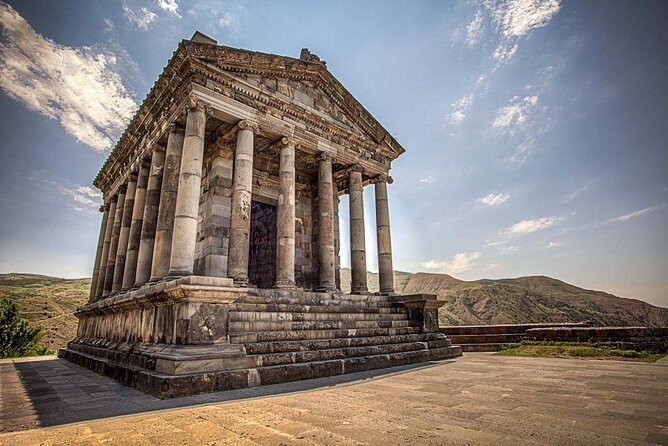
- Garni Temple: pre-Christian symbol turned royal summer house
- Garni Gorge: Symphony of the Stones
- Geghard Monastery: UNESCO caves carved into the rock
- The Urbex Part: How the Secret Locations Change Your Photography Game
- What You’ll Like Most (Based on the Tour’s Strongest Reputation)
- Who Should Book This Tour, and Who Might Not
- Should You Book This Armenia Urbex Photo Tour?
- FAQ
- How long is the Armenia urbex photo tour?
- Where does the tour start?
- What time does the meeting take place?
- Is pickup included?
- What’s included in the price?
- Is dinner included on the first evening?
- Are admission tickets included?
- Will I know the exact urbex locations ahead of time?
- How many people are in the group?
- FAQ
- What is the cancellation policy?
- Are there any rules for who can join?
- Do I get a ticket on my phone?
Quick hits
- Small group cap of 10 so you’re not stuck in a crowd at every stop
- Secret urbex locations that match how urbex sites are usually protected
- Ararat views at Khor Virap paired with monastery stops that are genuinely worth the drive
- UNESCO sites like Haghpat, Sanahin, and Geghard for high-impact culture days
- Soviet pioneer camp phototour for a different kind of abandoned atmosphere
- Hotel and meals included, plus a wine-tasting lunch on the way to the ruins
Why This Armenia Urbex Photo Tour Fits So Many Travelers
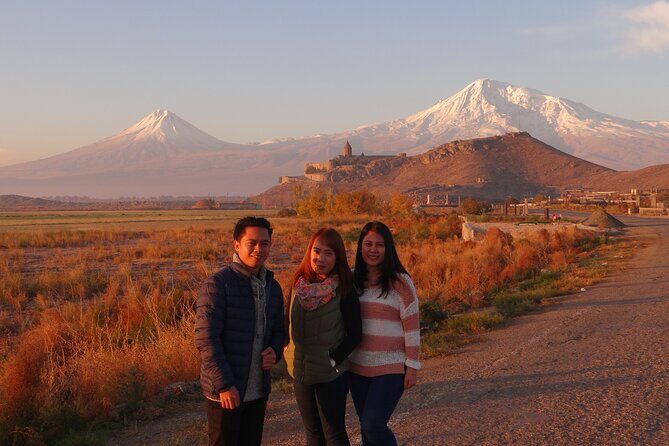
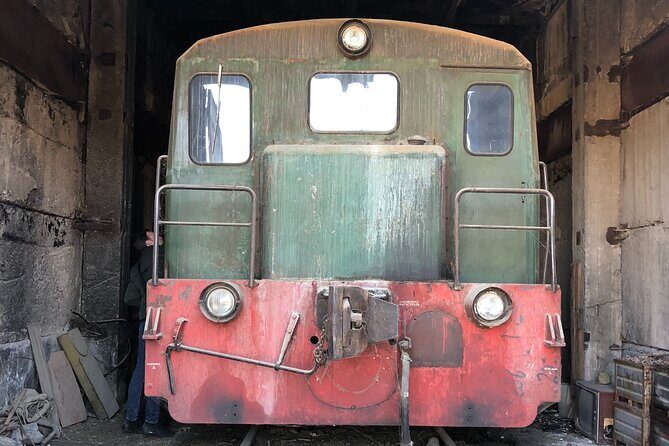
This tour works because it refuses to choose only one side of Armenia. You’ll spend real time on major religious and cultural sites—Khor Virap, Sevanavank, Haghpat, Sanahin, Geghard, Garni—then you’ll swap gears into the urbex/photo mode: abandoned factories, derelict structures, and Soviet-era spaces.
For photography, that mix matters. You get variety in light, textures, and mood. Stone monasteries give you crisp architecture and carved details. Abandoned buildings give you messy geometry, peeling paint, broken windows, and the kind of story your camera can’t ignore.
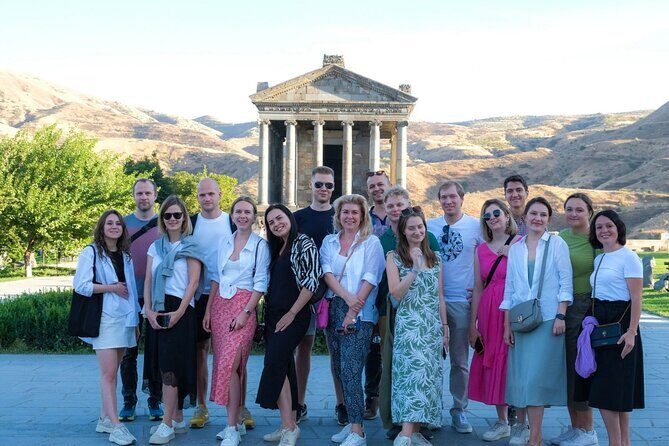
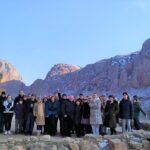
And because it’s capped at a maximum of 10 travelers, you’re less likely to feel rushed through key photo angles. You also tend to get smoother group dynamics when you’re hopping between sacred sites and places that require a bit more attention and caution.
You can also read our reviews of more photography tours in Yerevan

Price and Value: What $2,301.32 Actually Buys You
Let’s talk money straight. At $2,301.32 per person, this isn’t a bargain-basement Armenia plan. The value comes from stacking the right extras together:
- Accommodation in a 3-star hotel for the week
- Meals included: six breakfasts, six lunches, and six dinners
- Air-conditioned vehicle for long drives and day-to-day transfers
- Pickup offered (and a start point at Zvartnots International Airport)
- Group discounts (when they apply), plus a mobile ticket
That’s a lot of friction removed. You’re paying for convenience plus guided access, not just entry to sites. The “photo tour” angle also matters. You’re not simply sightseeing; you’re being brought to abandoned places with the intent to shoot them, and the schedule is built around photography time rather than turning everything into a quick bus stop.
If you already know Armenia well, don’t need meals/hotel handled, and can arrange your own transport easily, you might pay less on your own. But if you want to focus on pictures and let someone else do the logistics, the price starts looking more reasonable.
Your Day-to-Day Rhythm: Yerevan to the Monasteries (Then the Ruins)
The trip starts with meeting at Zvartnots International Airport at 9:00 am, then transferring to a hotel in Yerevan. Day 1 keeps it light: get settled and, if you want, add dinner at a restaurant. (That first evening dinner is optional and not included.)
After that, you’ll feel the pattern: morning or mid-day driving, a monastery or historic highlight, then a later block of either countryside viewpoints or photo time.
This matters for your energy. Many Armenia tours front-load museums and finish early. Here, you’ll often finish later and with a camera in your hands. If you like travel that ends with stories and textures rather than only stamps in your passport, you’ll probably enjoy this rhythm.
Day 1 in Yerevan: Settle In Before the Photo Work Starts
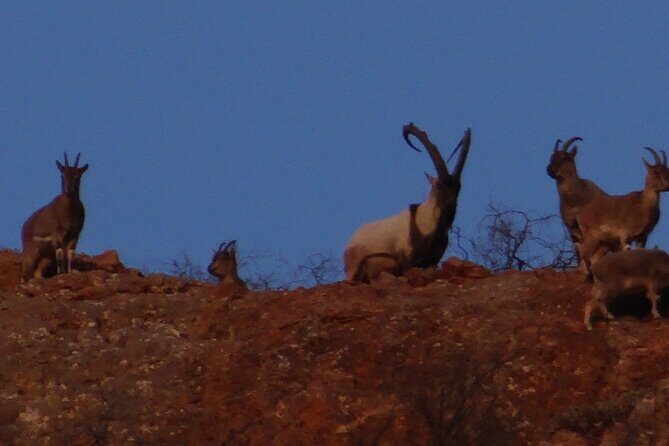
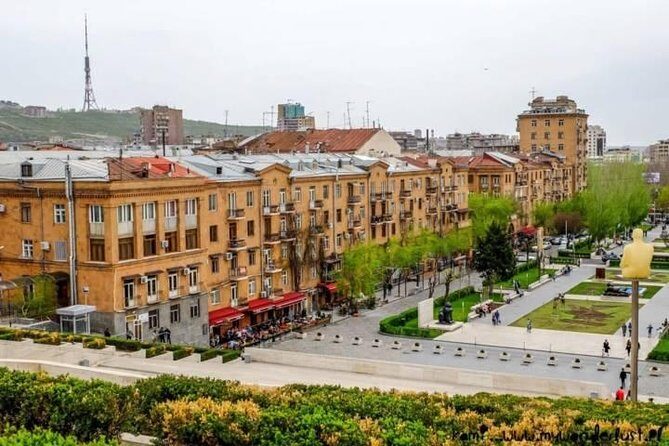
Yerevan is a smart base. You’re starting with an airport meeting, then a hotel transfer, and you have a low-stress evening to adjust.
Why it’s worth it: you don’t lose your first day to logistics. You’re also in the right mental gear for the next morning when you’re heading toward the Ararat plain and the Vayots Dzor region.
If you’re arriving with jet lag, this day gives you a buffer. If you’re fresh, you can use the evening to get your first practice shots of Armenian street life before the tour shifts into more dramatic landscapes and monuments.
Day 2: Khor Virap, Noravank, and the First Urbex Photo Block
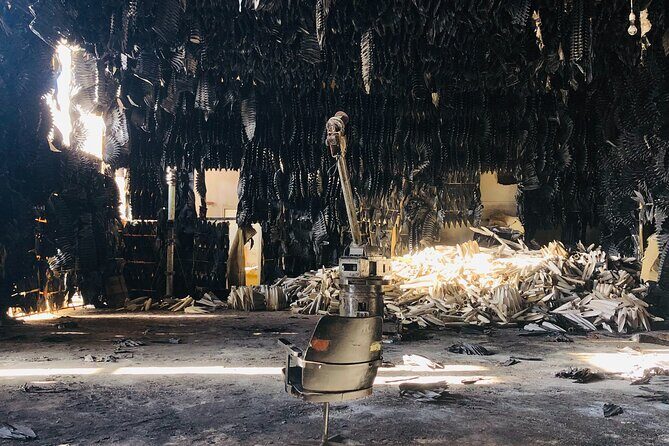
Day 2 is built around two of Armenia’s most powerful monastery experiences, then it pivots hard into urbex photography.
Khor Virap: Ararat views and the Saint Gregory story
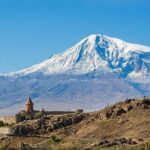
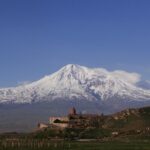
You drive about an hour to Khor Virap Monastery in the Ararat plain. The big draw is the view—Mount Ararat is often in sight—and the spiritual story tied to the Armenian Church. You’ll hear about Saint Gregory the Illuminator and the tradition that he was imprisoned for 13 years, then cured King Tiridates III.
For photos, the timing depends on weather and light, but even without perfect conditions, the site’s framing makes compositions easier: you can build shots that include religious stone foreground plus distant mountain mass.
Noravank: Gorge architecture with dramatic character
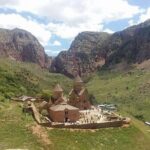
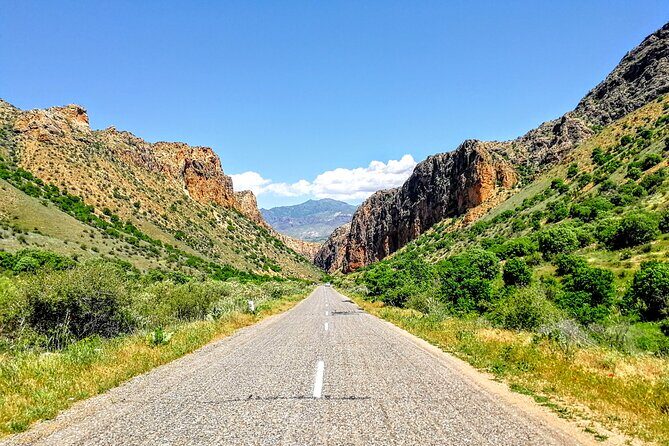
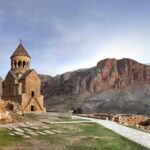
Next is Noravank Monastery in a narrow gorge area in Vayots Dzor. This 13th-century site is known for intricate exterior carvings and decorative motifs.
Noravank often feels more “vertical” than some other monasteries, which helps if you like strong lines. It’s also a good place to train your eye on texture—stone detail becomes the subject when the view is busy.
Yeghegnadzor: wine tasting, then abandoned places with a secret address
Later, you head toward Yeghegnadzor and start your first real urbex-style photo work. You’ll have a lunch in a gastro yard with wine tasting, then you’ll photograph an abandoned building or structure.
Here’s the key detail: the exact location of the urbex site is kept secret to preserve it. That means you should plan to work on the fly. Your guide will take the group to a spot, you shoot, then you move on.
Day 2 also includes a stop for photography at an abandoned factory, after lunch. That mix—derelict building textures followed by a more industrial feel—helps you get variety in your set.
Day 3: Selim Pass Caravanserai, Lake Sevan, Haghpat, plus another photo stop
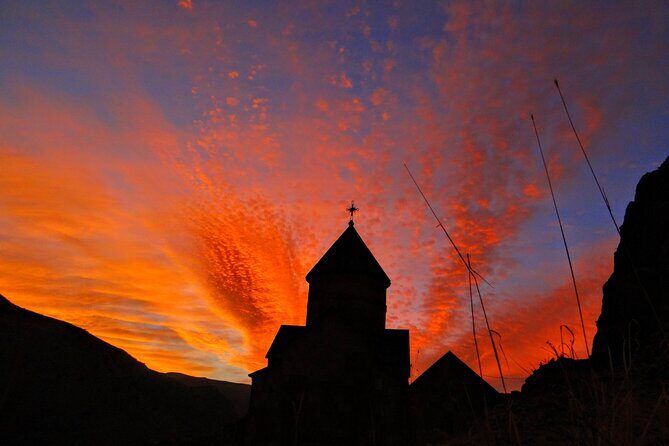
Day 3 is a long day with three major highlights and another urbex/photo window.
Vardenyats Pass (Selim Pass) and the Orbelian Caravanserai
At Vardenyats Pass, you visit the Orbelian Caravanserai, a 14th-century stop on the Silk Road. Think of it as medieval travel infrastructure: a rectangular courtyard, small rooms for traders and animals, plus a chapel and well.
For photography, caravanserais are great because they give you “frames within frames.” Courtyard geometry can anchor a shot, and the surrounding terrain helps add scale.
Sevanavank: monastery on the shore of Lake Sevan
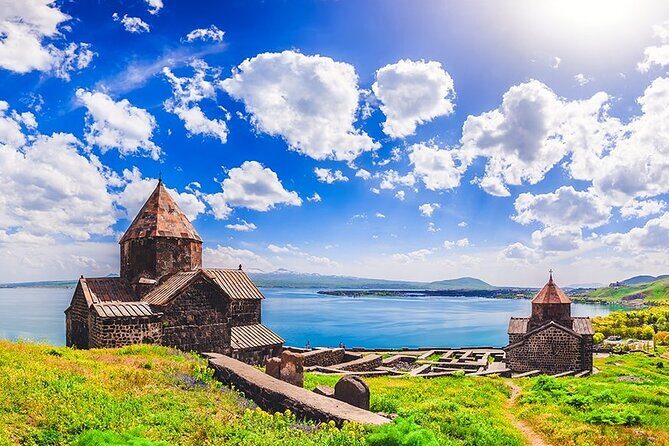
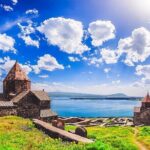
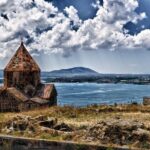
Then comes Sevanavank Monastery, on the northwestern shore of Lake Sevan. Built around the 9th century, it includes two churches, a courtyard, and khachkars (Armenian cross-stones).
This is your tonal reset day. Lake light tends to be flattering, and the monastery setting makes it easier to shoot both wide scenic images and tighter carved detail.
Urbex/photo moment before Haghpat village and monastery
Before you reach Haghpat Monastery, you do another urbex photo tour block for about 45 minutes. Again, these places aren’t about museum cleanliness. Your camera will do more “story” work here.
Haghpat: UNESCO carvings, St. Nishan, and UNESCO-level detail
You then visit Haghpat Monastery in Lori Province, UNESCO-listed since 1996. It’s known for distinctive medieval architecture, including St. Nishan Church with intricate carvings and frescoes. There’s also a bell tower and library.
If you like architecture photography, Haghpat is a reward stop. Carved stone gives you endless micro-subjects, while the monastery complex gives you room for strong wide compositions.
You sleep in the village and have dinner there, which adds to the slower, local feel.
Day 4: Sanahin Monastery and the Mikoyan Brothers Museum
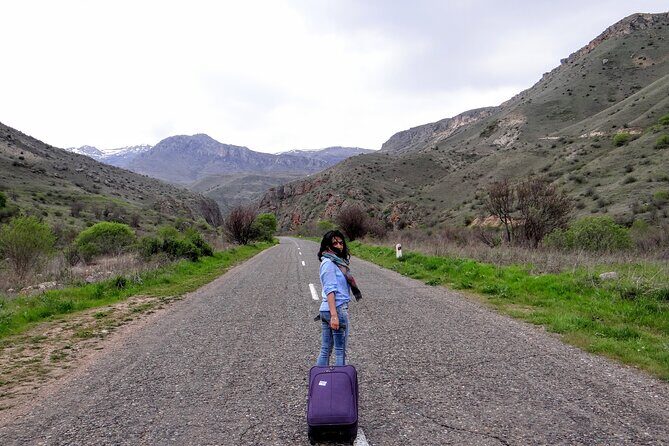
Day 4 keeps the UNESCO streak going, then adds a side trip into Soviet-era Armenia.
Sanahin: monastery as a learning hub
Sanahin Monastery (UNESCO) is a medieval complex founded in the 10th century, built with local tuff stone. Key structures include Surb Astvatsatsin Church, Surb Amenaprkich Church, and the gavit, which served as a meeting hall and vestibule.
The practical photo value: tuff stone surfaces often photograph with a pleasing matte character, especially under soft light. The carvings also reward close inspection, so you can plan for both wide and detail shots.
Mikoyan Brothers Museum: Soviet politics and aviation history
Next is the Mikoyan Brothers Museum in Sanahin village. It focuses on Anastas Mikoyan and Artem Mikoyan, born in the region—plus a collection of personal belongings, photos, and documents. Artem is connected to aircraft design work, and Anastas is tied to Soviet political leadership.
This museum is a nice break from pure religious architecture. It gives your brain new context, and it adds a different kind of historical atmosphere—less stone-and-faith, more people-and-era.
The museum stop is long (about 4 hours), so you can actually absorb it rather than rushing through exhibits.
Day 5: Vanadzor city energy and a Soviet pioneer-camp phototour
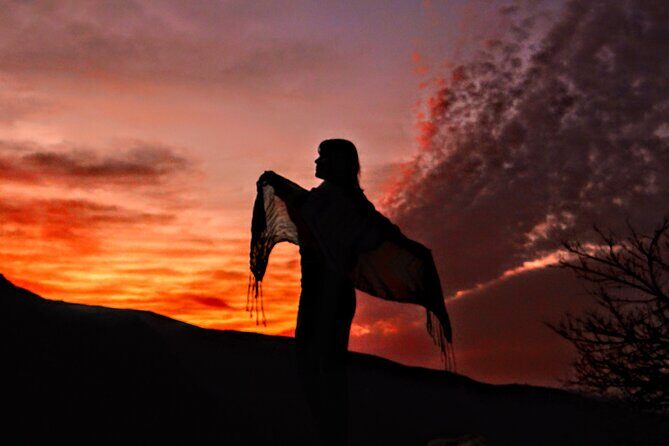
Day 5 starts in Vanadzor, Armenia’s third-largest city, in Lori Province. You’re on the Pambak River, surrounded by the Lesser Caucasus hills, and it’s known for parks and museums.
Then you shift into another photography-focused stop: Soviet pioneer camps. These were summer camps for kids in the Soviet Union, typically ages 9 to 15, located in remote scenic areas, with sports and arts, and a strong emphasis on socialist ideology and patriotism.
Why this matters for your photos: pioneer camps tend to have a different visual language than religious sites or monasteries. You may see dorm-style structures, outdoor activity zones, and the “designed for children” rhythm of space. Even if your photos aren’t strictly “urbex,” the atmosphere fits the theme.
Day 6: Amberd Fortress at 2,300 meters and Tegher Monastery
Day 6 is all about high-elevation drama and then a quieter monastery on a hilltop.
Amberd Fortress: elevation, strategic history, and a church
Amberd Fortress sits around 2,300 meters above sea level in Aragatsotn Province. It dates back to the 7th century, built by Armenian nobleman Vahan Mamikonian and expanded over time. It served as a strategic stronghold during Arab invasions and later conflicts involving Seljuks and Mongols. There’s also a church built in the 11th century.
The photo payoff is obvious: fortress + mountain air often equals crisp views, dramatic silhouettes, and strong “place storytelling.” If you’re shooting architecture, look for how the site sits in relation to the surrounding slopes.
Tegher Monastery: 13th-century hilltop stone and khachkars
Then you visit Tegher Monastery, a 13th-century complex on a hilltop with a church, chapel, and khachkars. It’s damaged in places, but some structures are still well preserved. The site also played a role as a center for education and culture.
This stop can be less visually loud than Amberd, but that’s the point. It’s a good day for slow wandering with your camera, getting shots that rely on stone texture, carving edges, and the way buildings relate to their terrain.
Day 7: Garni pagan temple, Symphony of the Stones, and Geghard caves back to Yerevan
Day 7 brings you to the most “photo-friendly” classics near Yerevan.
Garni Temple: pre-Christian symbol turned royal summer house
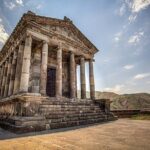
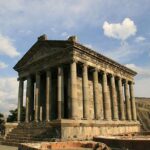
Garni Temple is the pagan temple associated with pre-Christian Armenia. It was later converted into a royal summer house.
This is a useful contrast after the monastery-heavy days. Garni is about a different belief system, and the architecture can photograph with a more direct, monumental feel.
Garni Gorge: Symphony of the Stones
Next is the Symphony of the Stones in Garni Gorge. It’s described as basalt columns arranged like pipes of a musical instrument, producing a sound when struck.
For photographers, that’s an invitation to build your compositions around repeating shapes. Even if you skip the sound part, the pattern gives you a strong visual rhythm.
Geghard Monastery: UNESCO caves carved into the rock
Then comes Geghard Monastery Complex, UNESCO-listed. Some churches are in caves and others are dug from the rock face.
If you want “wow” imagery that looks sculpted by time, Geghard delivers. Shoot for both interior shapes (if accessible during your visit) and exterior relationships with the cliff.
Finally, you’re transferred back to Yerevan to wrap the week.
The Urbex Part: How the Secret Locations Change Your Photography Game
Urbex photography isn’t just about taking pictures of decay. This tour approaches it like a guided shoot-within-a-shoot.
You’ll visit abandoned buildings, an abandoned factory, and multiple urbex/photo sessions where the exact location isn’t shared in advance. That matters. It means you can’t plan “shot lists” based on addresses. Instead, you’ll need to be ready to adapt quickly once you arrive.
Here’s what I’d do if I were packing for this kind of day:
- Bring a flexible lens range so you can go from wide context to tight detail fast.
- Expect lighting changes. Interiors in abandoned spaces can be dark, and exteriors can shift quickly with cloud cover.
- Plan for visual variety. You’ll see different abandoned environments across the week, from industrial textures to Soviet-era camp layouts.
The good news: the tour is designed around photo time, not just quick looks. And the small group size helps you spend more time shooting and less time waiting.
What You’ll Like Most (Based on the Tour’s Strongest Reputation)
This tour tends to earn praise for three practical things: organization, guide personality, and time to shoot.
Guide Nvard comes up again and again in the feedback: people highlight her patience, her strong English, and her mix of serious history knowledge with friendly humor. That combination matters because urbex photography can get awkward if the group feels rushed or confused. A calm, clear guide keeps the day moving without stripping the experience of meaning.
The trip also gets credit for being professionally supervised and well organized. That’s the best kind of “comfort” for urbex travel: less uncertainty, smoother transitions, and fewer moments where you have to improvise the whole plan yourself.
And food is not an afterthought. You’ll have multiple meals included, with restaurant stops and at least one lunch set up with wine tasting—a small upgrade that helps the day feel special instead of purely logistical.
Who Should Book This Tour, and Who Might Not
You should strongly consider booking if:
- You want a mix of big Armenia classics and urbex photography in one week
- You like guided pacing and don’t want to plan transport and site logistics alone
- You’re comfortable shooting in abandoned environments and can handle the fact that some locations stay secret
You might hesitate if:
- You require exact pre-trip addresses for every photo stop
- You want only traditional sightseeing with minimal time in derelict spaces
- You’re looking for a low-cost option. This price buys convenience and structure.
Should You Book This Armenia Urbex Photo Tour?
If your goal is photos and you want Armenia’s landmarks plus real abandoned-space variety, I think this is a smart choice. The included hotel and meals remove daily friction, and the itinerary balances major UNESCO-level architecture with urbex blocks that keep the trip from feeling repetitive.
My advice: book it if you like structure, small groups, and a guide who knows how to keep the day flowing while still giving you time to shoot. Skip it if uncertainty about urbex location upfront would make you anxious or slow you down.
FAQ
How long is the Armenia urbex photo tour?
The tour is listed as about 7 days.
Where does the tour start?
It starts at Zvartnots International Airport in Yerevan, Armenia.
What time does the meeting take place?
The start time is 9:00 am.
Is pickup included?
Pickup is offered.
What’s included in the price?
Accommodation (3-star hotel as per the itinerary), meals as per itinerary, air-conditioned vehicle transport, and dinner (6), lunch (6), and breakfast (6).
Is dinner included on the first evening?
Dinner for the first evening is optional, so it is not included.
Are admission tickets included?
The itinerary notes admission status per stop, with some marked as included and others marked as free.
Will I know the exact urbex locations ahead of time?
No. The exact location of at least one urbex site is not specified in advance to preserve the sites.
How many people are in the group?
The maximum group size is 10 travelers.
FAQ
What is the cancellation policy?
This experience is non-refundable and cannot be changed. If it is canceled due to not meeting the minimum traveler requirement, you’ll be offered a different date/experience or a full refund.
Are there any rules for who can join?
Most travelers can participate, and service animals are allowed.
Do I get a ticket on my phone?
The tour lists a mobile ticket option.