REVIEW · YEREVAN
The Great Beauty of Armenia: 7-Day Culture and Cuisine Tour
Book on Viator →Operated by Barev Armenia Tours · Bookable on Viator
Ararat steals the show every day. This 7-day route pairs big monuments with real museums like the Cafesjian Center for The Arts and the Matenadaran manuscript collection, so you get both wow and depth. I love that it’s not only indoor sightseeing; you also hit caves, waterfalls, and monasteries with serious views. One thing to consider: it runs a full, packed day schedule, so you’ll want comfortable shoes and a realistic pace.
I also like the practical feel of this program in Yerevan. Pickup is arranged so you meet the team with the Barev Armenia sign, then you’re taken to your residence, which cuts down on hassle on day one.
And yes, the food and tastings are part of the point. You’ll do things like brandy tasting in Yerevan and lavash baking in Garni, not just take photos and move on. Just know you’ll be outdoors in some cold or windy moments, depending on the season, so bring layers.
In This Review
- Key things to know before you go
- Yerevan’s Art and Monument Loop at Cafesjian, Victory Park, and Republic Square
- Matenadaran and Echmiadzin: where faith and memory live side by side
- Khor Virap, Bird’s Cave, Areni wine, and Noravank’s red cliffs
- Khndzoresk’s swing bridge, Tatev cable car, Shaki waterfall, and Zorats Karer
- Sevanavank by Lake Sevan, Geghard’s rock-carved monastery, and Garni’s pagan temple plus lavash
- Amberd Fortress and the History Museum of Armenia: the “defense and memory” pairing
- Vernissage Market and final-day shopping for wine, sweets, and souvenirs
- Price, pace, and what value looks like for $750
- Who should book this Armenia 7-day culture and cuisine tour
- Should you book it?
- FAQ
- What is the duration of the tour?
- Where does the tour start and how does pickup work?
- Is this a private tour?
- What tickets are included versus free admissions?
- Does the tour include the cable car to Tatev?
- Are there any stops with views of Mount Ararat?
- What kind of ticket do you receive?
Key things to know before you go
- Private group setup: Only your group participates, which keeps the day flexible.
- Yerevan + countryside balance: You start with city monuments and then move into monasteries, caves, and waterfalls.
- Cable car and big scenic drives: Wings of Tatev is a major highlight, plus long-view stops like Khor Virap and Charents’ Arch.
- Hand-on Armenia moments: Lavash baking in Garni and wine/brandy tastings are built into the route.
- Guides matter here: Reviews repeatedly praise guides by name (Gor, Levon, Varsenik) and drivers like Ashot for smooth timing.
- Packed, but manageable: Many stops are timed well, but you’ll still walk and climb at several sites.
Yerevan’s Art and Monument Loop at Cafesjian, Victory Park, and Republic Square
Your Armenia story starts in Yerevan, and it’s a smart move. Instead of throwing you straight into long drives, this day gets your bearings with public art, major statues, and the city’s iconic center.
At the Cafesjian Center for The Arts, you’ll see contemporary works inside museum halls and in outdoor areas. What I like about this start is that it makes the day feel modern, even when the rest of Armenia is ancient stone. It’s also the kind of place where you can pause when you want, rather than rushing through rooms.
Then you move into monument territory. Victory Park and the Mother Armenia statue give you history plus a big city view. It’s not just sightseeing; it helps explain the mindset behind so many Armenian symbols. Nearby, the statue of David of Sassoun ties you into the Armenian national epic tradition through public sculpture.
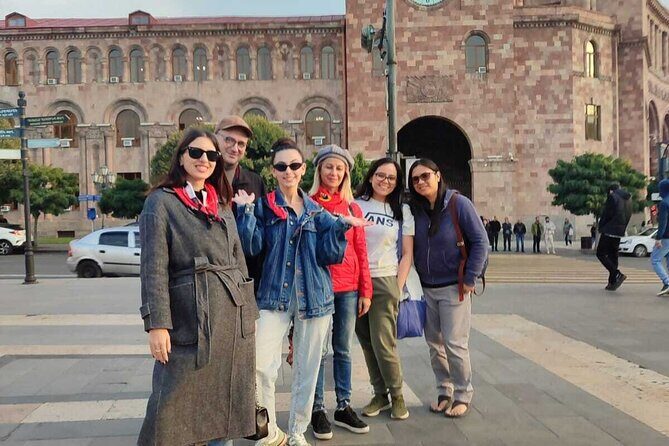
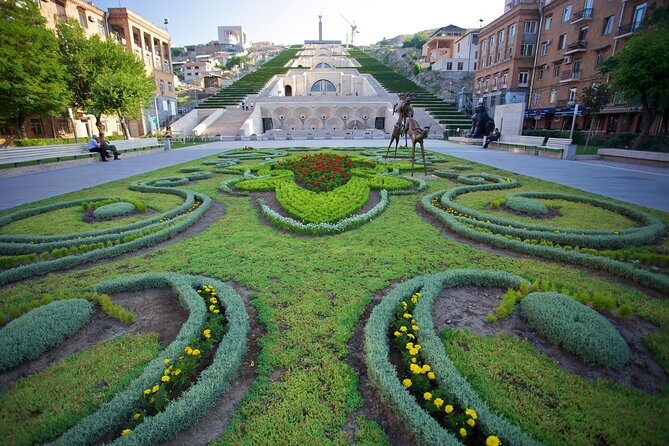
Finally, you land in the heart of the city: Republic Square and its architectural ensemble, with the singing fountains show. I like this closing touch because it’s lively and easy to enjoy after a day that can later feel spiritual and remote. If you’re the type who likes a clean “first day win,” this one delivers.
Possible drawback: Yerevan can be busy, and you’ll likely cover several viewpoints in one stretch. If you hate walking in hot or cold weather, plan on breaks and layer up.
A few more Yerevan tours and experiences worth a look
Matenadaran and Echmiadzin: where faith and memory live side by side
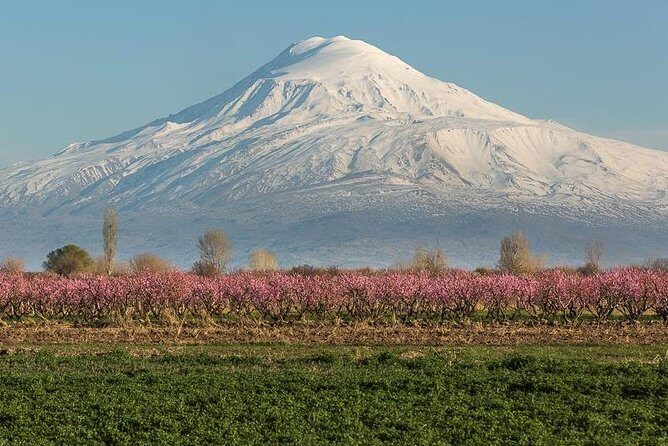
The next day leans deeply into what makes Armenia feel distinct: its manuscripts, its church history, and its preserved sacred architecture. You don’t just see places. You get a sense of why they matter.
First up is Matenadaran, the Museum of Ancient Manuscripts. This is a research institute and museum, and it holds one of the world’s richest medieval manuscript collections. Even if you’re not a “manuscript person,” the sheer concept is striking: books as cultural survival. You’ll see why Armenians treat writing, copy work, and preservation as a form of identity.
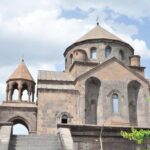
Then you head to Echmiadzin, the spiritual center of Armenia. The focus is the Pontifical Residence of the Catholicos of All Armenians and the 4th-century Echmiadzin Cathedral. The day has a calm, reverent rhythm, and it works well if you like context, not just dates. The cathedral’s age makes everything else in Armenia start to look even older and more layered.
You also visit the Alex and Marie Manoogian Treasury House Museum at Echmiadzin. One of the notable items displayed is the lance believed to have pierced the side of Christ by the Roman soldier. Whether you view it through faith or simply as historic religious heritage, it adds a strong human story element to the museum time.
Next comes Zvartnots Temple, the UNESCO World Heritage site and a masterpiece of early medieval Armenian architecture. This is where the day shifts from religious center to architectural legacy. The result is a strong “then and now” feeling.
And you end in a surprisingly fun, modern way: back in Yerevan at the ARARAT Museum and an Armenian brandy tasting. This is where the tour shows it knows you still need normal, enjoyable breaks, not only heavy monuments.
Possible drawback: This is a lot of sacred-site concentration in one day. If you prefer nature or food over monuments, you may want to keep your energy for the later countryside days.
Khor Virap, Bird’s Cave, Areni wine, and Noravank’s red cliffs
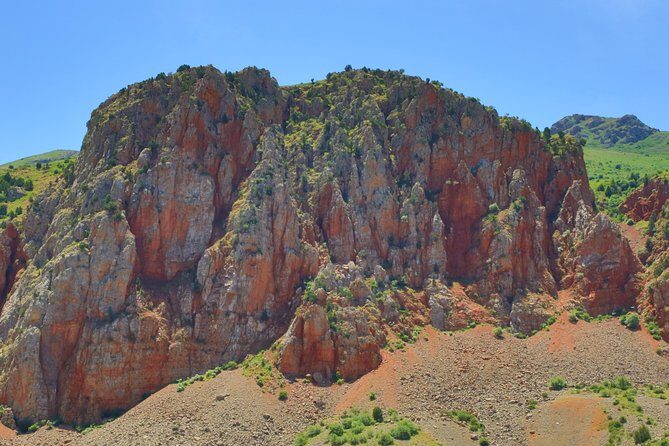
After the heavier day, the route starts giving you dramatic scenery and a few “how is this real?” moments.
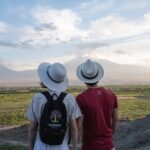
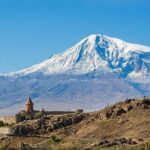
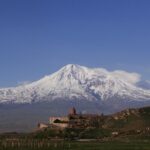
At Khor Virap, you get a classic view setup for Ararat. The monastery offers a famous sightline toward Mount Ararat, and you’ll also learn about the place’s biblical connections. I like starting the day here because your eyes have something big to focus on, and you’re standing somewhere with purpose.
Then comes T’rchuneri (Bird) Cave near Areni. This stop brings archaeology into the mix with findings that range from a very old one-piece leather shoe to evidence connected to a 6000-year-old winery. The area is part of the developing wine story of Armenia, and Areni’s indigenous red wine is tied to the region’s identity.
From there, you taste at an Areni wine factory. This part is valuable because it moves you from facts to flavor. You’ll still enjoy the landscape in the background, but your brain also gets a new reference point for what you’re seeing.
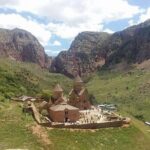
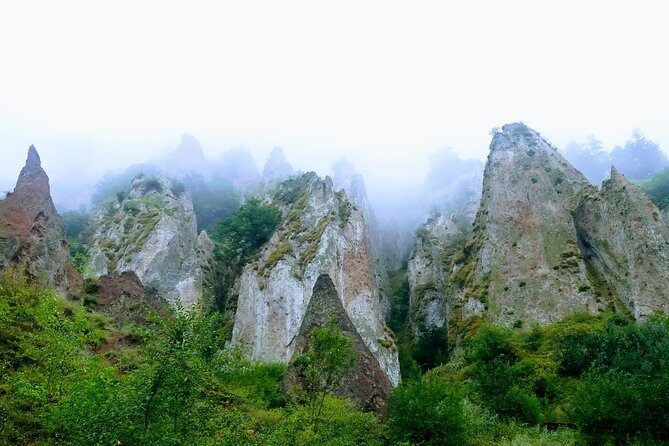
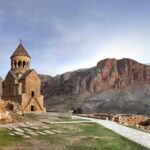
Next you head to Noravank Monastery, a 13th-century complex built into red cliffs. The setting does a lot of work for you; the rock colors frame the architecture and make it feel carved into the earth. It’s the kind of place where photos help, but your own eyes matter more.
The day also includes Jermuk Waterfall and the mineral water Drink Gallery. This is a different side of Armenia: resort town energy, healing-water vibe, and a waterfall stop that breaks up monastery-heavy time.
Possible drawback: This day has more driving time than day one in Yerevan, and some sites are uneven underfoot. Good shoes are not optional.
Khndzoresk’s swing bridge, Tatev cable car, Shaki waterfall, and Zorats Karer
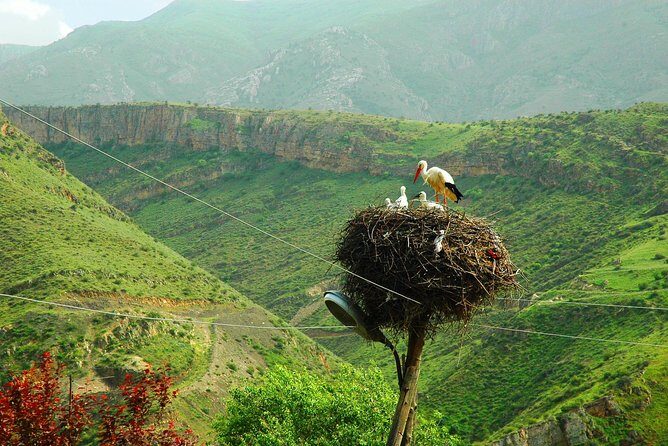
Day four is where the tour leans hard into natural sights and bold, unusual stops. It’s a good sign that the program doesn’t only repeat the same “temple, then temple” pattern.
Khndzoresk is memorable because it’s an uninhabited cave town you reach via a swing bridge. You’re literally crossing to a place that used to be lived in, and it changes the way you look at cliffs and rock shelters.
Then you do Wings of Tatev, a cable car ride from Halidzor village up to Tatev Monastery. The route notes it as the longest cable car in the world, and even if you ignore that fact, the payoff is the height plus the time saved compared with climbing the hard way. Tatev itself is a strong monastery stop, and the whole day becomes a “wide-angle” adventure once you’re up there.
You break the monastery rhythm again at Shaki Waterfall, an 18-meter fall. It’s short and sweet, but water always refreshes the day. If the weather turns, this kind of stop can still feel good because you’re not locked into a long indoor format.
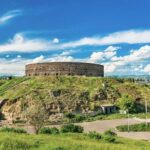
Then comes Zorats Karer, also called Zorats Stones or the Armenian Stonehenge. It’s a metallic installation dating back to the VI millennium B.C., described as an old observatory. This is one of those Armenia stops that can feel weird in a fun way: you’re looking at ancient structure and thinking about how people mapped the sky without telescopes.
Possible drawback: Day four is adventure-heavy. If you’re prone to motion sickness, keep that in mind for roads and the cable car.
Sevanavank by Lake Sevan, Geghard’s rock-carved monastery, and Garni’s pagan temple plus lavash
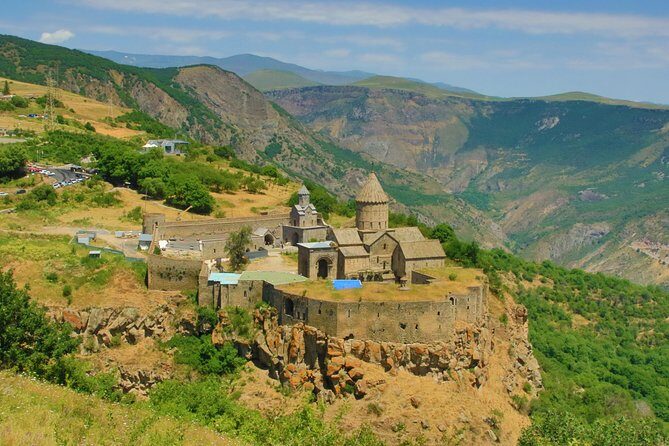
Day five is a “big Armenia mix” day: a famous lake, a UNESCO rock monastery, and a pagan-era temple with a living-food experience.
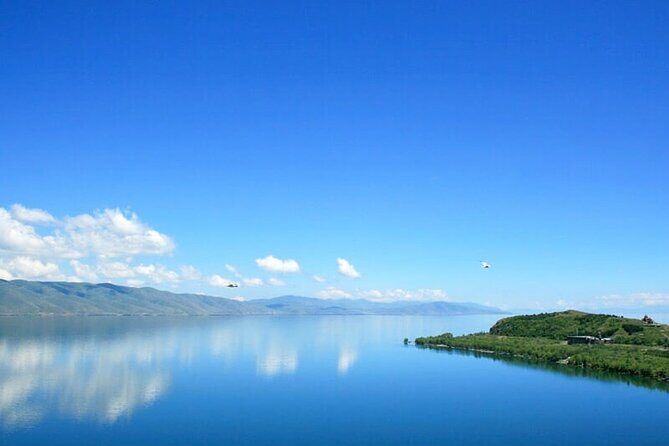
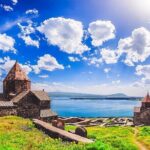
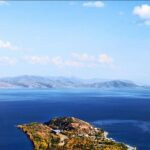
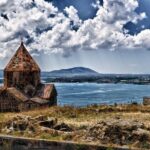
First, you go to Sevan Lake, described as the biggest lake in Caucasus, then to Sevanavank Monastery on the north-west shore. This is scenic without turning into only scenic. Sevanavank gives you monastery context with open-air views, so you can breathe.
Then you stop at Charents’ Arch, a short photo stop aimed at the Ararat view. It’s brief, but it works because you already know Ararat matters now. The day keeps stacking those sightlines.
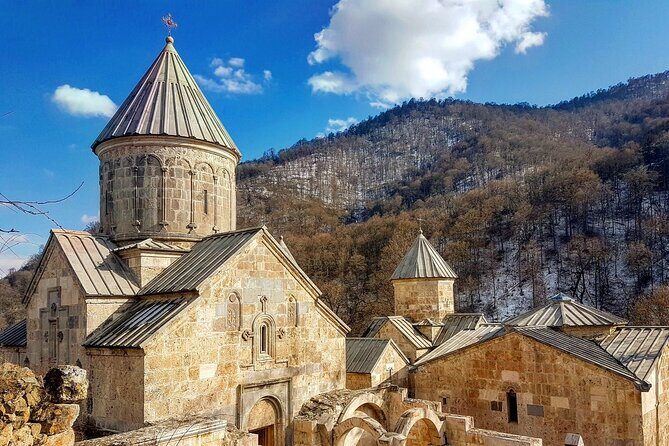
After that, you visit Geghard (Geghard) monastery, a rocky complex from the 12th to 13th centuries and a UNESCO World Heritage site. The rock-carved architecture gives it a serious wow factor. More importantly, it teaches you how Armenian builders shaped sacred spaces out of the land.
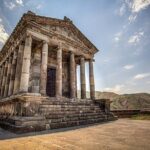
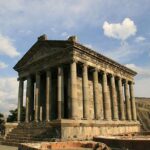
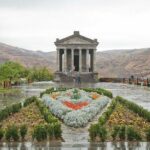
You also do Garni Temple, described as the only restored monument connected to Armenia’s paganism and Hellenism. It’s a different kind of ancient story than the monasteries. You get a sense that Armenia wasn’t always only Christian religious space, and that the layers continued.
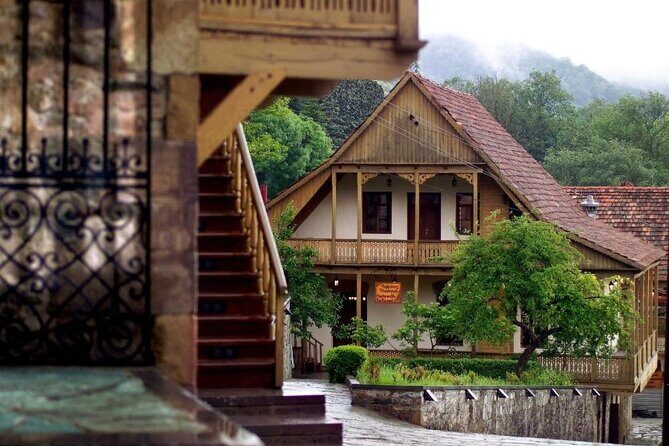
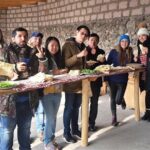
Finally, you get the food hands-on: Armenian traditional lavash baking at a village house in Garni. This is the kind of cultural moment I always look for on trips. You’re not just watching; you’re tasting what “everyday” looks like in an ancient region.
Possible drawback: This is another long day with multiple transitions. If you dislike driving days, you might find day five the most tiring.
Amberd Fortress and the History Museum of Armenia: the “defense and memory” pairing
Day six is a thoughtful shift toward defense, survival, and timeline thinking.
You start at Amberd Fortress, a historical defense complex with a 7th-century castle and an 11th-century church. This place works because it offers both architecture and sweeping mountain views. It’s one of those stops where you understand why people fortified positions: geography did the protection job.
Then you finish in more indoor mode with the History Museum of Armenia. The description is clear: it covers Armenian Highland eras starting from the Paleolithic to the present. This museum time is valuable because it stops you from seeing the trip as separate “sights.” Instead, you start connecting eras into one story.
Possible drawback: If you’re already museum-saturated by day two, this may feel like another lesson. But it’s also a good way to make sense of everything you’ve seen.
Vernissage Market and final-day shopping for wine, sweets, and souvenirs
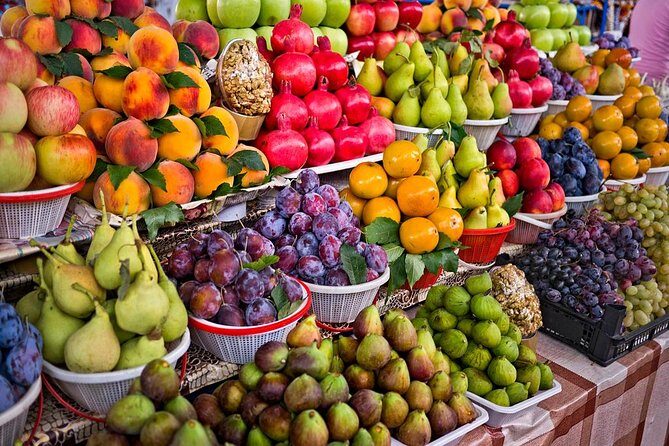
Your last day keeps things light and practical. You’re not racing to another countryside site. You’re in Yerevan with time for shopping at Vernissage Market, plus a visit to Tashir, described as the market of local sweets and dried fruits.
This is where you can pick up items that match your actual trip memories: wines, brandies, dried fruits, sweets, herbs, jewelry, and more. It’s useful because the gifts you bring home feel connected to a place, not just generic tourist products.
I also like having the final day set up this way. After days of monasteries and stone and climbs, your brain gets to breathe while still moving forward with something enjoyable.
Price, pace, and what value looks like for $750
At $750 per person for about 7 days, the big question is: what are you paying for beyond transportation and names on a list?
Here’s what makes the value feel real:
- Private format: only your group participates, which often means less chaos and more room for questions.
- Pickup in Yerevan: you meet with the Barev Armenia sign and get taken to your residence, so day one doesn’t eat time.
- Admissions and experiences bundled: many key stops have admission tickets included, and that adds up fast when you’re visiting multiple museums and major sites.
- Tastings and cultural moments: brandy tasting at ARARAT Museum and lavash baking in Garni add value because they’re experience-based, not just photo ops.
- Guides and coordination: multiple reviews mention guides like Gor (including Gor Karapetyan and the sense-of-humor praise), Levon’s professionalism, and Varsenik’s ability to keep the day smart even when conditions are cold or snowy. A driver like Ashot Sakanyan is mentioned as keeping the route smooth.
Pace wise, the tone is consistent: it’s full days. One review notes a day range from 9:00 to 19:00, and that matches the feel of a route built around long-distance stops and timed sightseeing windows.
If you want a “sit and sip tea all day” vacation, this probably won’t be your style. If you want a week that teaches you Armenia through sights, food, and meaningful stops, it’s a strong fit.
Who should book this Armenia 7-day culture and cuisine tour
This tour makes the most sense if you:
- Want a mix of city and countryside rather than staying in Yerevan only.
- Like monasteries and museums, but also want tastings and hands-on food moments.
- Prefer a guided, structured week where timing is handled for you.
- Enjoy big-view stops like Ararat viewpoints and waterfall breaks.
You might think twice if you:
- Hate long days with lots of short stops.
- Struggle with walking and uneven paths at sites like cave towns and monastery areas.
- Want total flexibility every hour of the day without a set schedule.
Should you book it?
I’d book it if you’re aiming for a one-week introduction to Armenia that’s more than “see a church, take a photo, move on.” The combination of Yerevan’s key monuments, UNESCO sites like Geghard and Zvartnots, dramatic viewpoints like Khor Virap, and the practical Armenia food moments (wine/brandy and lavash) makes the week feel complete.
If you’re unsure, look closely at your comfort with a packed schedule. Wear shoes you can trust, bring layers for weather shifts, and treat the day as an active sightseeing plan rather than a slow stroll.
Also, keep an eye on planning: free cancellation up to 24 hours in advance can give you breathing room if your dates change.
FAQ
What is the duration of the tour?
The tour is 7 days (approx.).
Where does the tour start and how does pickup work?
You meet in Yerevan at any time of day with a sign that says Barev Armenia, and you are taken to your place of residence.
Is this a private tour?
Yes. It’s private, and only your group participates.
What tickets are included versus free admissions?
Some stops include admission tickets, such as Cafesjian Center for The Arts, Republic Square, Matenadaran, Echmiadzin Cathedral, Zvartnots Temple, and the ARARAT Museum, plus Wings of Tatev and Garni with lavash baking. Other stops are listed as free, including Khor Virap, Bird’s Cave, Noratus Cemetery, Sevanavank, Geghard, Amberd Fortress, and Vernissage Market.
Does the tour include the cable car to Tatev?
Yes. The stop at Wings of Tatev (the cable car) is listed with admission ticket included.
Are there any stops with views of Mount Ararat?
Yes. Khor Virap is specifically noted for a magnificent view of biblical Mount Ararat, and Charents’ Arch is listed as a photo stop with the view of Ararat.
What kind of ticket do you receive?
A mobile ticket is offered.